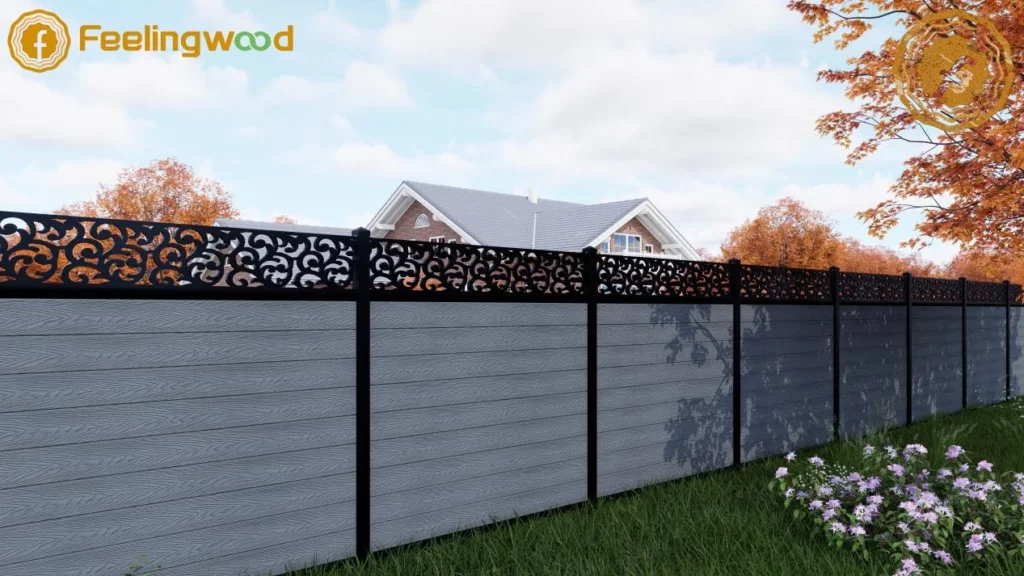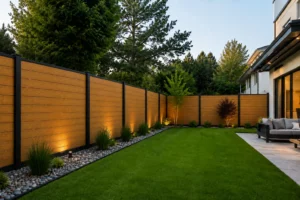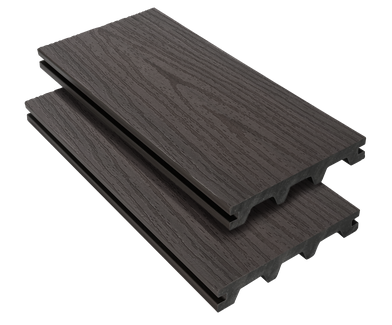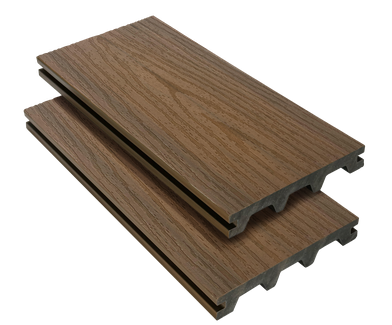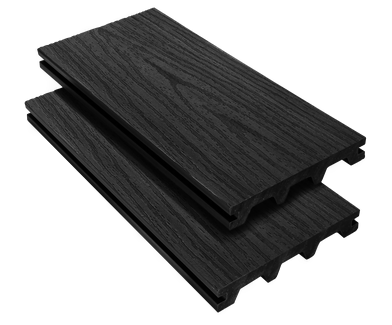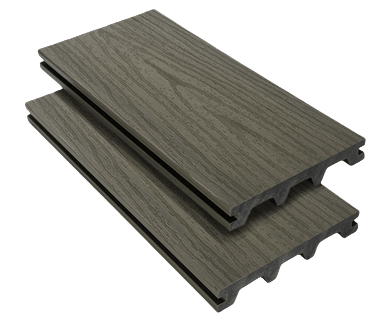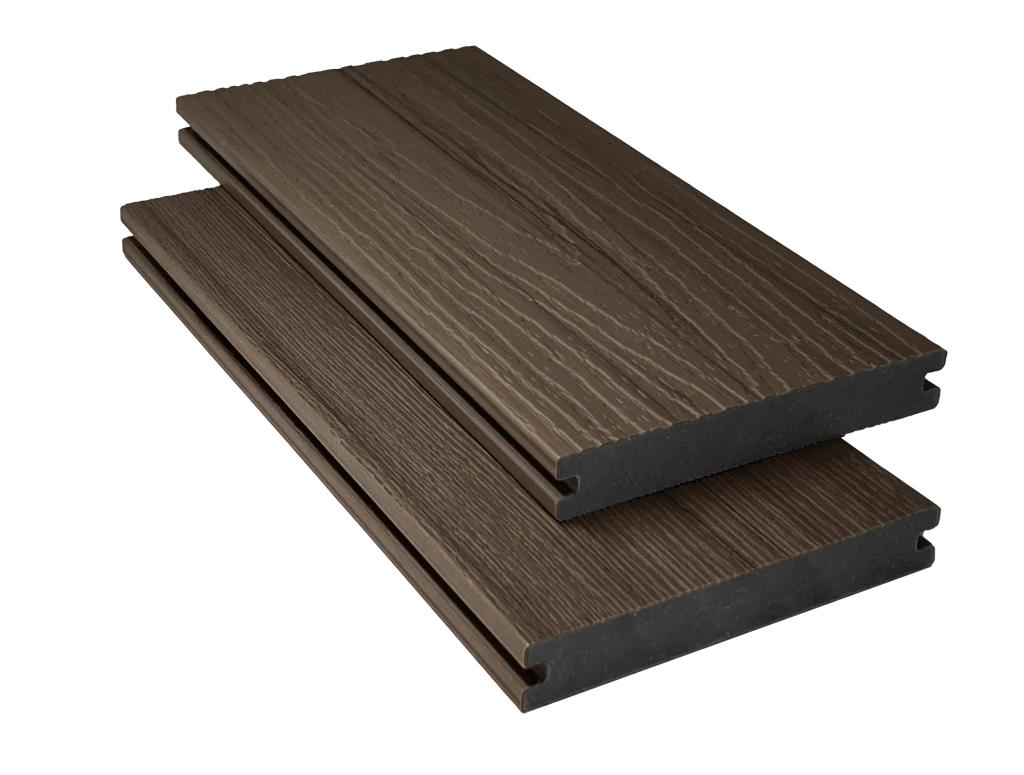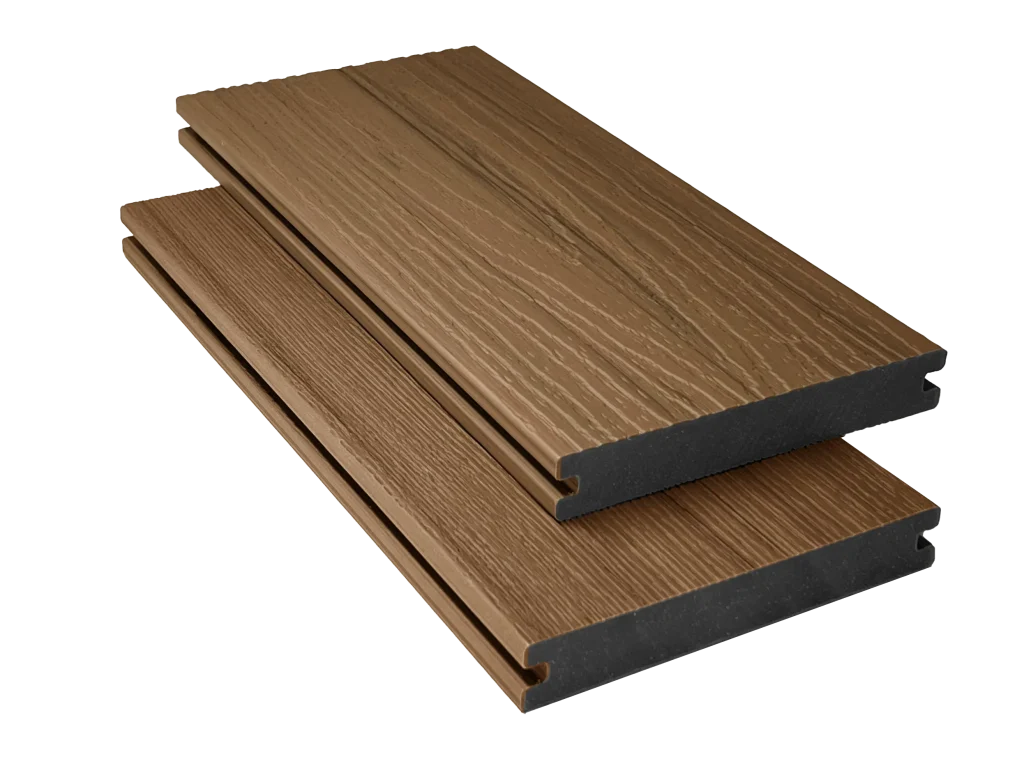
When choosing fencing materials, cost, performance, and longevity play a significant role in your decision. Composite fencing is typically more expensive than traditional wooden fencing, but it offers several advantages. While your budget will influence your choice, investing in high-quality fencing brings long-term benefits.
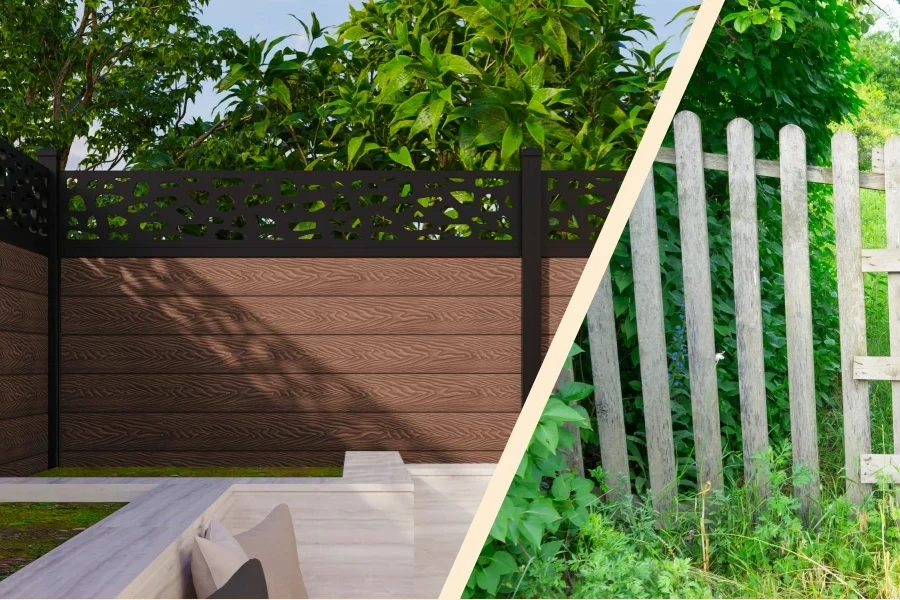
Composite fencing is made from a blend of recycled wood fibers and plastic, making it durable, low-maintenance, and resistant to rot and mold. Compared to timber, composite fences require less upkeep and offer superior weather resistance, especially in regions with harsh weather conditions. Understanding the cost differences and benefits can help you choose the best material for your needs.
The Difference Between Composite and Wooden Fence Boards
The primary difference between wooden and composite fence boards lies in their material composition. Wooden boards can be made from softwood, which is less durable and more affordable, or hardwood, which is more durable but more expensive. Composite fencing, on the other hand, is a synthetic material made from a blend of wood fibers and plastic. This combination results in a product that is more durable, low-maintenance, and weather-resistant than traditional timber. Feelingwood’s composite fencing uses reclaimed wood fibers and recycled plastics, offering a sustainable option that is both long-lasting and aesthetically pleasing.
The Cost of Composite Fencing vs Traditional Timber Fencing
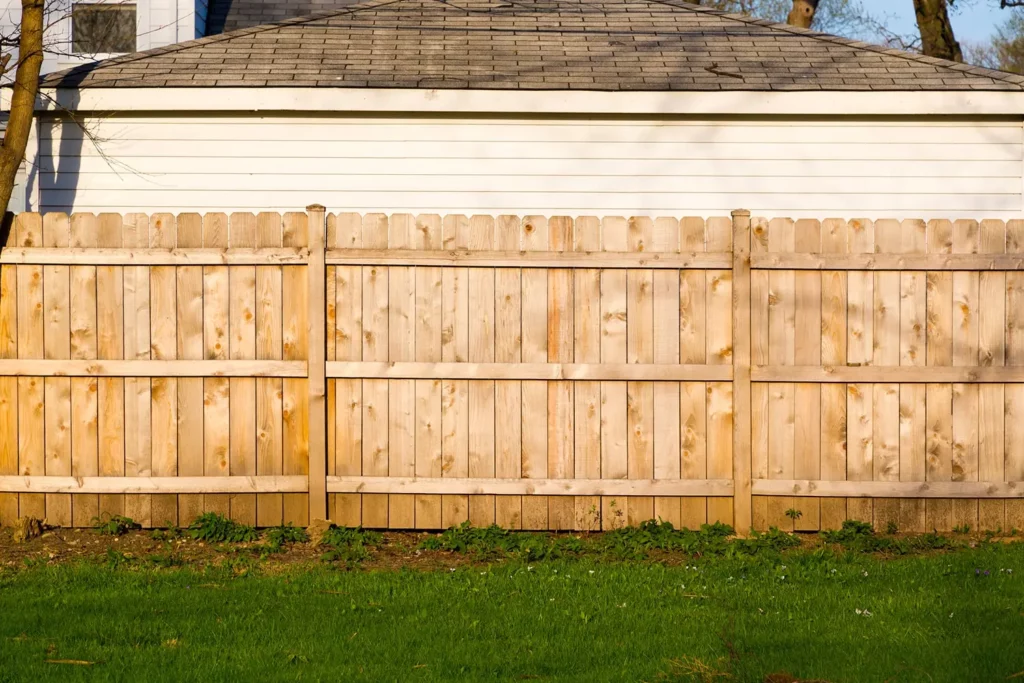
When comparing the cost of composite fencing to traditional timber fencing, the initial investment for composite is higher. For instance, Feelingwood’s composite fence boards are priced at $19.78 per board, while softwood fence boards may cost as little as $3.00 each. However, the upfront cost should be weighed against the long-term benefits. Composite fences are more durable, require less maintenance, and last significantly longer than wood fences. While wooden fences may need frequent painting or treatment to prevent rot and insect damage, composite fences are virtually maintenance-free and come with warranties that guarantee their longevity.
Composite and Wooden Fencing Compared
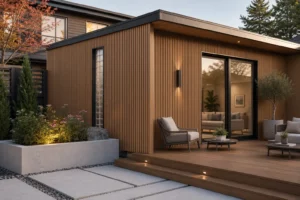
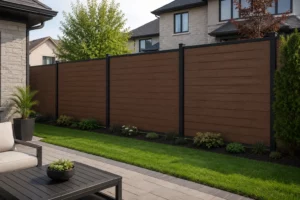
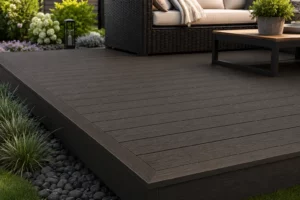
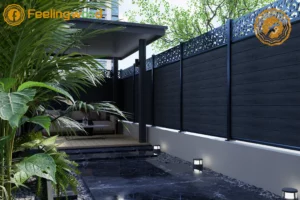
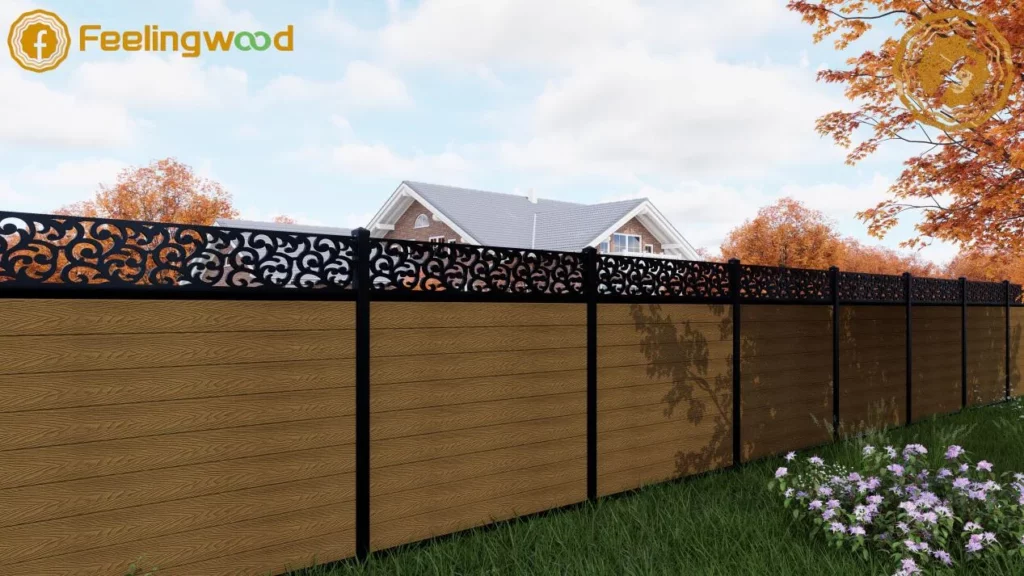
When deciding between composite and wooden fences, it’s important to consider factors beyond just cost. While wooden fences may be more affordable upfront, composite fences provide superior performance in terms of durability, appearance, and maintenance. Composite fences are highly resistant to rot, mold, and insects, making them an ideal choice for areas with frequent rain or high humidity. Additionally, composite fencing offers a modern, clean aesthetic that complements other outdoor products like decking and cladding. With a range of colors and dual-sided boards, composite fencing gives you more flexibility in design and a long-lasting, low-maintenance solution.
Durability and Lifespan
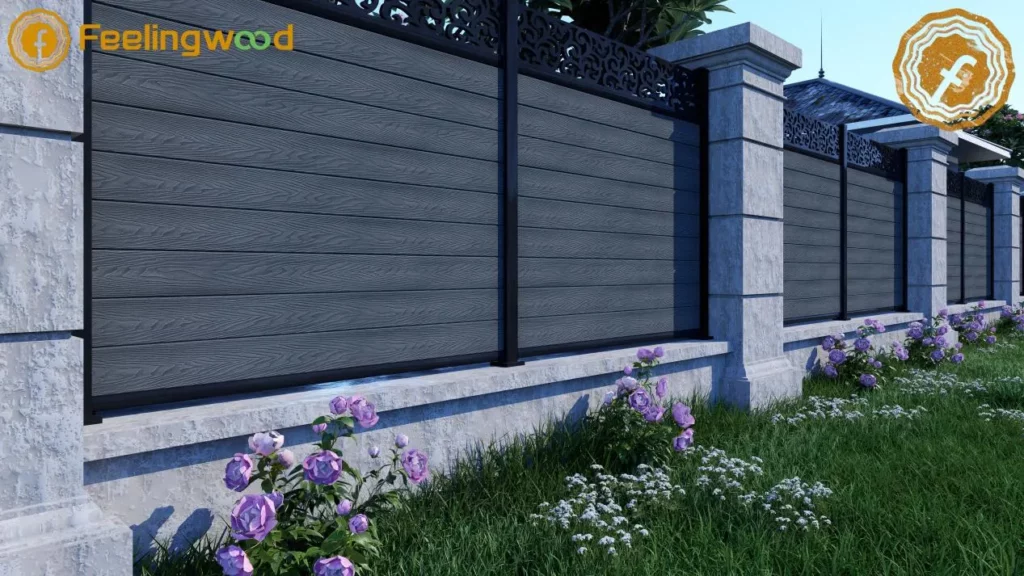
One of the key reasons why composite fencing is more expensive than timber is its exceptional durability. Feelingwood composite fence panels undergo rigorous testing to ensure they are resistant to impact, scratches, UV damage, and weathering. In contrast, wooden fences, even with regular maintenance, are more susceptible to damage from moisture, insects, and the elements. Composite fences are designed to last at least 20 years, while timber fences typically last 10 to 15 years. When factoring in the long lifespan and minimal maintenance, composite fencing becomes a more cost-effective option over time.