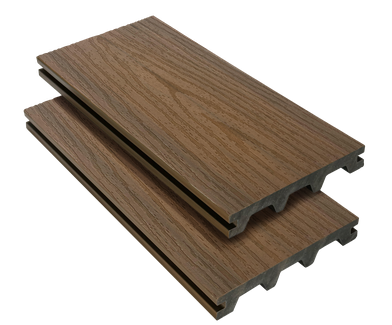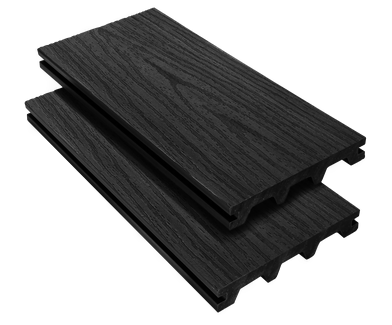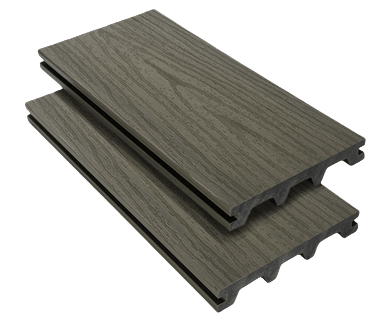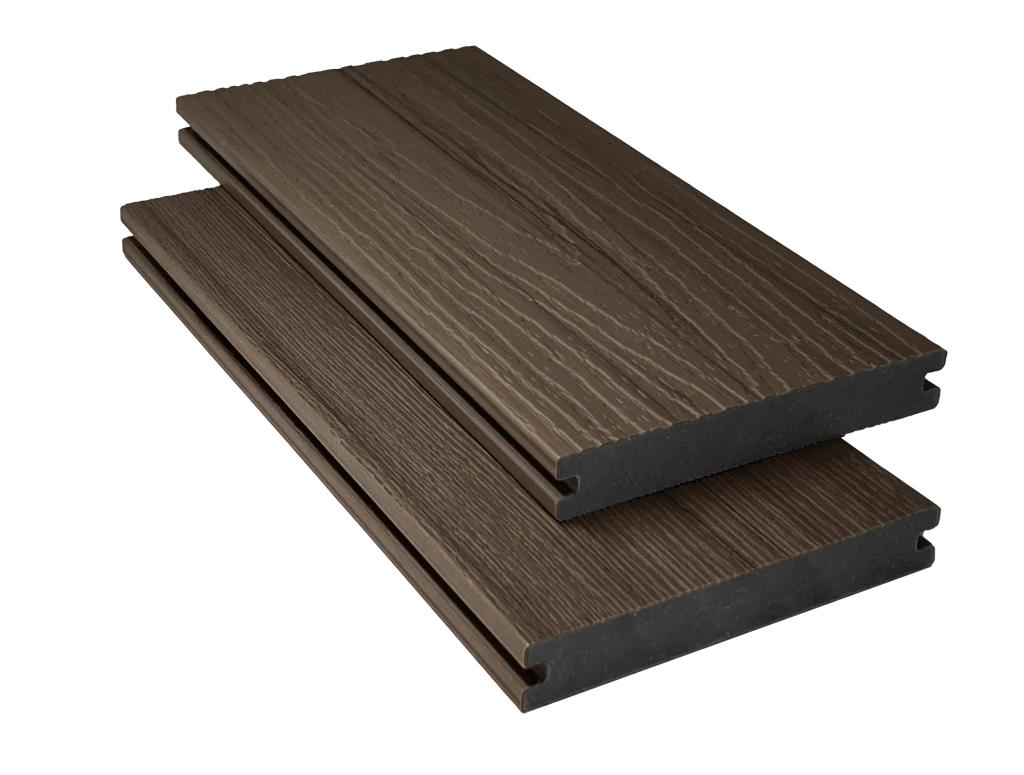
For many Canadian homeowners, a fence is not something they want to think about replacing too soon. It protects privacy, frames the yard, and needs to stay visually stable through snow, rain, summer sun, and seasonal temperature changes. That is why WPC fencing lifespan matters when planning a new outdoor project or evaluating whether an existing fence still has long-term value.
However, fence life is not decided by material alone. In Canadian conditions, climate exposure, installation quality, drainage, maintenance habits, and everyday use all work together. Understanding WPC fencing lifespan means looking at these factors as a connected system, not a single fixed number.
Why WPC Fencing Lifespan Matters for Canadian Homes
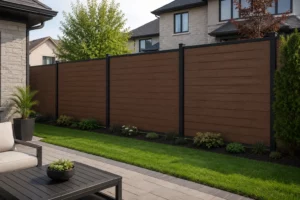
For many Canadian homes, a fence plays a practical and visual role at the same time. It creates a more private backyard, defines outdoor living areas, and contributes to the overall appearance of the property. When a fence begins to fade unevenly, loosen, warp, or show signs of structural weakness, the whole outdoor space can feel less comfortable and less finished.
This is why WPC fencing lifespan matters from the beginning of a project. A longer-lasting fence can help reduce the need for frequent repairs, repainting, or early replacement. It also supports long-term value because the fence remains part of the home’s exterior design rather than becoming a recurring maintenance concern.
For homeowners choosing a privacy fence, appearance is only one part of the decision. The fence also needs to hold up through seasonal weather, changing temperatures, moisture exposure, and daily outdoor use. A well-planned WPC fence can help balance privacy, durability, and a cleaner outdoor look for Canadian homes.
How Canadian Weather Affects Long-Term Fence Performance
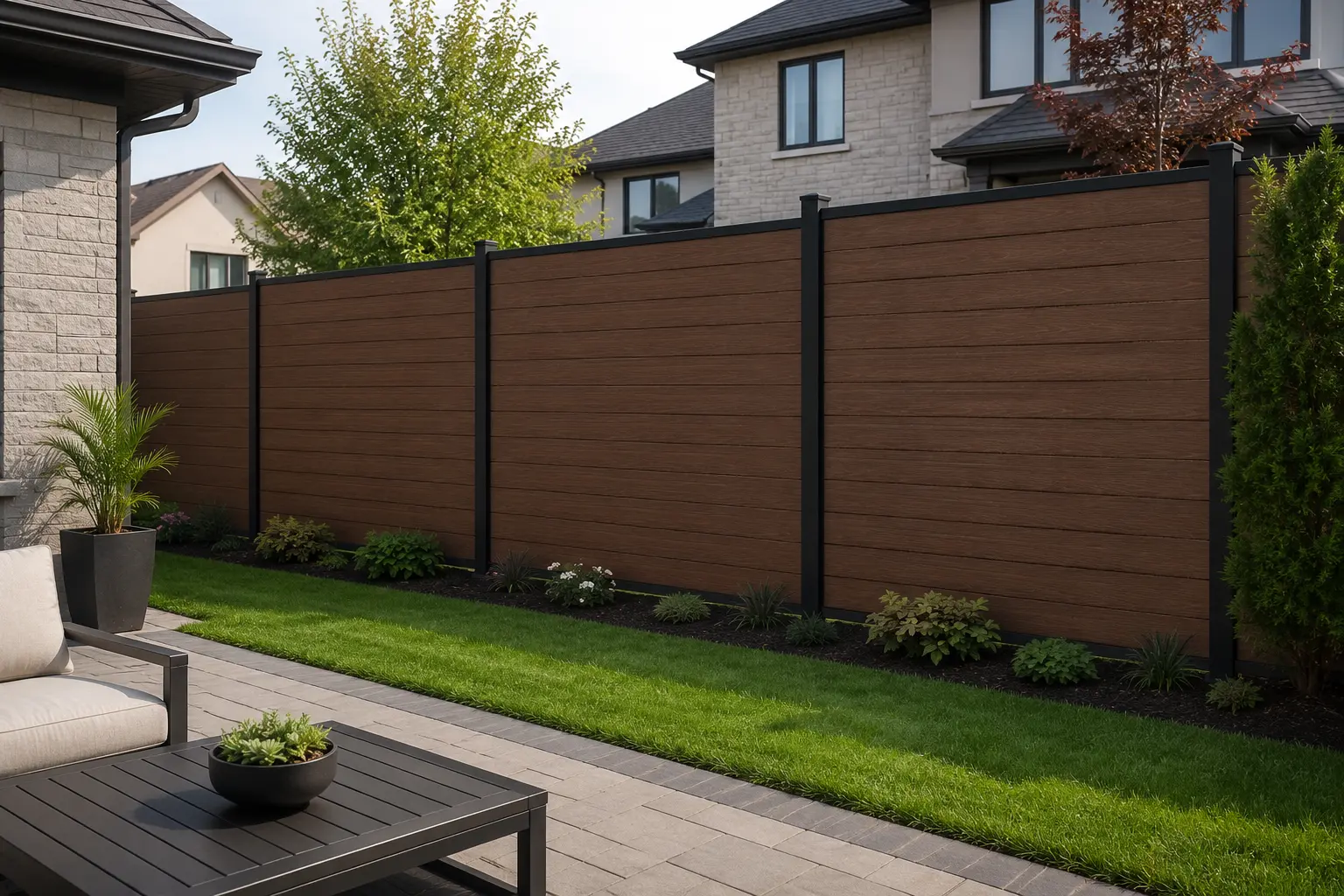
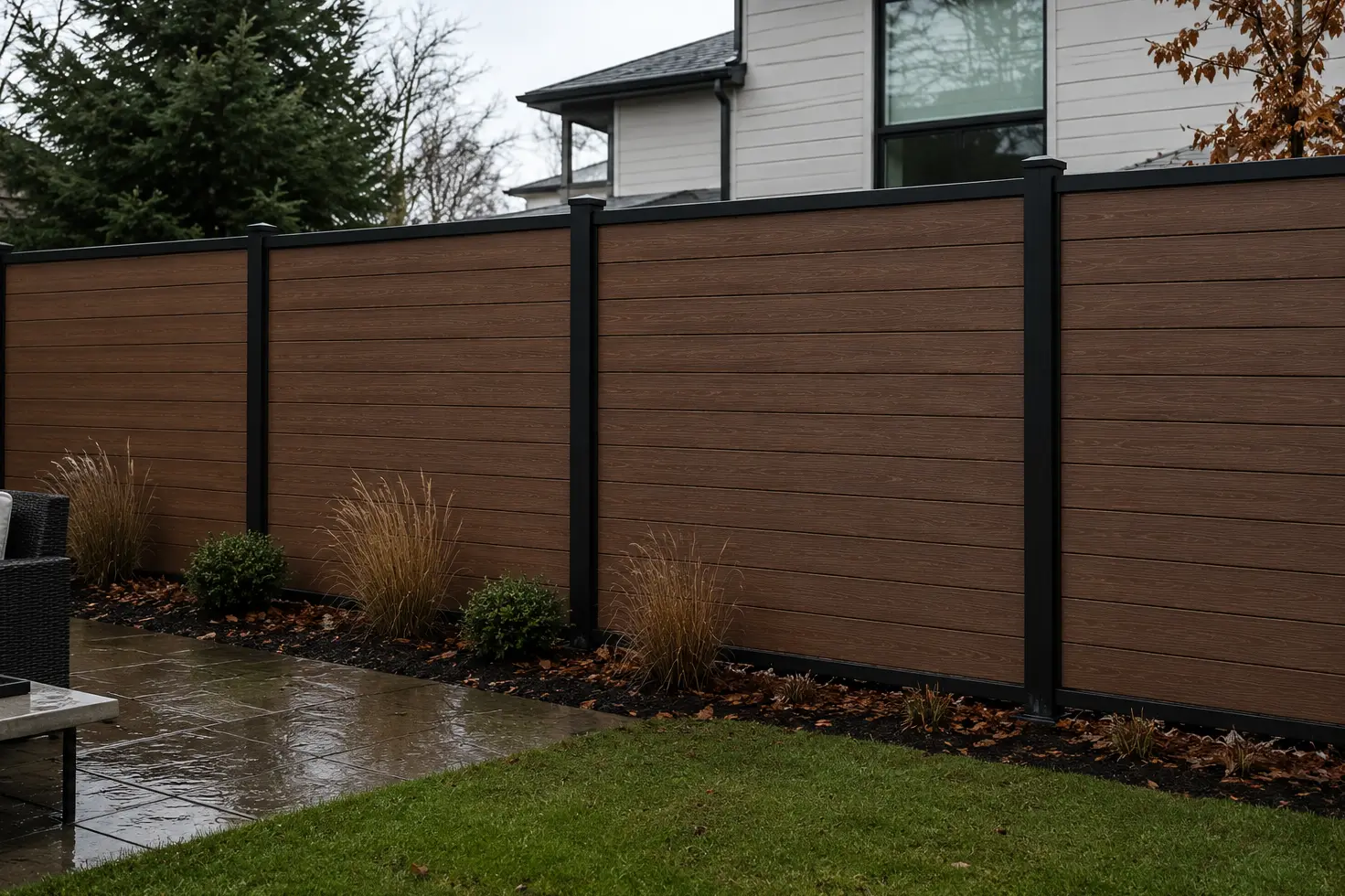
Canadian weather affects fence performance through repetition, not sudden failure. Rain, snow, humidity, freeze-thaw cycles, UV exposure, and wide temperature shifts can all place steady pressure on outdoor fencing. Over time, these conditions test how well the boards, posts, fasteners, and installation details work together.
Moisture exposure is especially important in Canada. Water may collect around post bases, settle in shaded corners, or stay trapped where airflow is limited. In winter, freeze-thaw cycles can add stress as moisture expands and contracts. In summer, strong sunlight and UV exposure may gradually influence surface appearance and color stability, especially when materials are not built for outdoor use.
This is why WPC fencing lifespan should be considered in relation to climate, drainage, and installation—not appearance alone. Homeowners who want to understand the material before comparing long-term durability can start with What Is WPC Fencing and Is It Suitable for Canadian Homes? as a useful background guide.
Material Quality and Board Structure Behind Fence Durability
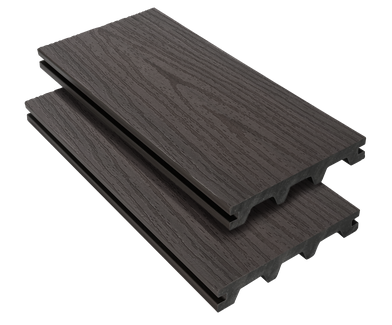
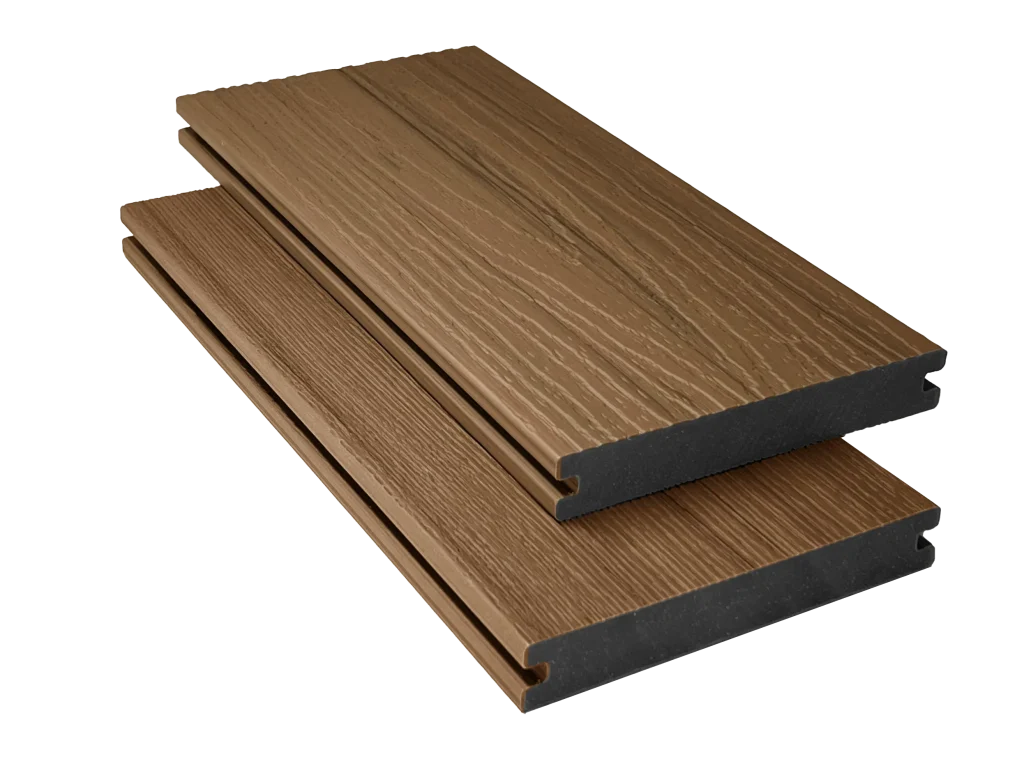
Material quality has a major influence on WPC fencing lifespan. A fence board needs to remain stable outdoors while resisting common issues related to moisture, temperature movement, and surface wear. The quality of the composite material, the consistency of the board structure, and the design of the surface finish can all affect long-term fence durability.
A stable board structure helps the fence maintain its shape and alignment over time. If the material is inconsistent or poorly designed for outdoor use, it may be more likely to show surface changes, uneven movement, or reduced weather resistance. On the other hand, a well-made composite board can support better dimensional stability and a more consistent appearance through seasonal changes.
Surface finish also matters. While no outdoor material stays completely unchanged forever, better surface design can help support color retention and reduce visible aging. For Canadian homeowners, this means WPC fencing lifespan depends not only on choosing composite material in general, but also on choosing boards that are built for long-term exterior performance.
Installation Factors That Influence Fence Stability Over Time
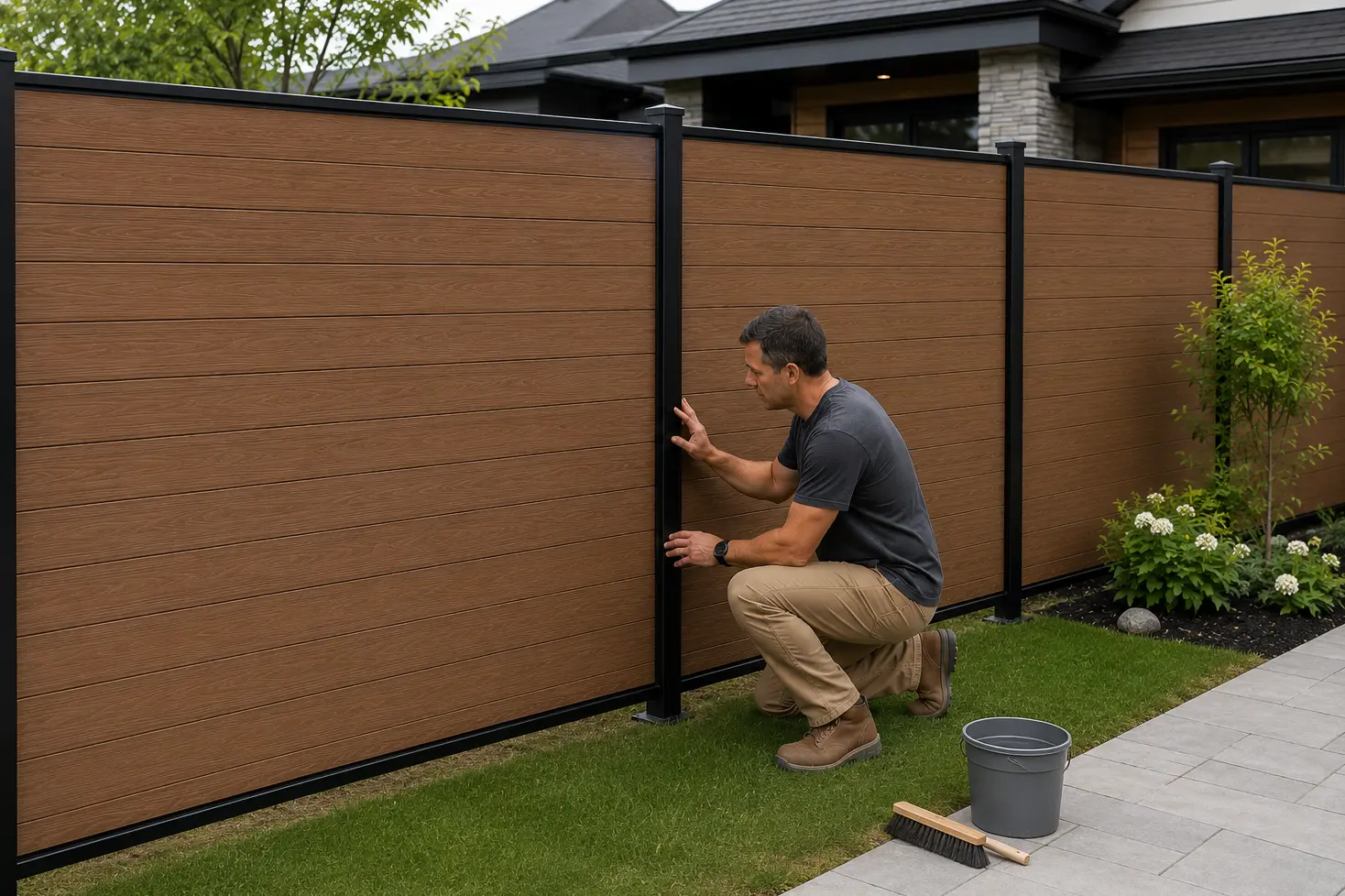
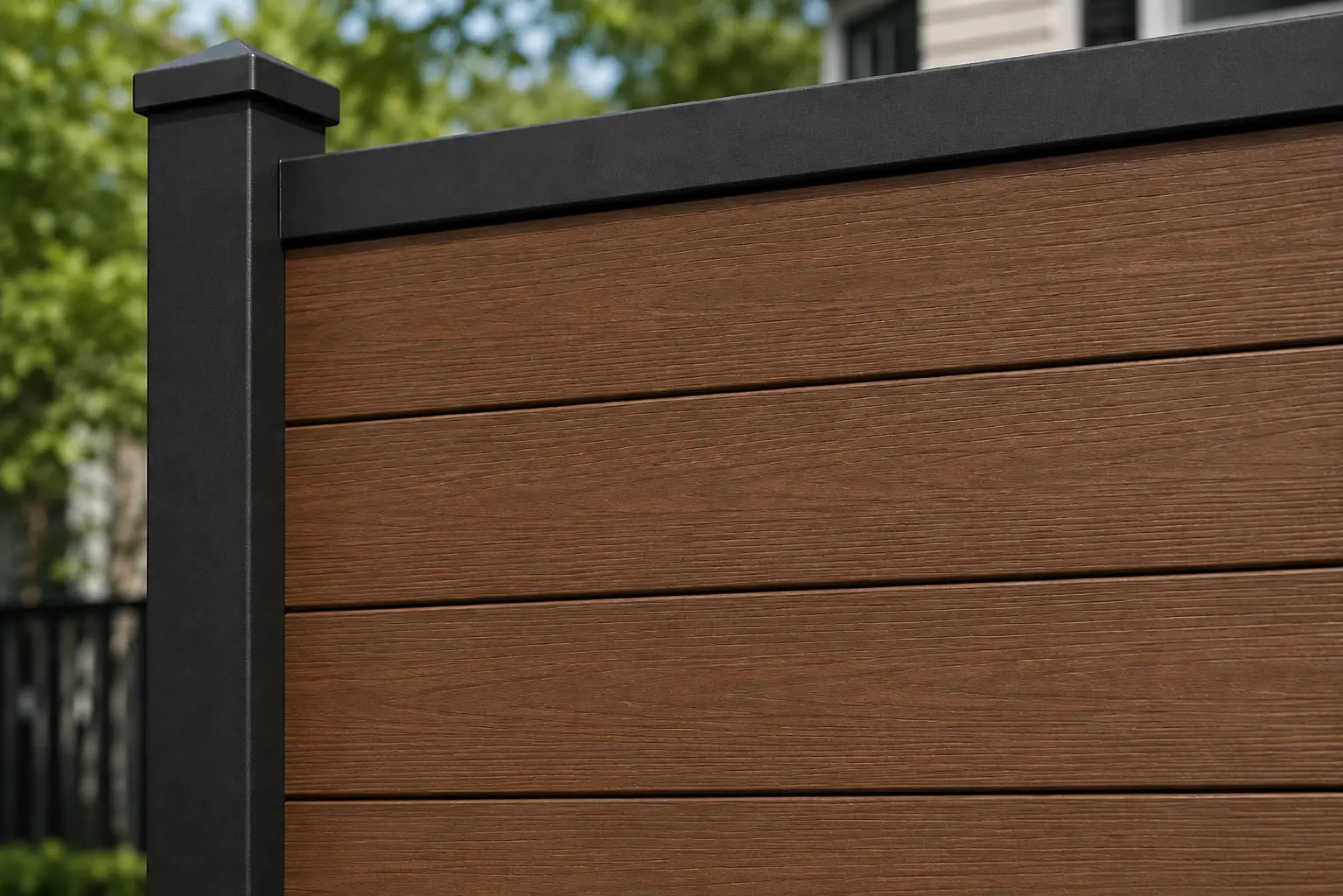
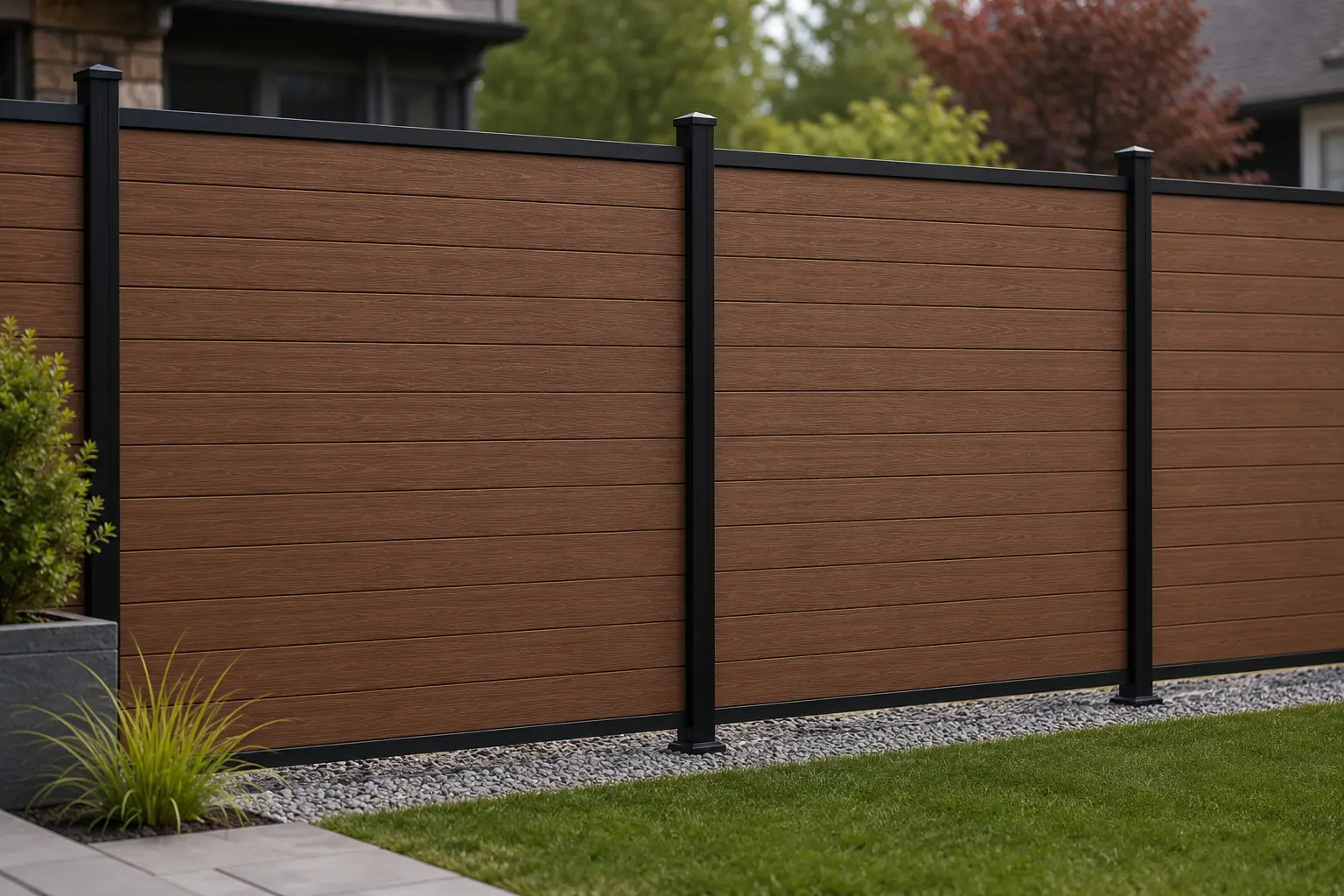
Even a durable fence material needs proper installation quality to support long-term fence stability. In outdoor conditions, a fence must respond to wind, soil movement, moisture, and seasonal temperature changes. If the system is not planned with stability in mind, small issues in post stability, board alignment, drainage, or expansion gap can become more noticeable over time.
Posts play a major role because they support the full fence structure. When posts shift, lean, or loosen, the boards may begin to look uneven even if the board material remains in good condition. Board alignment also affects both appearance and performance, especially as the fence expands and contracts through different seasons.
Drainage and spacing are equally important. Poor drainage can increase moisture exposure around the base, while limited expansion space may create unnecessary pressure within the fence system. These details can influence WPC fencing lifespan and future replacement timing. For planning basics, Fence Post Spacing and Layout: What to Plan Before Installing WPC Fencing fits naturally here.
Maintenance Habits That Help Delay Fence Replacement
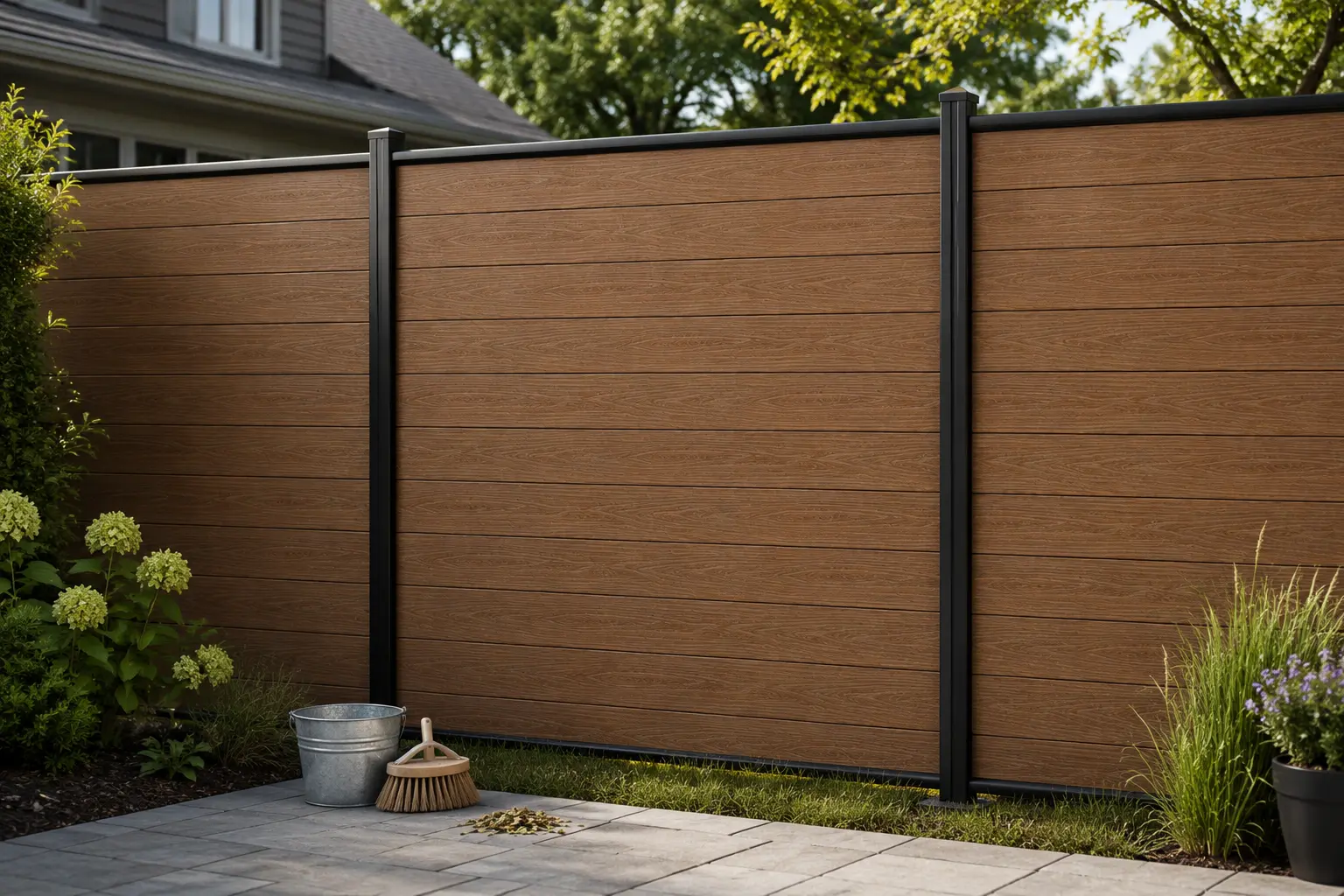
WPC fencing is often selected for its low-maintenance qualities, but low maintenance does not mean no maintenance. Simple care habits can help delay fence replacement by keeping the surface cleaner, reducing moisture buildup, and making early signs of wear easier to notice.
In outdoor settings, leaves, soil, pollen, dust, and other debris may collect on the boards or around the base of the fence. When this buildup holds moisture for long periods, it can affect surface appearance and make the fence look older than it actually is. Gentle cleaning helps maintain a cleaner finish and supports more consistent long-term performance.
Regular visual checks are also useful. Homeowners can look for loose posts, board damage, unusual movement, or areas where water tends to collect. These checks do not need to be complicated; they simply help identify whether the fence is aging normally or needs attention. For seasonal care guidance, How to Clean WPC Fencing After Snow, Dust, and Seasonal Weather Changes can support this section naturally.
When to Repair, Refresh, or Replace Your WPC Fence
Replacement timing should depend on how serious and widespread the problem is. Not every issue means the whole fence has reached the end of its life. Surface dirt, light fading, or seasonal residue may only require cleaning or a simple refresh. A loose board, small damaged area, or connection point may often be handled with localized repair.
Replacement becomes more reasonable when problems are repeated, structural, or spread across several sections, such as unstable posts, significant board damage, or poor overall alignment. For Canadian homes, WPC fencing lifespan should be judged by both appearance and performance: the fence should still look appropriate, feel secure, and support everyday outdoor use.
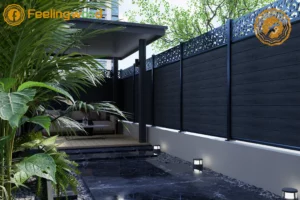
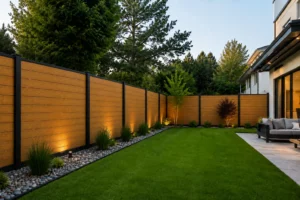
In the long run, lifespan is shaped by climate exposure, installation quality, maintenance habits, and the surrounding environment. Choosing a WPC fencing product with stable materials, practical installation details, and clear care guidance, such as FeelingWood fencing, can help homeowners plan more confidently for long-term outdoor use.