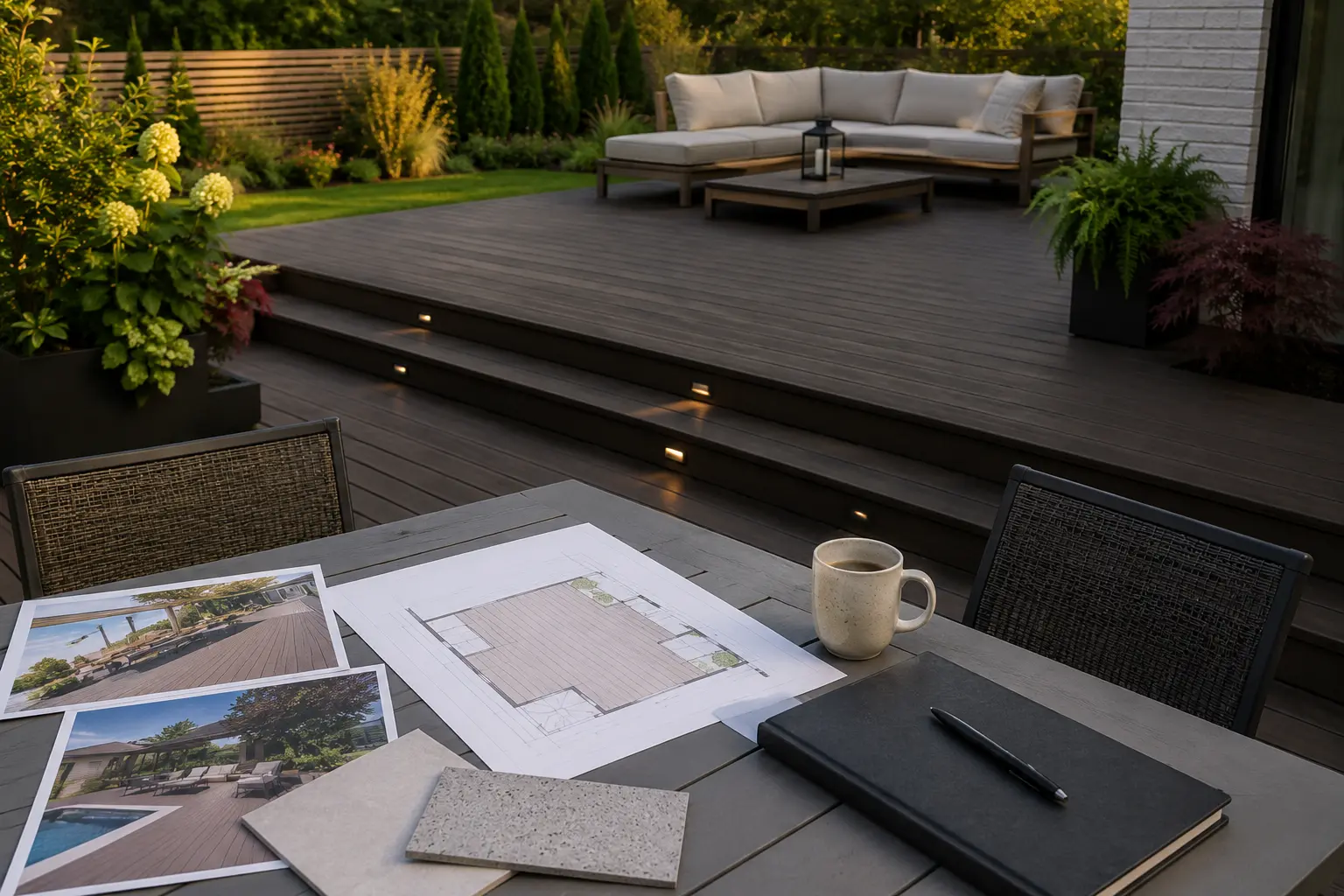
Planning a backyard deck often begins with one simple question: how much will the boards cost? For many Canadian homeowners, the deck surface is the most visible part, so it naturally becomes the first point of comparison. But a deck is not built from boards alone. Fasteners, base preparation, substructure condition, site access, and labor can all affect the final project scope.
That is why a clear composite decking cost breakdown in Canada is helpful before comparing options. It explains the main parts behind composite decking cost and helps homeowners plan a more realistic backyard deck with better long-term value.
The Four Main Parts of a Composite Decking Cost Breakdown
A complete composite decking cost breakdown should look at the deck as a full deck system, not just as a surface made of boards. In most projects, the main cost structure can be understood through four parts: decking materials, fasteners and accessories, base preparation and substructure, and labor. This framework helps homeowners see why the final project scope can vary even when two decks appear similar in size.
Decking materials shape the visible surface, including color, texture, board layout, and overall design direction. Fasteners, clips, screws, and edge trim may seem like small details, but they help connect the boards properly and support a clean, stable finish. The base and substructure, including joists, beams, footings, drainage, and ventilation, affect long-term stability. Labor then brings everything together through cutting, spacing, alignment, stairs, railing, and finishing work. Understanding these four areas makes composite decking cost easier to compare.
Composite Decking Materials: Board Type, Profile, and Surface Performance
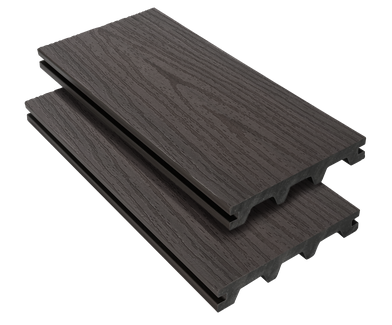
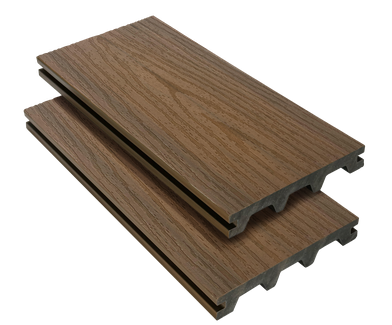
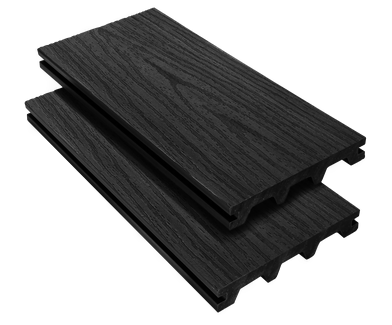
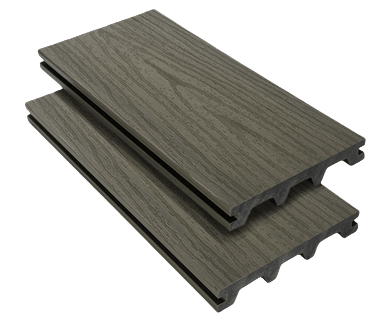
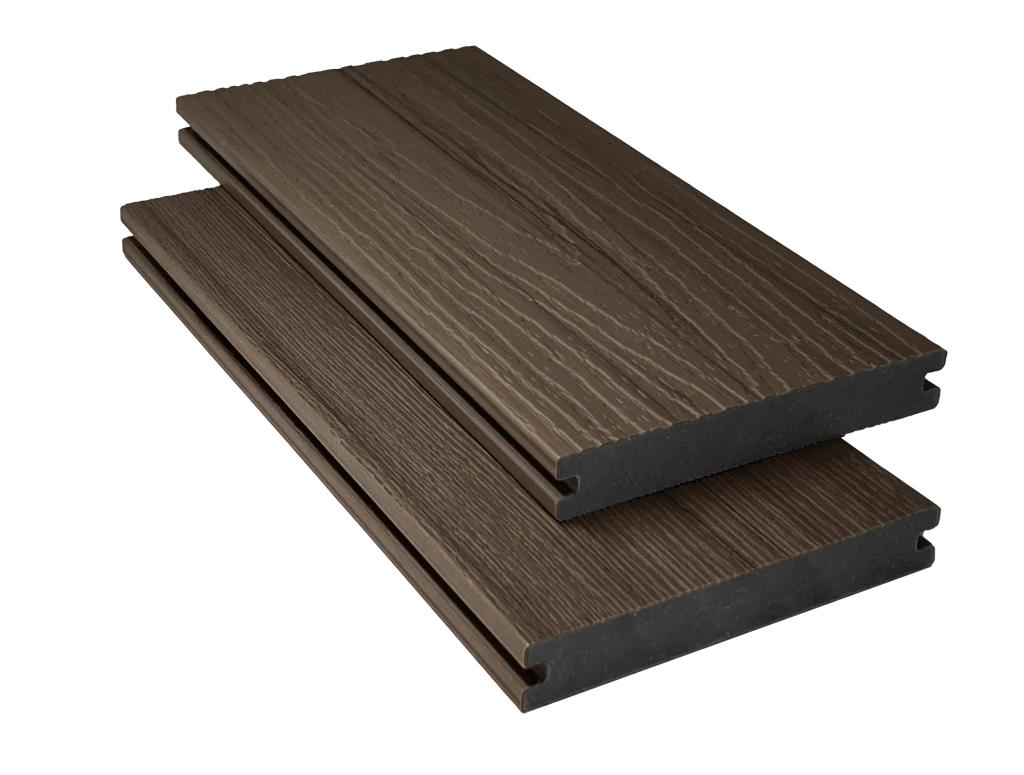
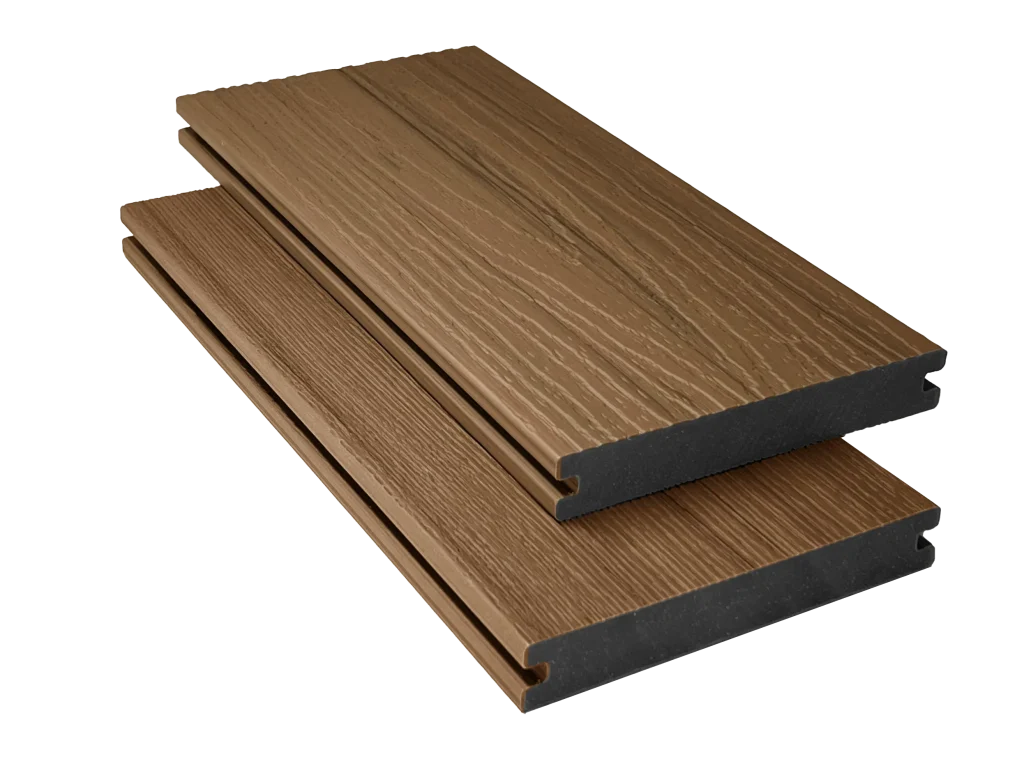
The first major part of composite decking cost is the material itself. Different composite decking materials can vary in board profile, internal structure, surface finish, and intended use. These differences affect more than appearance. They may also influence installation methods, board stability, maintenance needs, and long-term performance.
Board profile is one useful comparison point. A solid core board may feel heavier and more substantial, while a hollow core profile can offer a different balance of weight, handling, and project fit. Surface protection also matters in Canada, where decks may face rain, humidity, snow, freeze-thaw conditions, and strong summer UV exposure. Moisture resistance, fade resistance, surface texture, and dimensional stability all contribute to long-term value. A lower upfront material choice may not always offer the same durability or visual consistency over time. For homeowners comparing options, How to Choose the Right WPC Material for Your Home in Canada provides a helpful reference for understanding board structure and surface performance.
Fasteners and Accessories: The Small Parts That Affect the Whole System
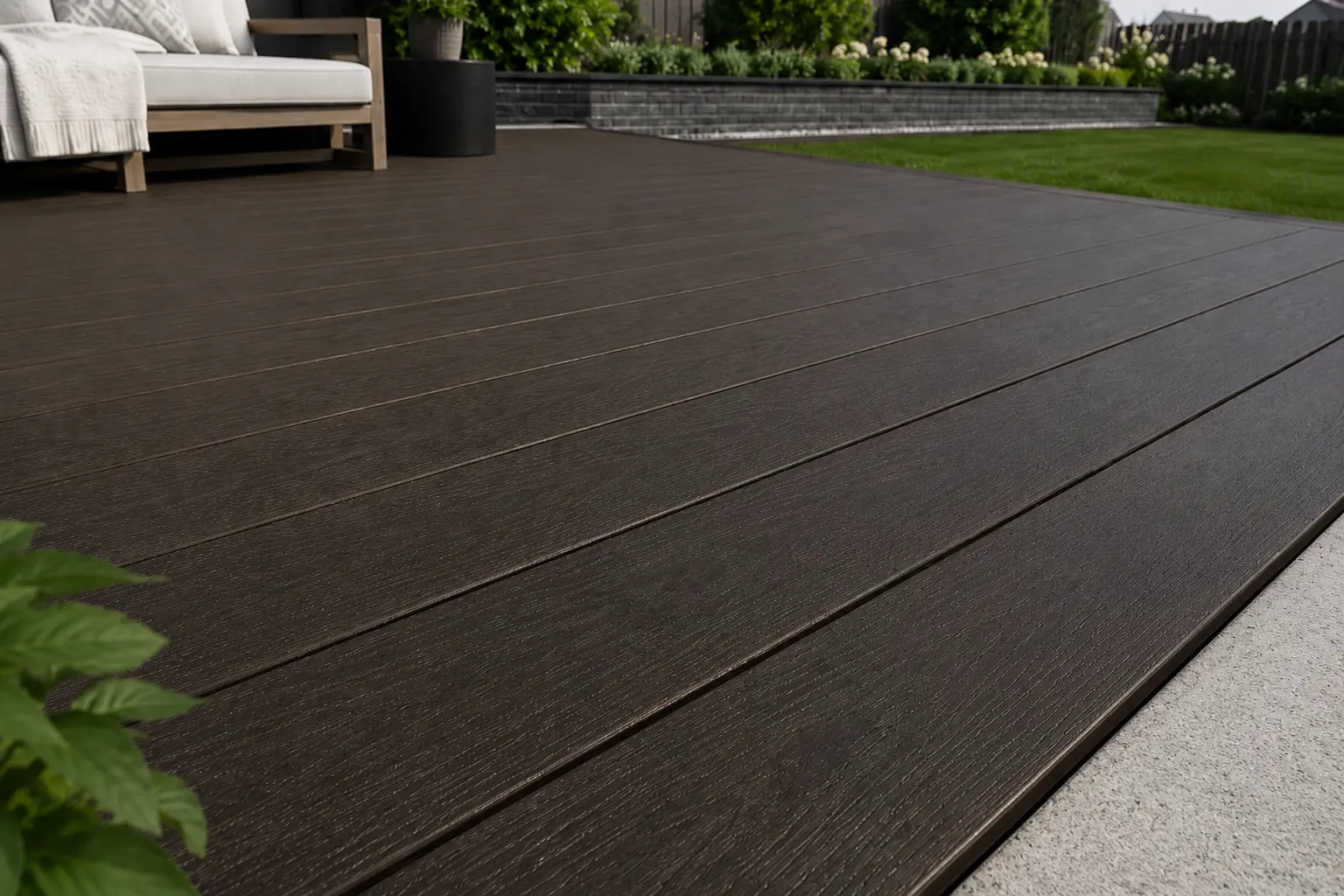
Fasteners and accessories are easy to overlook during early budgeting, but they are an important part of overall composite decking cost. A clean and stable deck depends on more than the boards themselves. Deck fasteners, clips, screws, starter clips, edge trim, and the full fastening system all help the deck work as a connected structure.
In many modern composite decking projects, hidden fasteners are used to create a cleaner walking surface without visible screws across the main boards. They can also help maintain consistent spacing between boards. However, fasteners should not be selected separately from the deck design. They need to match the board profile, joist layout, and installation method. If the fastening system is not compatible, it may lead to uneven gaps, difficult installation, or weaker long-term stability.
Edge trim and related accessories also affect how finished the deck feels around borders, corners, and transitions. These details may seem small, but they can influence both the installation process and the final appearance of the deck.
Base and Substructure: The Hidden Part Behind Decking Cost
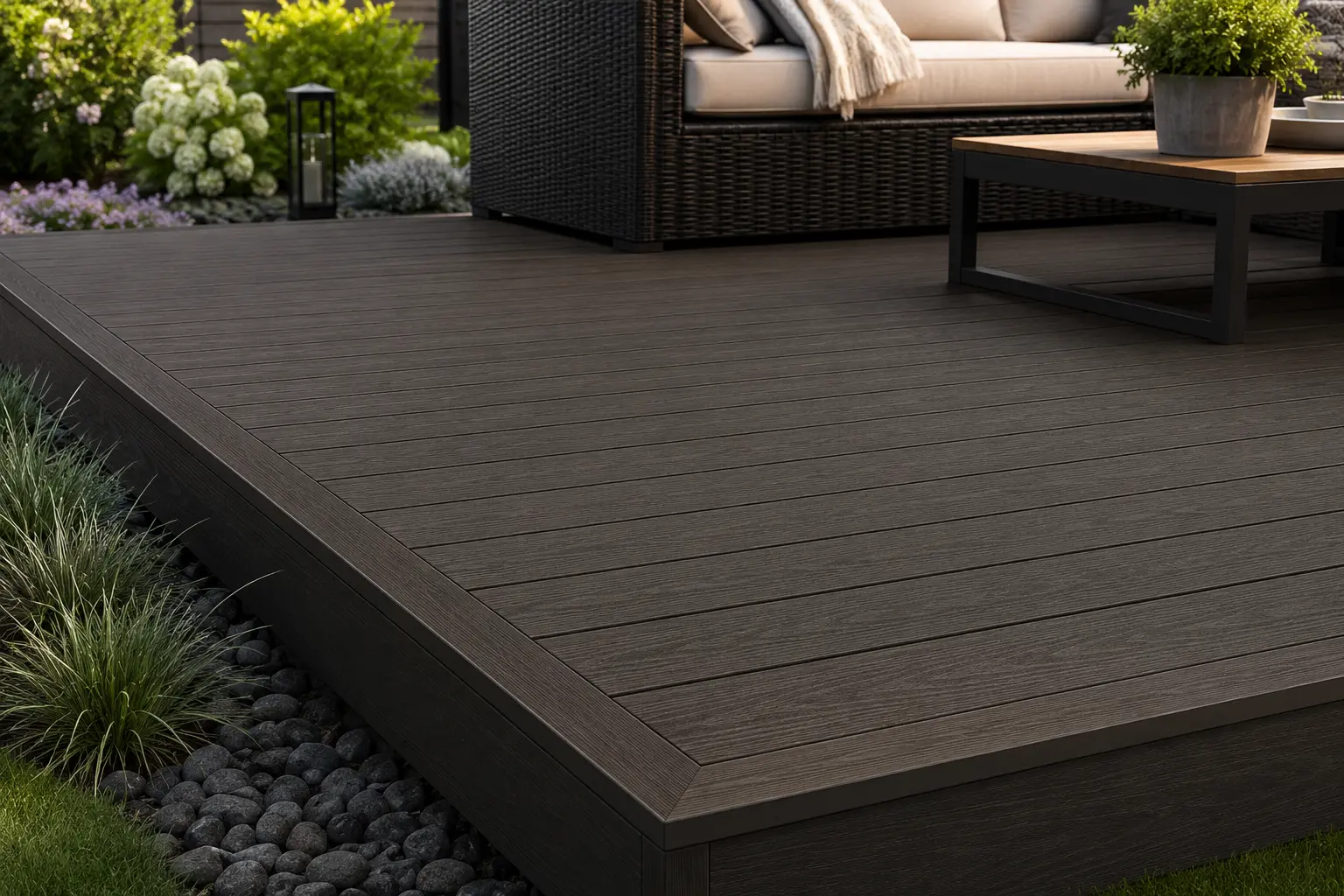
The deck substructure is one of the most important but easily underestimated parts of composite decking cost. Homeowners usually notice the finished surface first, but the structure underneath determines whether the deck can stay stable, level, and reliable through seasonal changes.
In Canada, base preparation is especially important because outdoor decks may face snow, rain, humidity, and repeated freeze-thaw cycles. If water cannot drain properly, or if there is not enough ventilation below the boards, moisture can remain trapped under the deck. Over time, this may affect joists, beams, posts, footings, and the overall stability of the structure.
The scope of base work can also vary from project to project. An old deck may need to be removed, existing joists may require inspection or reinforcement, and the choice of joist material can influence long-term dimensional stability. Drainage slope, airflow, and footing placement should all be reviewed before installation begins. These preparation details are also discussed in Composite Decking Substructure Guide for Canadian Homes: What to Check Before Installation, which explains what homeowners should review before building a deck.
Labor Factors: Installation Complexity, Site Access, and Finishing Details
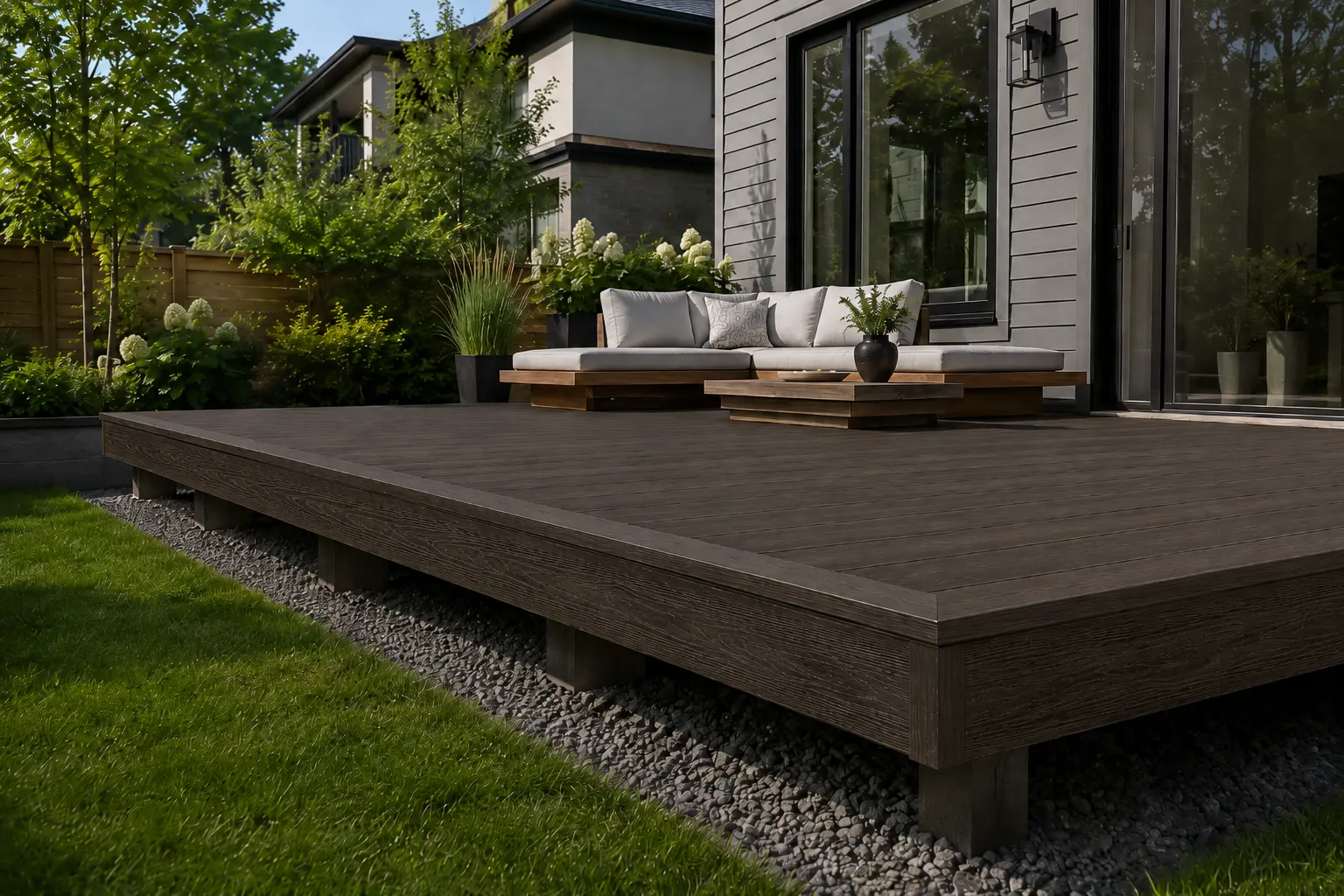
Labor is another key part of composite decking cost, but it should not be understood only as the time spent placing boards. Composite decking installation can become more complex depending on site access, deck layout, cutting requirements, stairs, railing, fascia finishing, and the number of visible details involved. A simple rectangular deck with open access is usually easier to install than a project with tight corners, multiple levels, built-in steps, or complicated transitions.
Site conditions can also change the amount of planning and handling required. If materials are difficult to move into the backyard, or if the working area is narrow, sloped, or partially blocked, installation may take more coordination. Precision is another important factor. Composite boards need consistent alignment, controlled board gaps, clean cuts, and proper fastening. Stairs, railing connections, and edge details often require extra attention because they are highly visible in the finished space. These labor cost factors affect both construction complexity and the final appearance of the deck.
How to Compare Composite Decking Quotes Without Focusing Only on Price
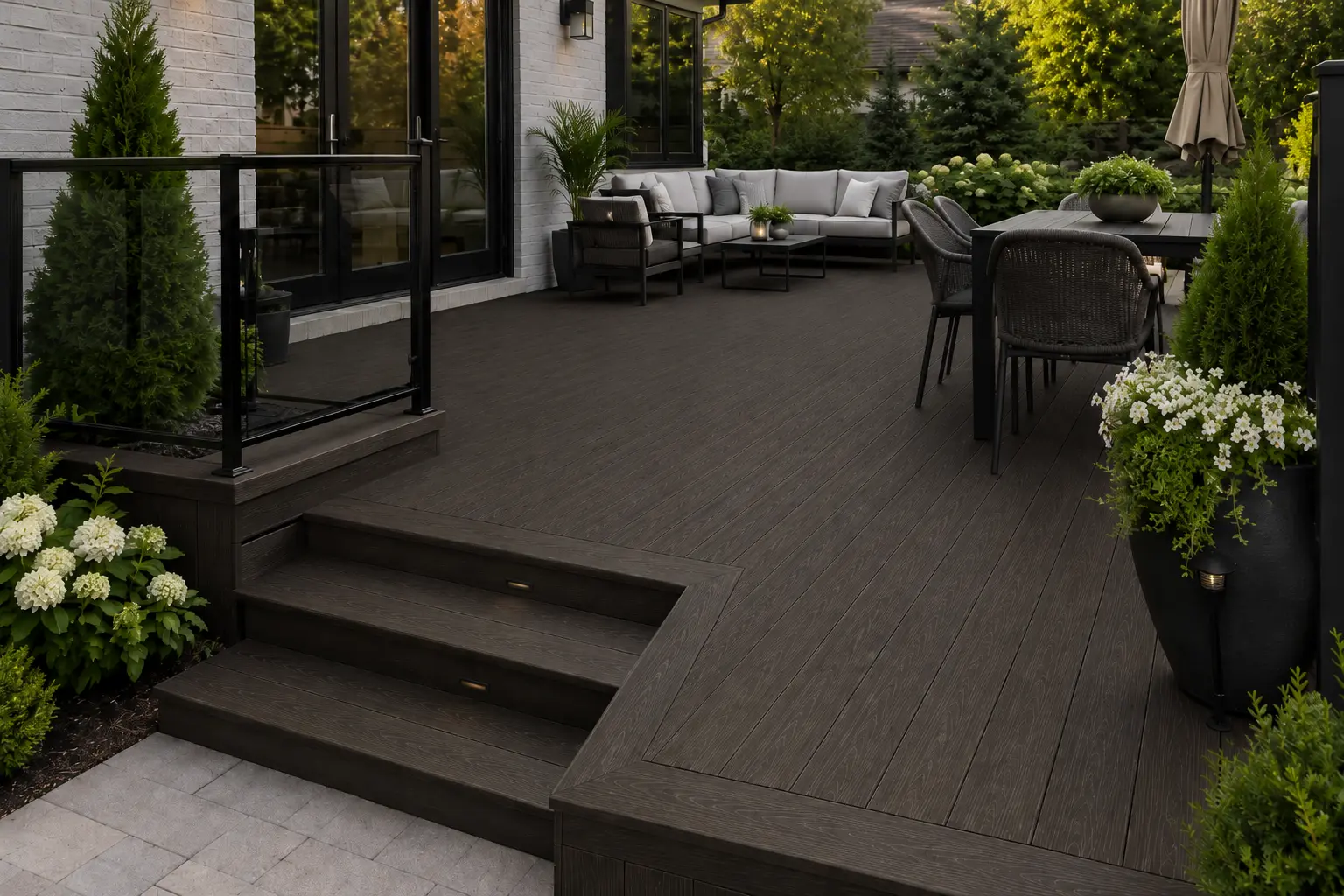
When comparing composite decking quotes, it is easy to focus on the lowest number. But a useful comparison should look at what is included in the full deck project cost. One quote may cover only boards and basic installation, while another may include fasteners, accessories, base preparation, substructure work, labor, and finishing details.
A clear composite decking cost breakdown should make the project scope easy to understand. Homeowners should review the material list, installation details, site-specific work, and how each part supports long-term value. This is especially important for compact outdoor areas, where board direction, edge treatment, and usable layout can affect both appearance and installation planning. For this type of space-planning perspective, Best Composite Decking for Small Backyards in Canada: What Really Matters When Choosing offers a useful related discussion.
Without this context, two quotes can look similar on the surface but represent different levels of preparation and quality. Some brands, such as FeelingWood, approach composite decking as a system, where materials, installation logic, and long-term outdoor use are considered together. For homeowners, this makes the comparison more practical: the goal is not only to understand the surface price, but to see whether the full deck system can support durability, appearance, and comfortable outdoor living over time.