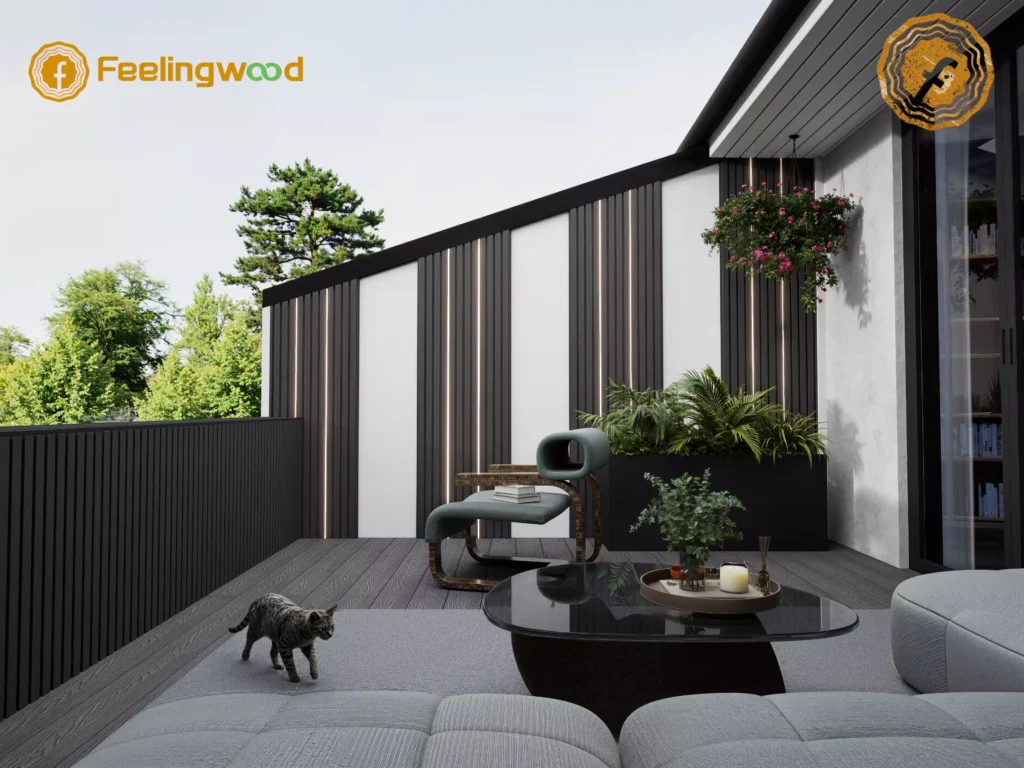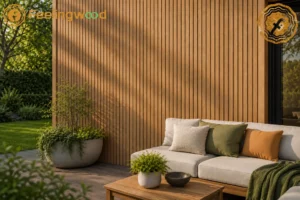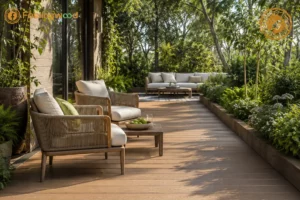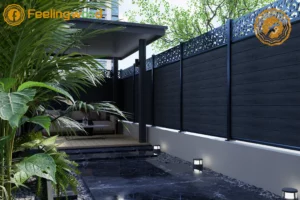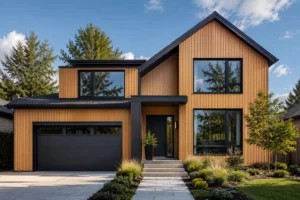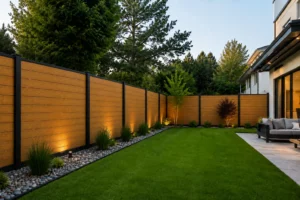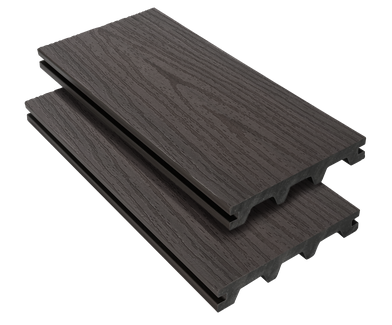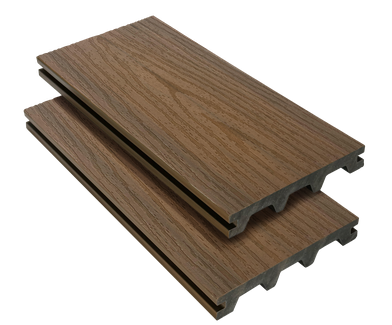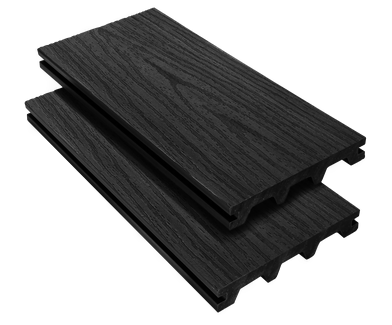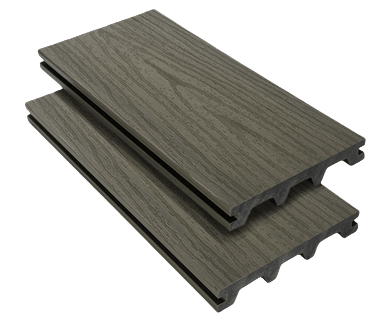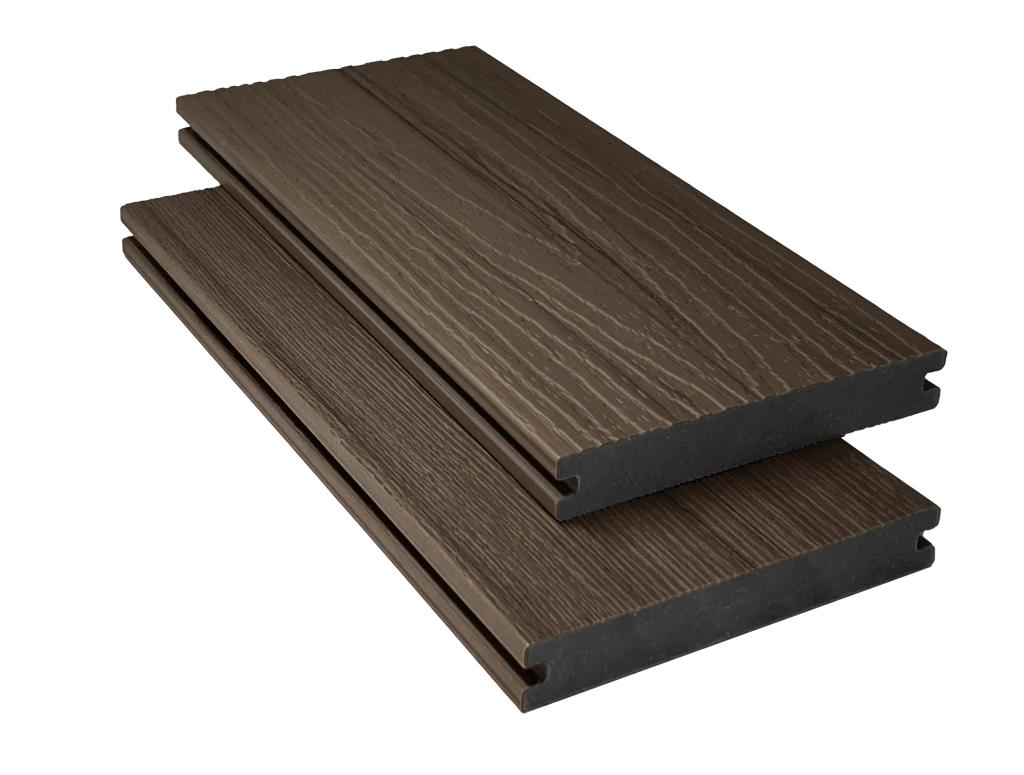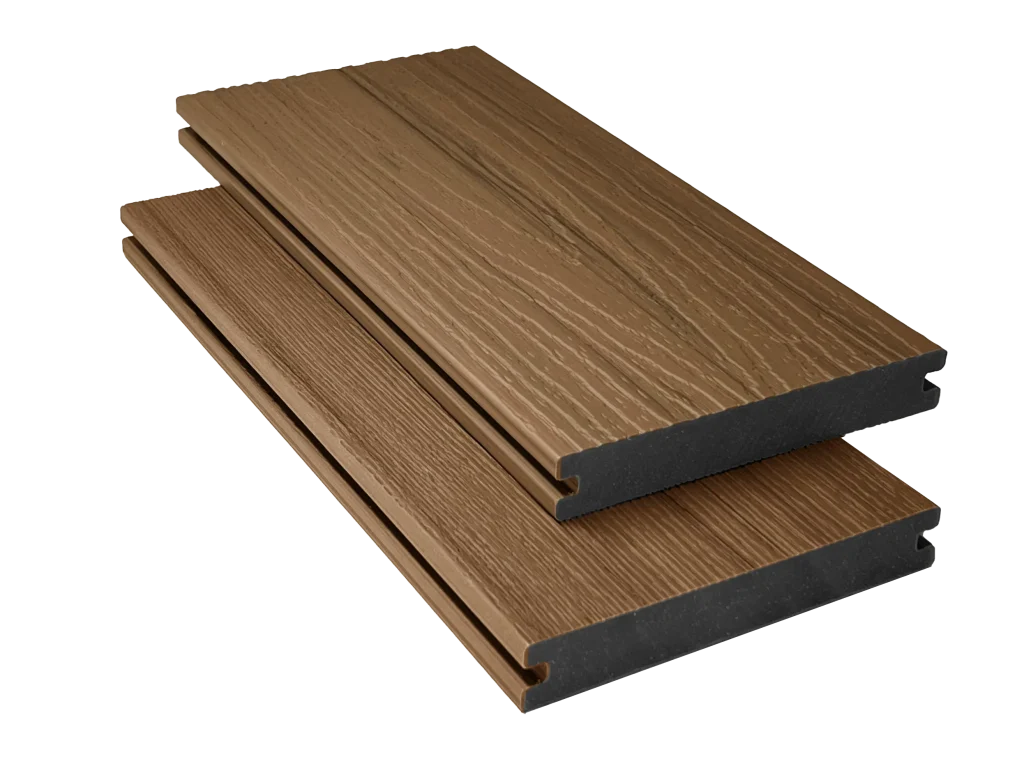
WPC materials, valued for their durability and eco-friendly properties, have become a popular choice for outdoor residential renovations in Canada. However, with the wide variety of products available on the market, selecting WPC materials that truly suit your home requires a careful evaluation of local climate conditions and real-world usage scenarios. This article will guide you through the key considerations to help you find the WPC solution that best matches your needs.
Why Choosing the Right WPC Material Matters
Selecting the appropriate WPC material directly impacts the experience of using your outdoor space and the product’s lifespan. High-quality WPC products can adapt to Canada’s variable climate and maintain stable performance over the long term. Conversely, an improper choice may lead to premature aging, warping, or other issues, affecting both comfort and aesthetics.
From a long-term perspective, the right WPC material can reduce the frequency and cost of future maintenance. For example, an outdoor deck built with high-performance WPC that is resistant to UV rays and temperature fluctuations can maintain its like-new appearance for years despite exposure to sun and rain, eliminating the need for frequent repairs or replacement.
Furthermore, when the performance of WPC materials closely matches their intended application, you can fully leverage their advantages in waterproofing and corrosion resistance, providing lasting protection for your home’s outdoor areas.
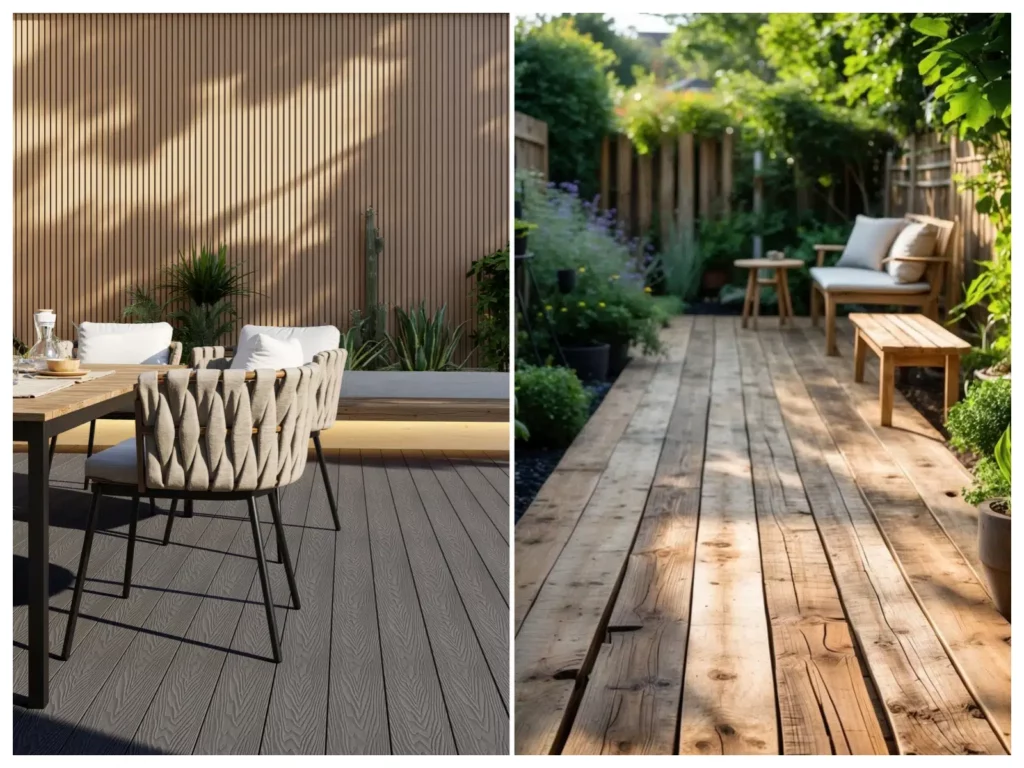
Key Factors to Consider When Choosing WPC Materials
When choosing WPC materials, avoid searching for a single “best” option. Instead, focus on the following core dimensions based on your own needs to build a personalized decision framework:
- Installation Location
Ground Applications: Prioritize load-bearing capacity and slip resistance.
Fencing Applications: Focus more on wind resistance and appearance stability.
Wall Cladding: Prioritize waterproofing and temperature adaptability.
- Climate Adaptability
Climate variations across different provinces.
Seasonal temperature fluctuation ranges.
Sunlight intensity and precipitation frequency.
- Usage Intensity
High-traffic areas (e.g., family activity deck): Choose products with high wear resistance and load-bearing capacity.
Low-traffic areas (e.g., side yard fence): Can consider products with slightly less stringent durability requirements.
Special applications (e.g., pool surrounds): Must emphasize waterproof and anti-slip properties.
- Maintenance Expectations
Willing to perform regular cleaning: Can opt for products requiring higher maintenance.
Prefer low maintenance: Should prioritize WPC materials with more durable surface treatments.
Require no maintenance: Need to select high-end products with self-cleaning characteristics.

Choosing WPC Materials Based on Canadian Climate
Canada’s unique climate imposes specific demands on WPC materials. Understanding these climatic factors is key to making a suitable choice.
- Impact of Freeze-Thaw Cycles
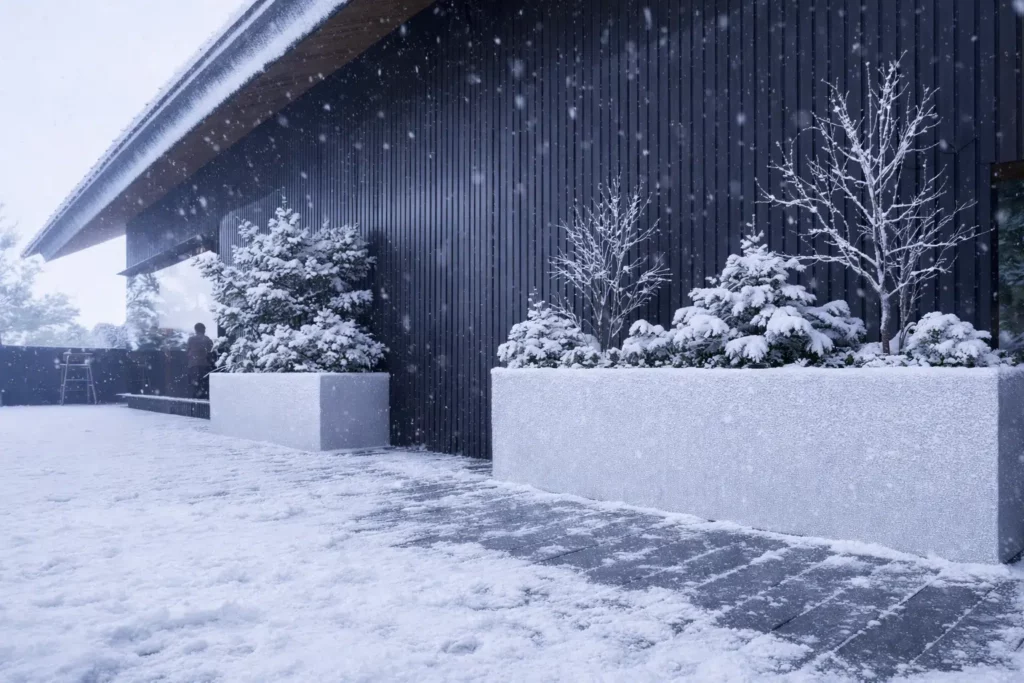
The cycle of winter freezing and summer thawing can cause repeated expansion from internal moisture freezing. High-quality WPC should possess excellent freeze-thaw resistance to prevent cracking or deformation over time. When selecting, look for products that have undergone freeze-thaw testing and check their performance feedback in similar climates.
- Considerations for Humidity and Precipitation
Precipitation varies significantly across provinces. In high-humidity environments, especially for wall cladding, WPC materials require superior waterproofing to prevent mold or rot. Detailed analysis on Is WPC Cladding Suitable for Canadian Climate and Exterior Walls? is available to aid judgment. In drier regions, focus more on the material’s resistance to drying and cracking to avoid surface cracks from rapid moisture loss.
- Protection Against UV Radiation
Canada’s summer brings ample sunshine and strong UV radiation, which can cause fading and aging in some WPC materials over prolonged exposure. Choosing products with UV protection treatments can effectively extend the material’s service life and maintain its appearance. UV protection is particularly crucial for WPC materials used in south-facing areas.
Choosing Between WPC Decking, Fencing, and Cladding
WPC materials are used in various residential applications, with product designs focusing on different aspects. Understanding these differences aids in precise selection.
WPC Decking
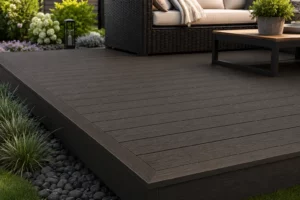
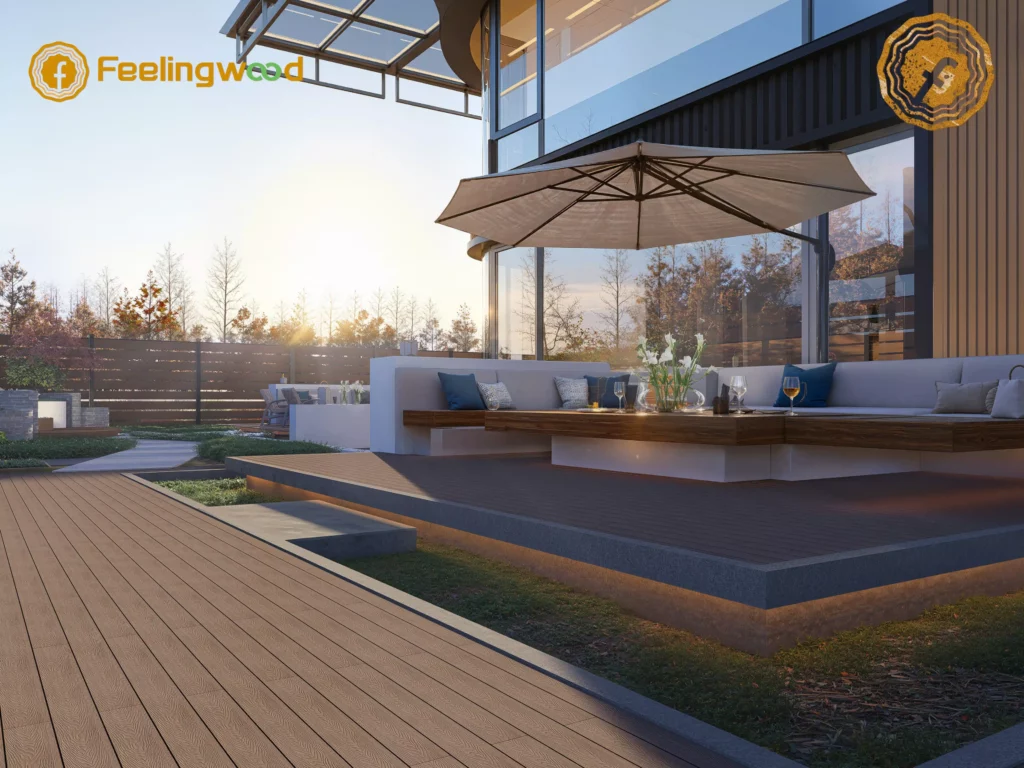
- Application: Primarily for ground areas like residential decks, balconies, and outdoor platforms.
- Core Requirements: Load-bearing capacity, slip resistance, wear resistance.
- Selection Points: Climate adaptability is a critical consideration for this long-term, exposed ground material. Professional insights on Is WPC Decking Suitable for Canadian Climate? can help refine your selection. Additionally, the appropriate thickness and structure should be chosen based on the frequency of use. For areas with high foot traffic, it is recommended to choose thicker, more durable products with a stable structure, while also considering drainage design to ensure smooth water runoff.
WPC Fencing
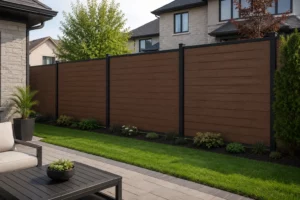
- Application: Boundary fencing, yard partitions, pool fencing, etc.
- Core Requirements: Wind resistance, appearance stability, ease of installation.
- Selection Points: Fencing must withstand long-term exposure to wind and rain, making its suitability for the Canadian climate and residential environment a key issue. A detailed explanation of What Is WPC Fencing and Is It Suitable for Canadian Homes? can provide valuable guidance. Additionally, the appropriate strength level should be selected based on height requirements. For taller fences, special attention should be given to wind resistance design, while also balancing privacy and aesthetic considerations.
WPC Cladding
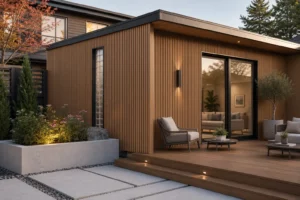
- Application: Exterior wall decoration, porch facades, garage walls, etc.
- Core Requirements: Waterproofing, temperature adaptability, impact resistance.
- Selection Points: The wall insulation needs should be taken into account. Some WPC cladding products offer certain insulating properties, which can help improve overall residential energy efficiency. Also, pay attention to installation methods to accommodate slight wall movement and prevent gaps from forming over time.
Maintenance and Long-Term Performance Considerations
From a long-term usage perspective, understanding the maintenance requirements and performance of WPC materials can help you make a more sustainable choice:
- Differences in Maintenance Requirements
Most WPC materials require less maintenance than traditional wood, but variations still exist among different products.
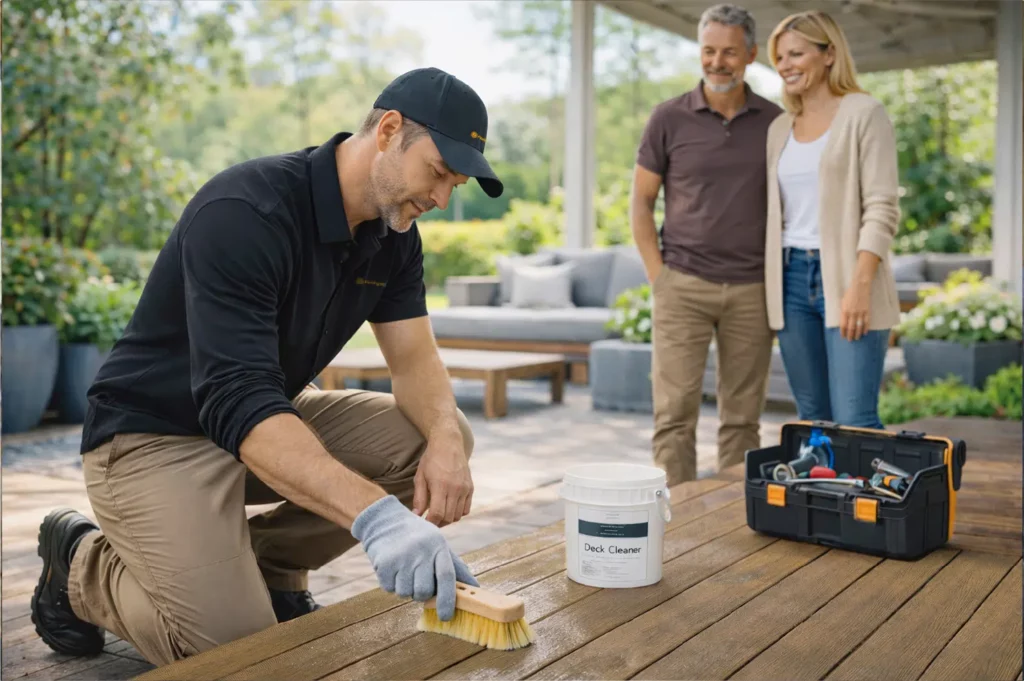
Basic maintenance includes regular cleaning to remove surface dust and dirt, preserving the material’s appearance.
Some products may require periodic inspection of connectors to ensure secure installation stability, especially after exposure to extreme weather.
- Key Indicators of Long-Term Performance
Color Stability: High-quality WPC materials should maintain color stability over years of use, minimizing fading.
Structural Integrity: Even under long-term climate fluctuations, the material should retain strong structural performance without noticeable deformation.
Surface Durability: The ability to resist daily wear and scratches, keeping the surface smooth and visually appealing.
- Recommendations for Extending Service Life
Follow the product instructions for proper installation to avoid performance issues due to incorrect setup.
Perform regular basic maintenance, promptly clearing accumulated water and dirt from the surface.
Avoid using sharp tools or heavy impacts on the WPC surface to prevent damage.
Final Tips for Choosing the Right WPC Material for Your Home
In summary, when choosing WPC materials for your home in Canada, you can follow these key principles:
- Clarify the Application: First determine where the WPC material will be used, then select products based on the core requirements of that scenario.
- Prioritize Climate Suitability: Focus on the product’s freeze-thaw resistance, moisture resistance, and UV protection as key selection criteria.
- Balance Budget and Maintenance: Find a balance between initial costs and long-term maintenance investments that suits your needs.
- Consider Overall Planning: Ensure material selection aligns with the overall garden design and functional planning.
- Refer to Real-World Examples: Learn from the experiences of neighbors or other homes in similar climatic regions to gain practical feedback. Additionally, consider WPC brands with extensive experience in the Canadian market, such as Feelingwood. Product lines developed specifically for local climate conditions (such as optimized freeze-thaw-resistant formulations and enhanced UV-protection coatings) are typically validated through long-term market use and offer more reliable adaptability.
By following these principles, you can gradually narrow down your options and find WPC materials that meet your needs while adapting to the Canadian climate, adding both practical and aesthetic value to your home’s outdoor space.