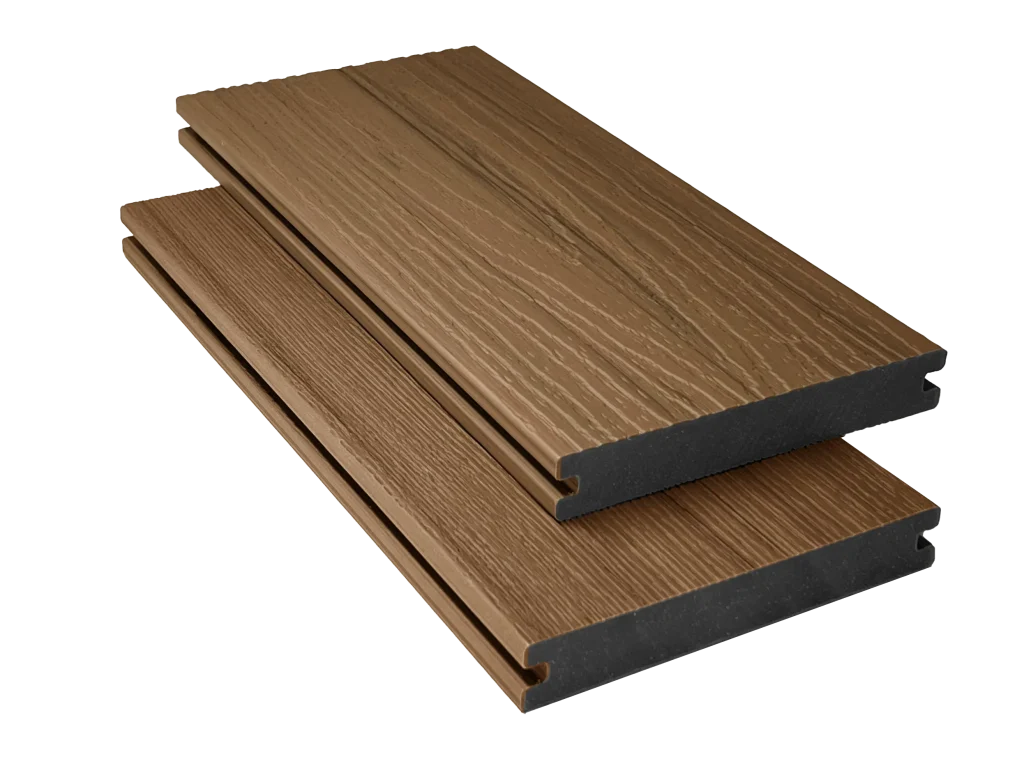
Should you leave a gap between decking boards?
The answer is an unequivocal yes. If you’re planning to install WPC (Wood Plastic Composite) Decking, you might wonder why professionals always insist on leaving gaps around the edges and between boards. It’s not just a random rule – there’s actually some fascinating science behind it.
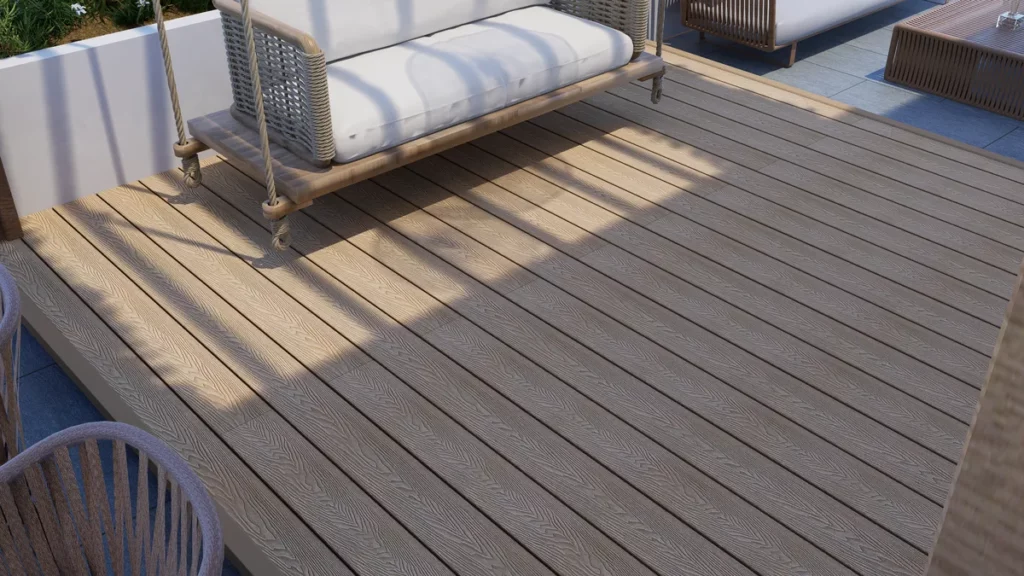
Gap Between Decking Boards
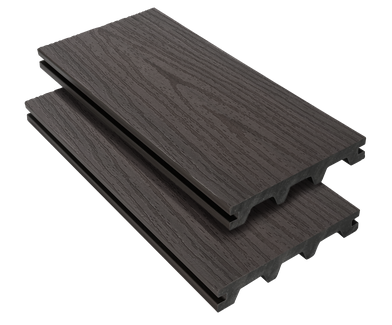
Think of your WPC Decking like a living, breathing entity. Just as we expand in the heat and huddle up in the cold, these composite boards respond to their environment. Made from a clever blend of wood fibers and recycled plastics, WPC Decking is designed to be durable and beautiful, but it needs room to “move” throughout the seasons.
The Science of Movement
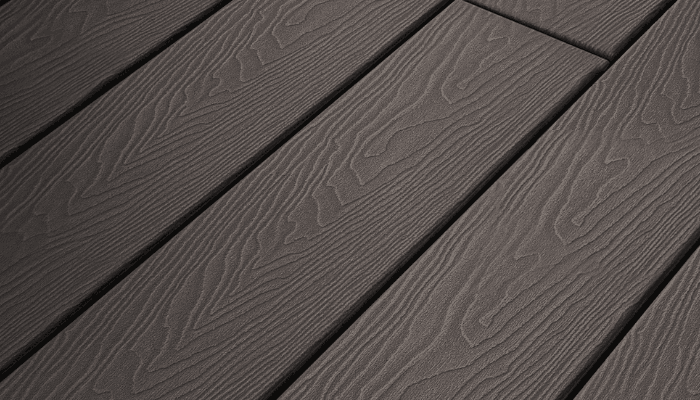
During those hot summer days, your Decking naturally expands as the material absorbs heat. When winter rolls around, it contracts again. Without proper gaps, you’re essentially forcing the boards to fight against each other and their surroundings. Imagine wearing shoes that are too tight – that’s what your Decking feels like without adequate expansion space!
But temperature isn’t the only factor at play. Moisture plays a huge role too, especially in outdoor installations. Those small gaps between boards? They’re actually working hard to keep your Decking healthy by allowing water to drain and air to circulate. It’s like giving your floor room to breathe.
Getting the Gaps Right
So How much space should be between pressure treated deck boards? While there’s no one-size-fits-all answer, here are some general guidelines that have proven successful in both American and European installations:
- Between boards, aim for about 1/8 inch -1/4 inch (3mm-6mm)
- Around fixed objects like walls or posts, leave closer to 1/4 inch- 1/2 inch (6mm-12mm)
Feelingwood Tip: If you’re installing in an area prone to extreme temperature fluctuations or high levels of direct sunlight, consider increasing the measurements slightly. Better safe than sorry!
When Things Go Wrong
We’ve all seen what happens when these guidelines are ignored – buckled floors, warped boards, and in worst-case scenarios, complete floor failure. The most common issues typically show up in three scenarios:
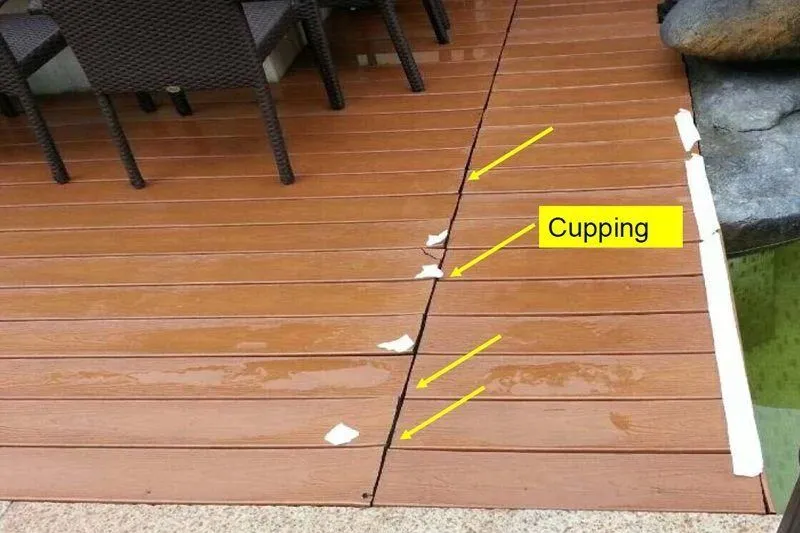
During heat waves, when boards expand but have nowhere to go
In high-moisture environments where proper drainage wasn’t considered
When the Decking was installed too tight against walls or fixed objects
The Bottom Line
Installing WPC Decking isn’t just about laying boards down – it’s about understanding how this modern material lives and breathes in your space. Whether you’re tackling a DIY project or working with professionals, remembering these principles will help ensure your Decking looks beautiful and performs well for years to come.
Remember: The small gaps you leave today are your floor’s insurance policy for tomorrow. They might seem insignificant now, but they’re crucial for the long-term success of your installation. So it is necessary to keep the gap between the deck boards.