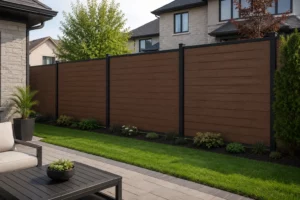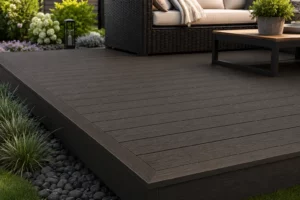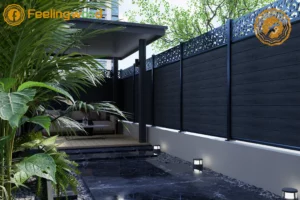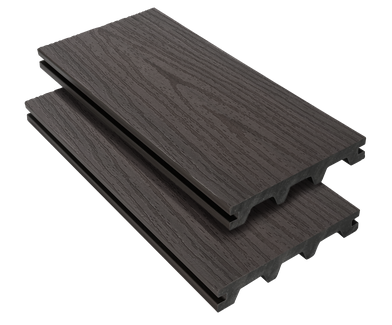
Many homeowners choose WPC cladding because it is known for low maintenance. But after months of rain, wind, pollen, and daily outdoor exposure, visible dust, bird droppings, moss, or rain marks may still appear on the surface. That creates a practical hesitation: should you clean it, or could the wrong method damage the WPC finish?
The answer depends on understanding what affects the surface, which cleaning habits are safe, and how seasonal conditions change maintenance needs. This WPC cladding maintenance guide explains how to protect exterior panels through gentle cleaning, simple inspection, and avoiding unnecessary treatments that may do more harm than good.
What Makes WPC Cladding Finish Vulnerable?
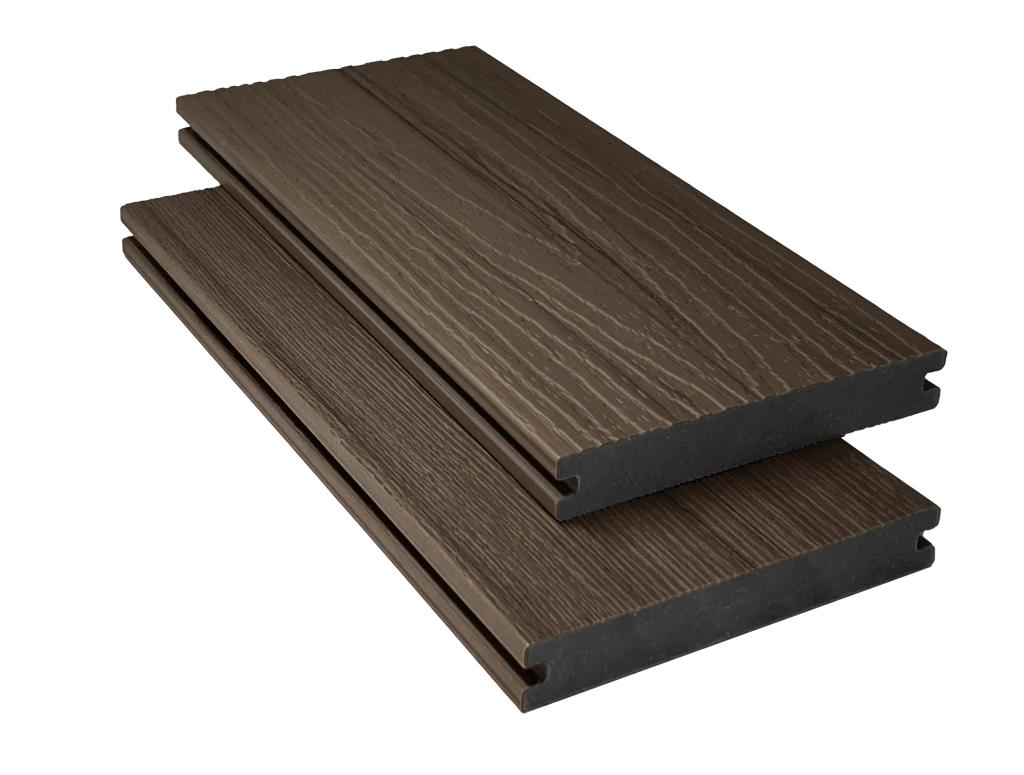
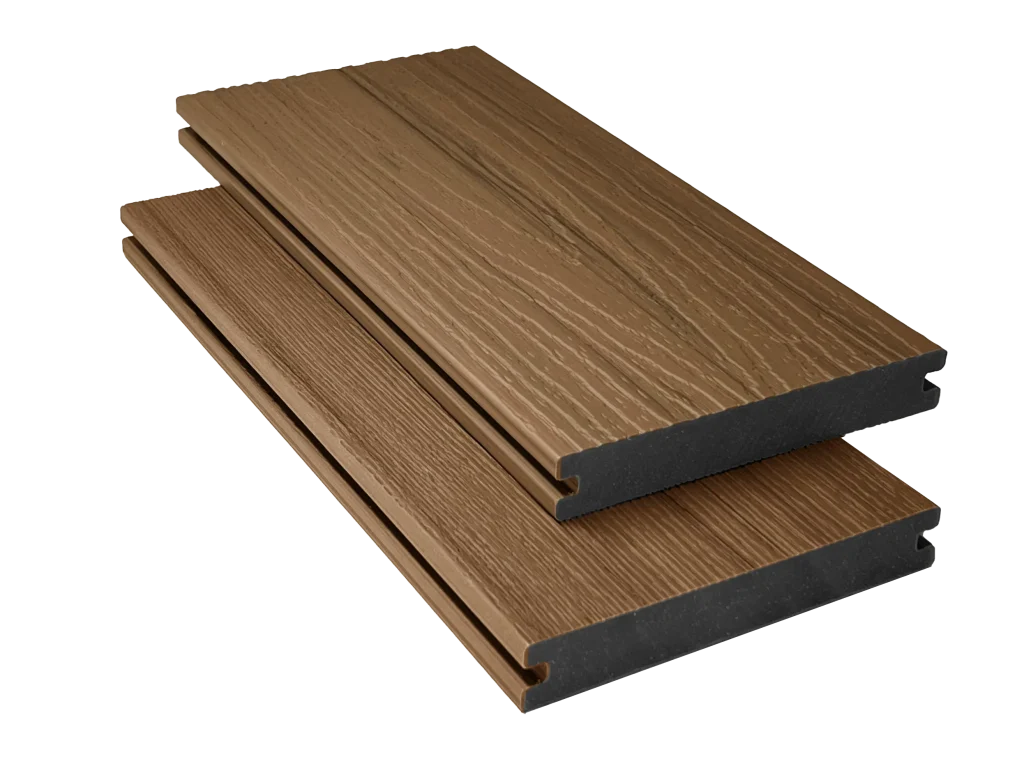
Many modern WPC cladding products, especially co-extruded designs, use a co-extruded protective layer over the core material. This outer layer helps create the visible color, wood-like texture, UV protection, stain resistance, and overall surface finish homeowners see and touch. Although WPC cladding is made for exterior use, this finish still needs to be protected from unnecessary wear.
Most surface issues do not come from normal dust, light rain, or everyday outdoor exposure. They are more often caused by mechanical scratch, strong chemicals, or high-pressure water used too close to the boards. A stiff brush, concentrated cleaner, or aggressive pressure washing can leave marks that are harder to correct than ordinary dirt.
That is why WPC cladding maintenance should focus on gentle cleaning rather than heavy treatment. For readers who want the basic material context first, What Is WPC Cladding and Why Is It Used in Modern Homes? offers a useful starting point before choosing any cleaning method.
Safe Cleaning Practices: Common Mistakes vs Correct Approach
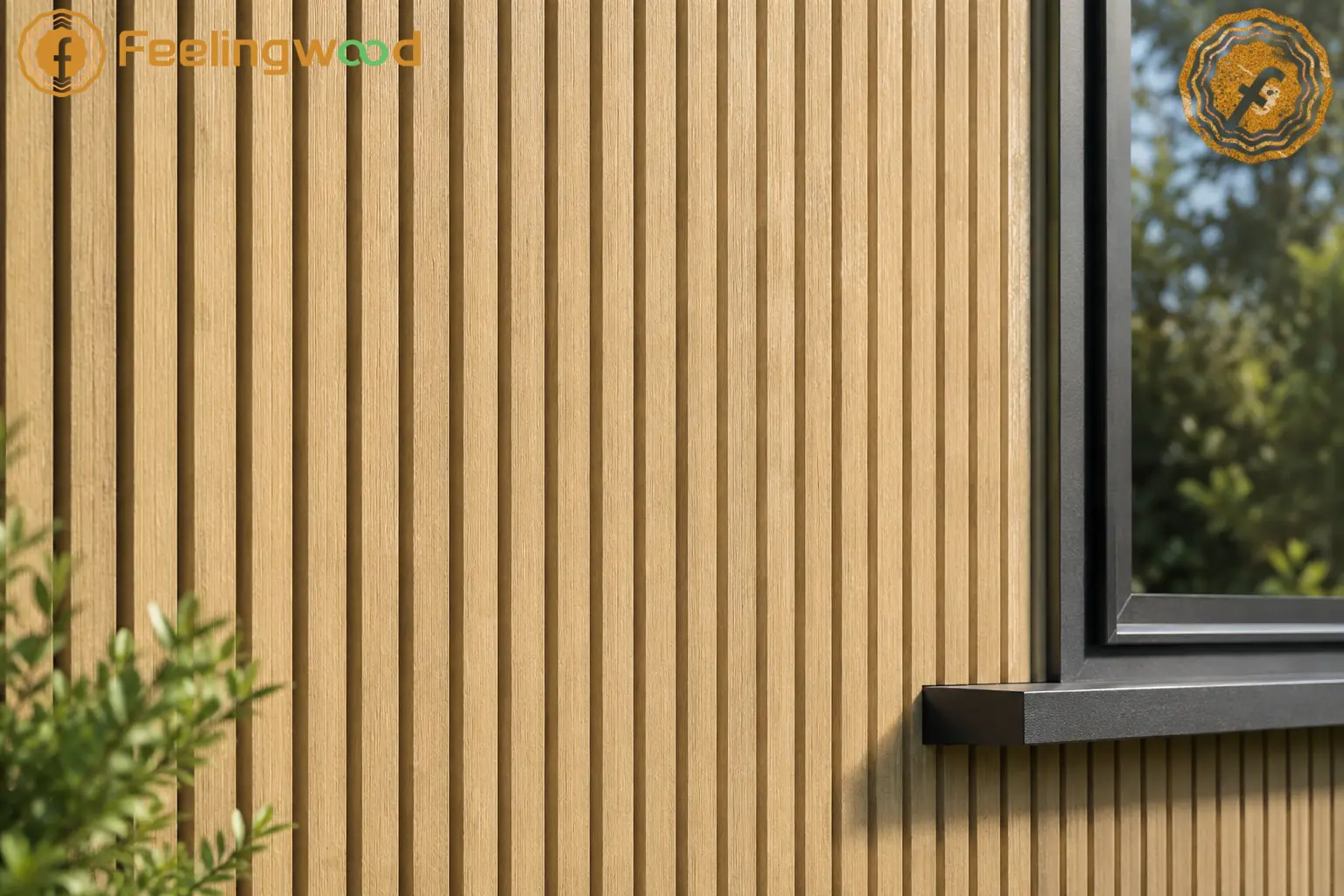
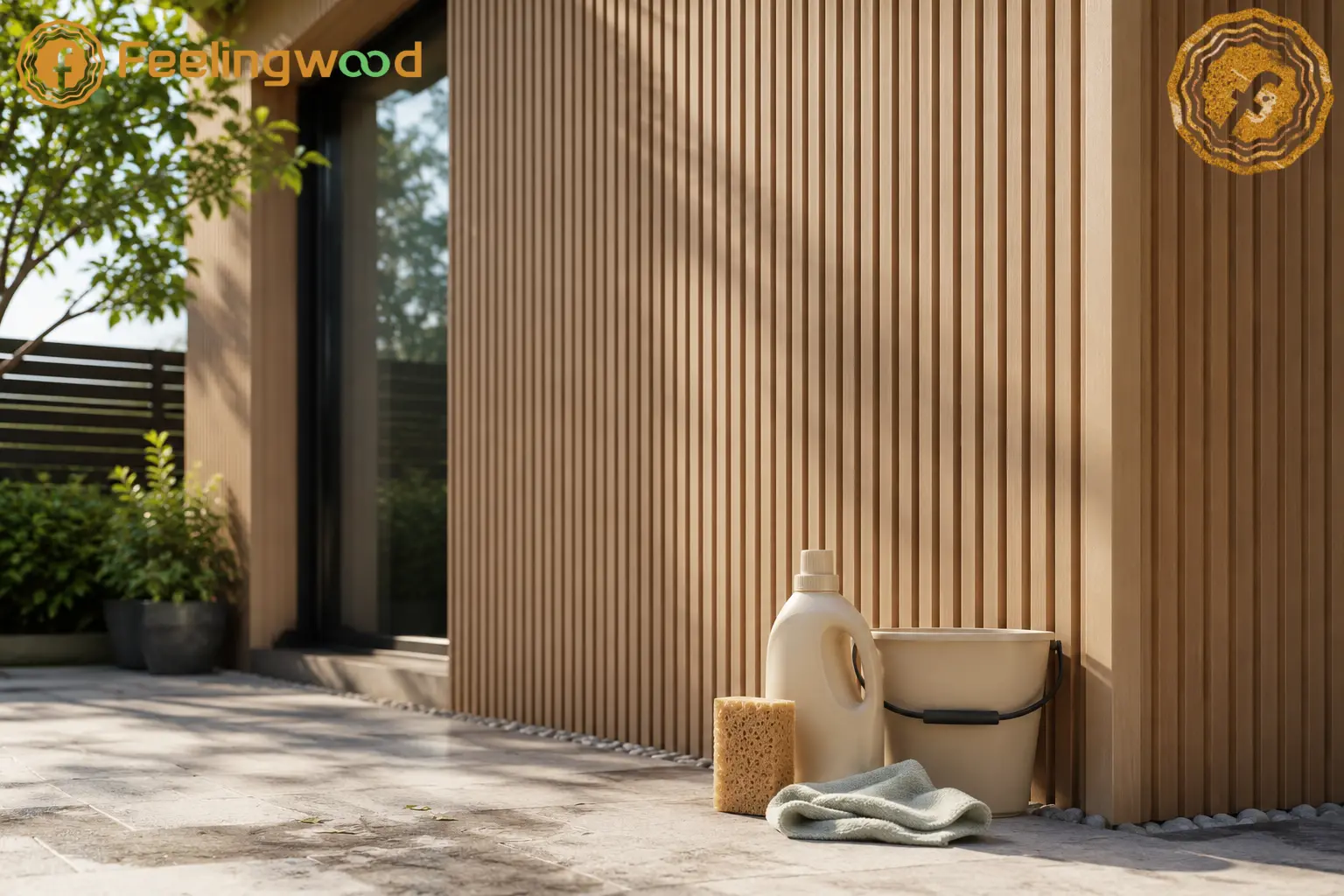
Safe WPC cladding maintenance starts with understanding that most visible dirt does not require aggressive treatment. A soft cloth, sponge, mild detergent, gentle brushing, and a safe garden hose are usually enough for dust, pollen, rain marks, or light surface buildup. The goal is to loosen dirt from the finish, not to scrub the surface until it looks newly installed.
| Common Mistake | Correct Approach |
| Using a hard brush or metal tool on visible stains | Use a soft cloth or sponge with mild detergent |
| Spraying high-pressure water close to the boards | Rinse gently with a garden hose from a safe distance |
| Applying strong chemicals for faster results | Choose a mild cleaner and test a small area first |
| Scrubbing one area repeatedly with force | Use gentle brushing and allow the cleaner to work |
| Waiting until dirt becomes heavy | Remove visible debris before it builds up |
This comparison helps homeowners avoid unnecessary surface stress. WPC cladding maintenance is not about cleaning more often or using stronger tools. It is about choosing a safe method when cleaning is actually needed. Since Canadian outdoor spaces often include more than one WPC surface, the same gentle-care logic also applies to decking and fencing. This is why the broader maintenance ideas discussed in 3 Smart WPC Maintenance Tips for Canadian Climate: Protect Your Decking, Fencing and Cladding can help homeowners build a more consistent care routine across the whole exterior space.
Seasonal Maintenance Logic for Canadian Homes
For Canadian homes, seasonal WPC cladding maintenance should follow the type of exposure the wall receives, not a fixed cleaning frequency. After winter, spring usually leaves pollen, dust, and light residue on the finish. These marks are mostly about appearance, so the surface only needs gentle refreshing rather than heavy cleaning.
As the weather becomes warmer, summer sunlight, humidity, garden activity, and bird droppings can make visible stains stand out more clearly. The concern is not that the finish is fragile, but that some marks may become harder to remove if they stay through repeated heat and moisture.
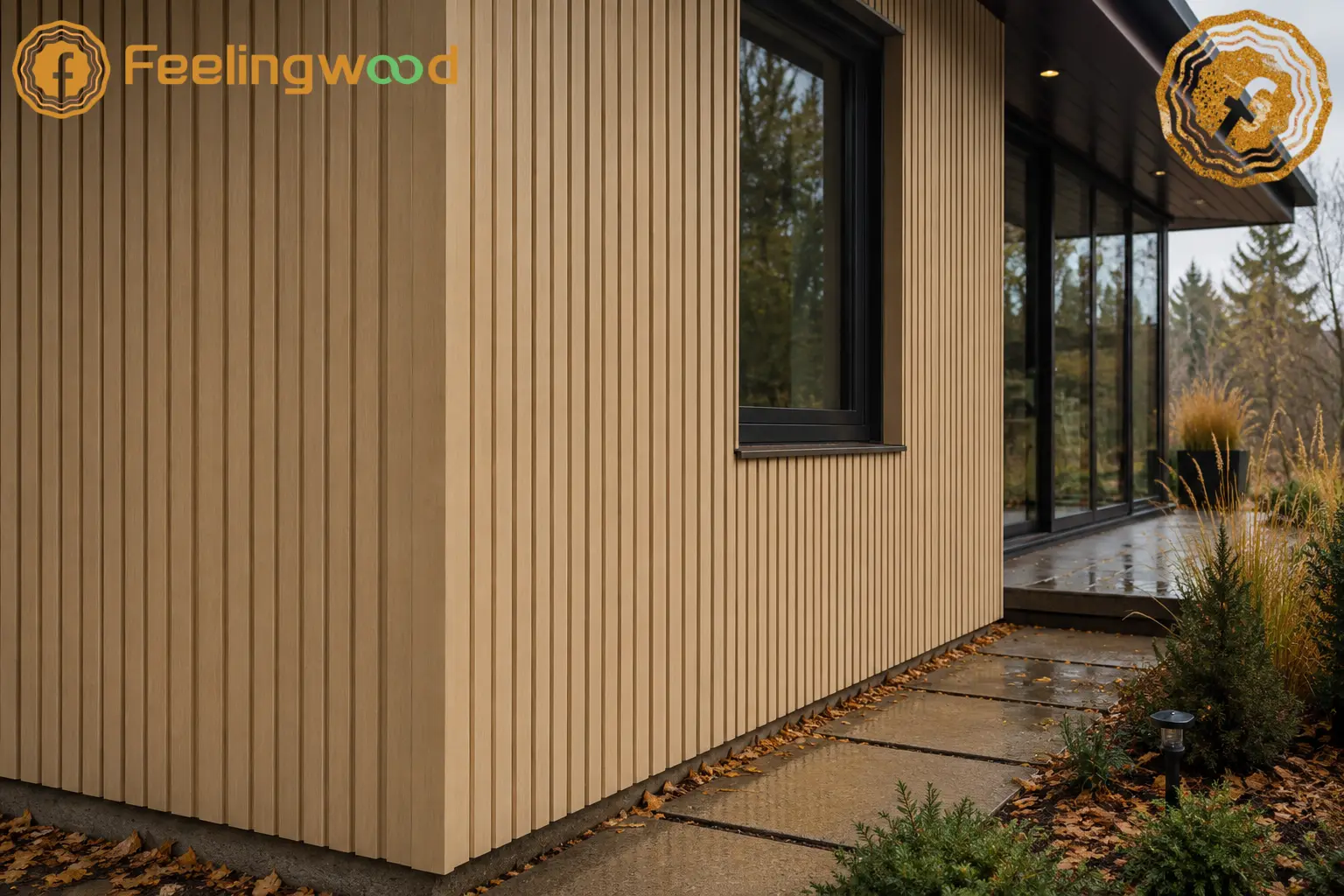
By autumn, the maintenance logic shifts again. Fallen leaves and organic debris can collect near corners, joints, and lower wall areas, where they may hold moisture against the surface. In winter, snow melt, zero-degree temperature changes, and iced surfaces require even more patience. Scraping frozen dirt may create unnecessary stress, so the safer approach is to wait for milder conditions and use soft rinsing only when the surface is ready.
Avoid Overprotecting: What Homeowners Should Not Do
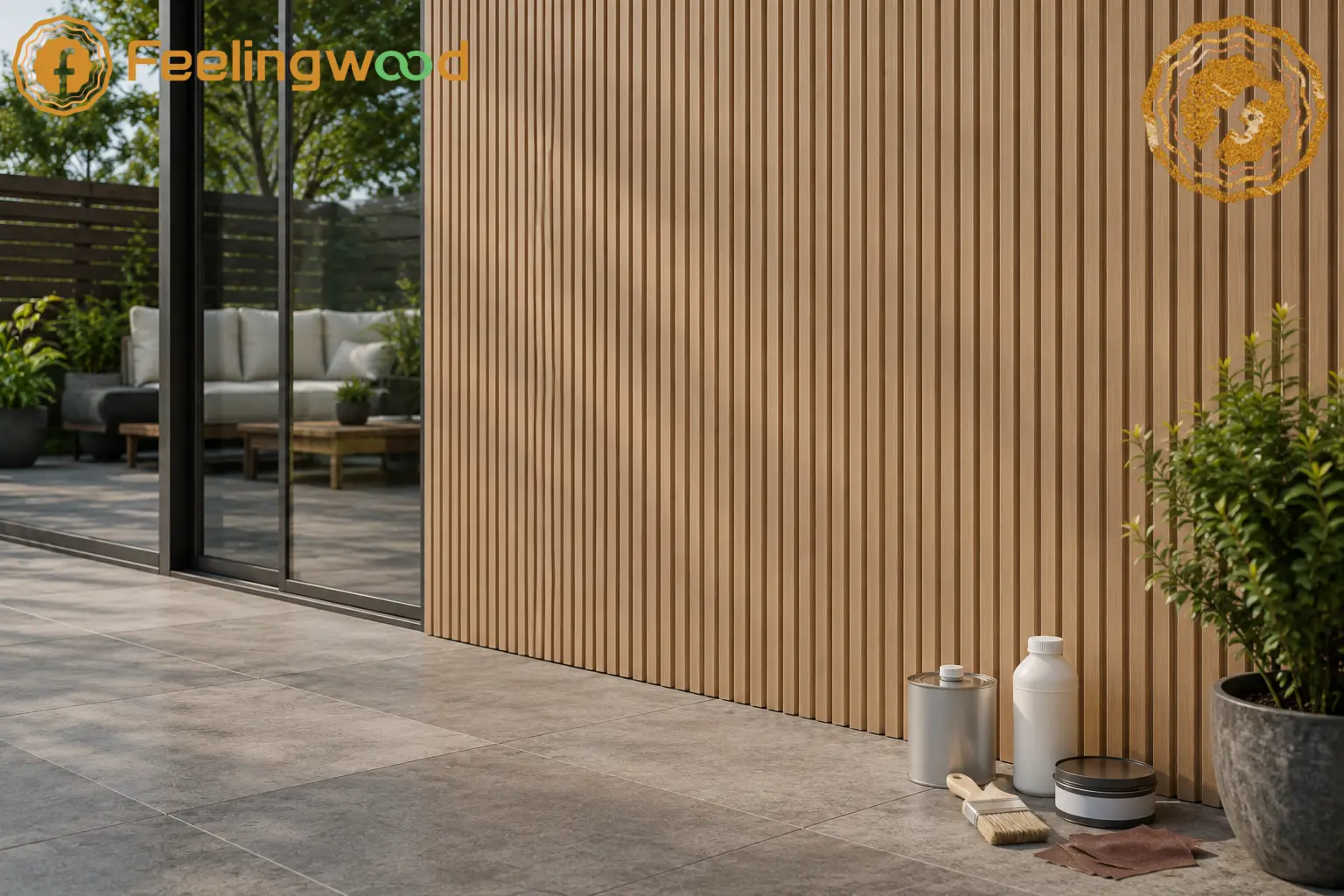
One key maintenance difference between WPC cladding and natural wood is that WPC does not usually require additional surface treatments after installation. For homeowners who are familiar with wood wall panels, this means that painting, wood oil, sealants, wax, or polishing products are generally not part of regular WPC cladding maintenance.
These treatments may create unintended surface issues. Paint, wood wax oil, or sealants can alter the original appearance, affect how the surface finish performs, or cause uneven discoloration over time. Automotive wax and polishing products are also unnecessary for WPC cladding and may leave a film that is difficult to remove. Sanding local stains should also be avoided because it can directly damage the visible texture.
In most cases, WPC cladding maintenance should focus on preserving the original finish rather than adding extra protection. Gentle cleaning and regular observation are usually more suitable than treatments designed for other material types.
Visual Inspection Matters More Than Frequent Cleaning
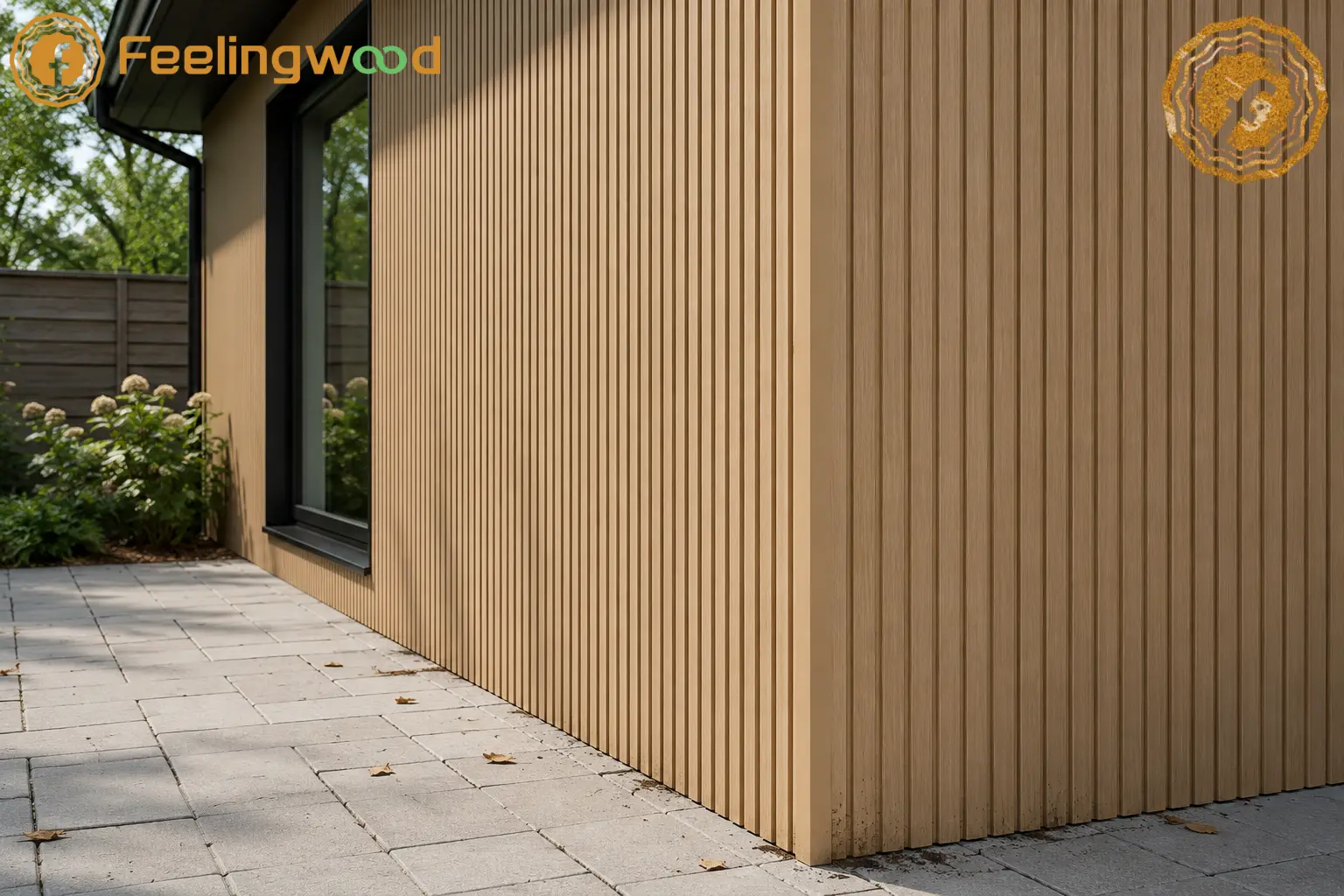
WPC cladding maintenance does not need to be measured by how often the surface is washed. In many cases, visual inspection is more useful because it helps homeowners understand whether cleaning is actually needed. Joints, corners, edges, and lower wall areas are worth noticing because these locations are more likely to collect debris, soil splash, or signs of blocked surfaces.
This does not mean every mark needs immediate treatment. Minor scratches, light dust, or natural fading should be viewed in context. Outdoor cladding is constantly exposed to sunlight, rain, wind, and seasonal changes, so small visual differences may be part of normal exterior use rather than a sign of failure. The purpose of inspection is to recognize buildup early before moisture or organic material stays against the finish for too long.
This practical mindset also connects with the broader maintenance expectations discussed in 6 Essential Insights About WPC Maintenance Every Canadian Homeowner Should Know, especially for homeowners comparing decking, fencing, and cladding care.
Gentle Care for Long-Lasting WPC Finish
Long-term WPC cladding maintenance is mainly about knowing when to act and when to leave the finish alone. Gentle care, light cleaning, and regular visual inspection help protect finish integrity without adding unnecessary surface stress. WPC durability is supported by the material itself, but everyday treatment still affects how clean, stable, and refined the exterior wall looks over time.
For Canadian homeowners, this means maintenance should feel manageable rather than demanding. A well-kept surface can continue to suit patios, gardens, entryways, and sun-facing walls through pollen, rain, snow melt, and sunshine. The goal is not to make WPC cladding look untouched, but to keep it clean, balanced, and comfortable as part of daily outdoor living.
This is also where system-focused brands such as FeelingWood fit naturally. By viewing cladding as part of a broader outdoor WPC system, gentle care becomes less about constant cleaning and more about preserving a low-maintenance, lived-in exterior space.