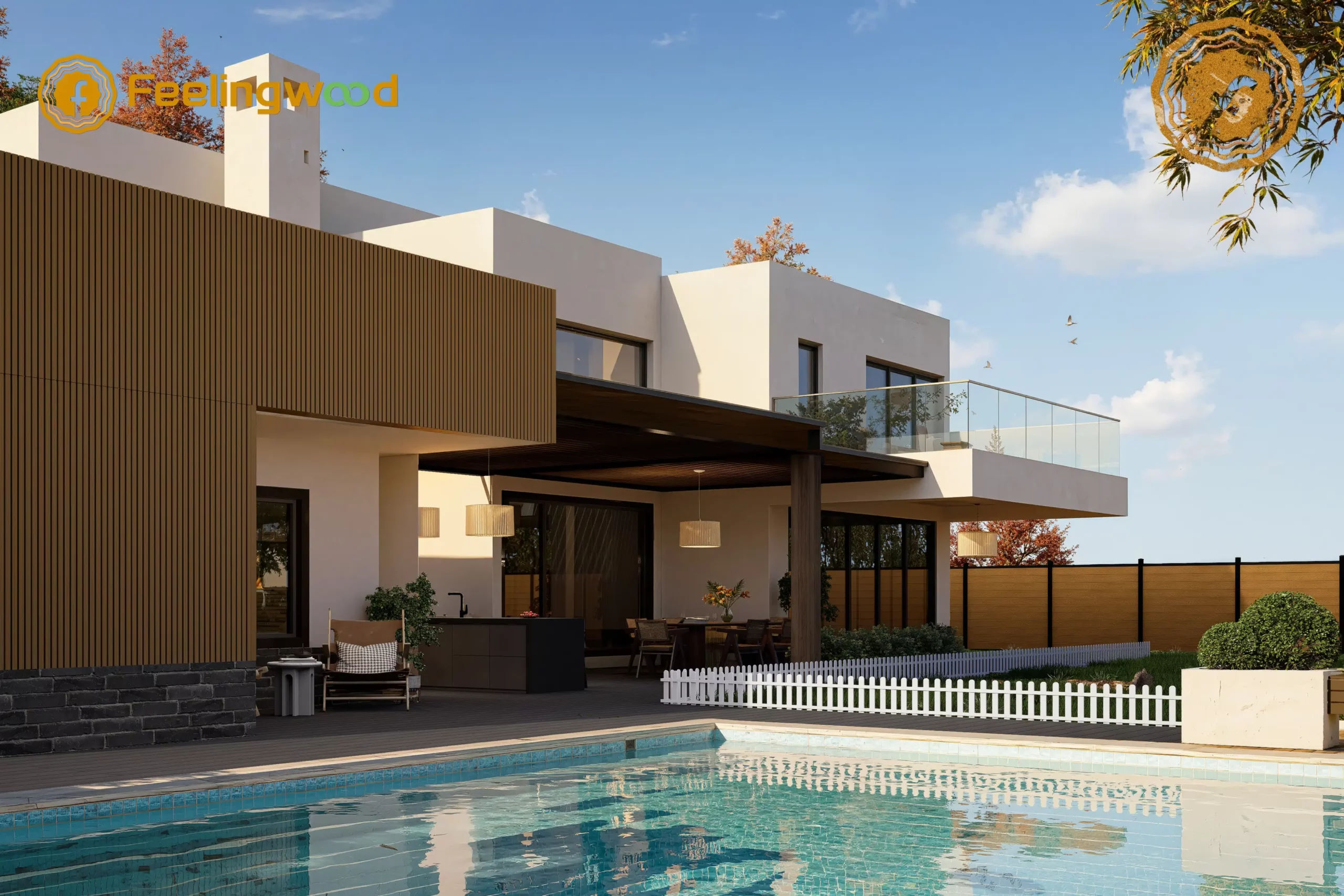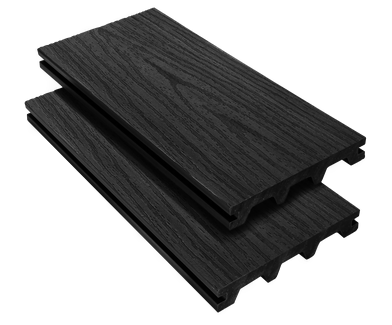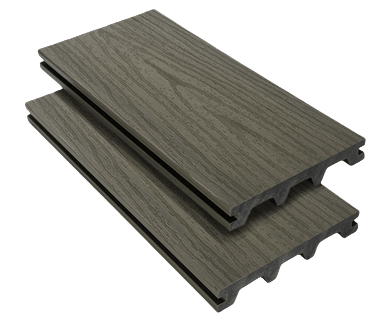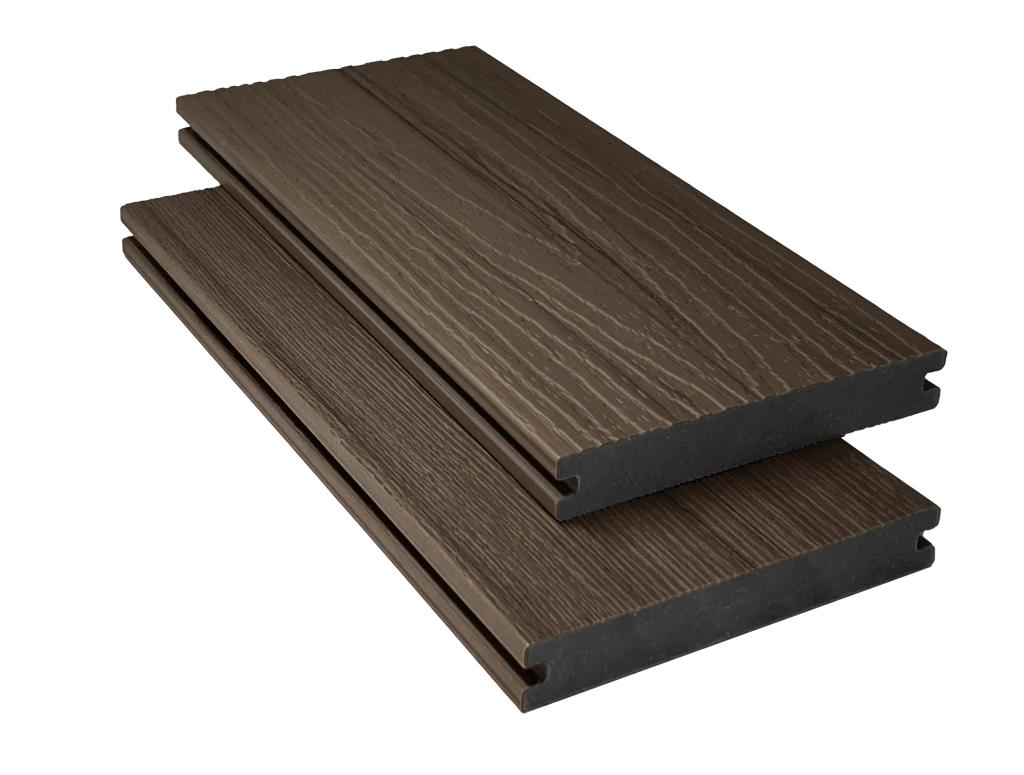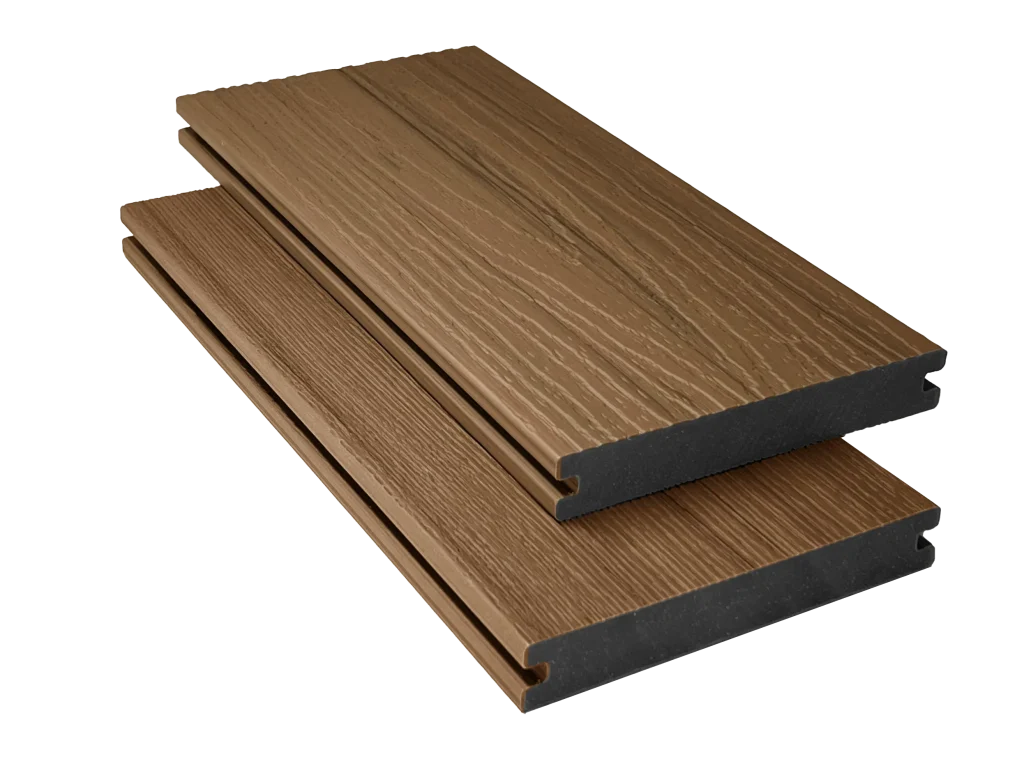
WPC, known for its strong weather resistance and low maintenance requirements, has become a preferred choice for outdoor residential renovations in Canada. However, Canada’s unique climate — characterized by harsh winter freeze-thaw cycles, intense summer UV exposure and rainfall, and fluctuating temperatures during spring and autumn — can still cause potential wear to WPC materials. Neglecting proper maintenance not only affects their appearance but may also shorten their service life. Based on the climatic conditions in Canada, this article details maintenance methods for WPC decking, fencing, and cladding, helping you prolong its lifespan and preserve its aesthetic appeal over the long term.
Why Maintenance Matters for WPC Materials in Canada
Effective WPC maintenance in Canada is key to extending service life and ensuring stable performance, going beyond mere aesthetics or damage prevention.
From a long-term perspective, although WPC materials are naturally weather-resistant, prolonged outdoor exposure in Canada’s repeated freeze-thaw cycles, intense UV radiation, and high-humidity environments can gradually affect their surface condition and structural integrity. Proper maintenance helps slow down such natural wear and tear, enabling WPC materials to retain their appealing appearance and functional performance over time. This approach prevents issues such as fading and cracking caused by long-term neglect, ultimately reducing the need for future repairs or replacements and maximizing its long-term value in use.
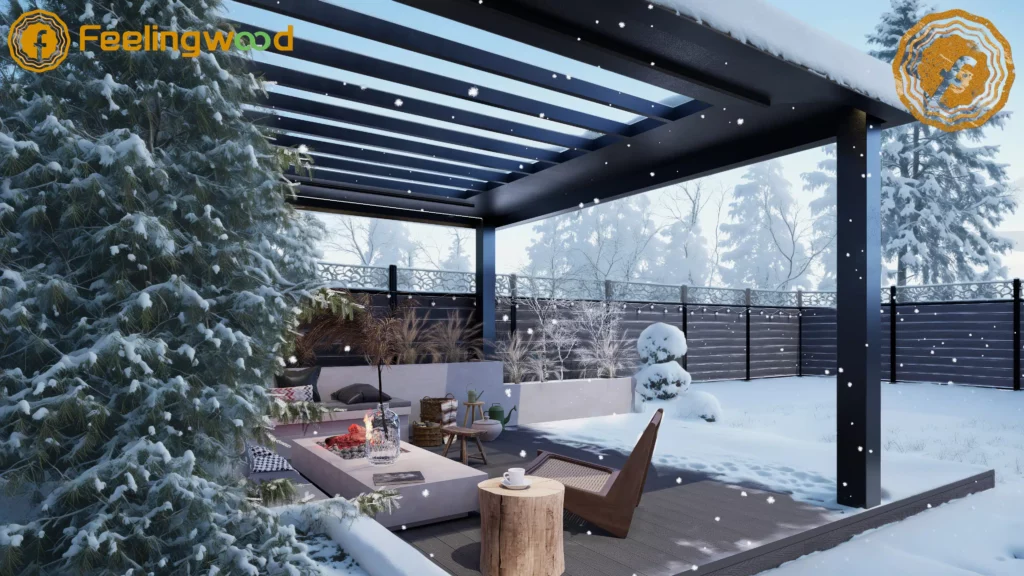
How Canadian Climate Affects WPC Maintenance Needs
The uniqueness of the Canadian climate directly determine the maintenance priorities and frequency required for WPC materials, which is also the fundamental reason why their maintenance needs differ from those in other regions.
During the long, harsh winters, repeated freeze-thaw cycles can cause residual moisture in WPC gaps to freeze and expand, potentially leading to micro-cracks on the surface. Over time, this may compromise structural stability. In summer, intense sunlight and UV exposure accelerate surface aging and fading, while high humidity in rainy regions such as British Columbia encourages mold growth and dirt accumulation. In spring and autumn, fluctuating day-night temperatures cause WPC materials to repeatedly expand and contract, further testing the durability of surface coatings and joint stability.
It is precisely the combination of these climatic factors that makes tailored maintenance essential for WPC materials in Canada, ensuring they can withstand the ongoing challenges of the outdoor environment.
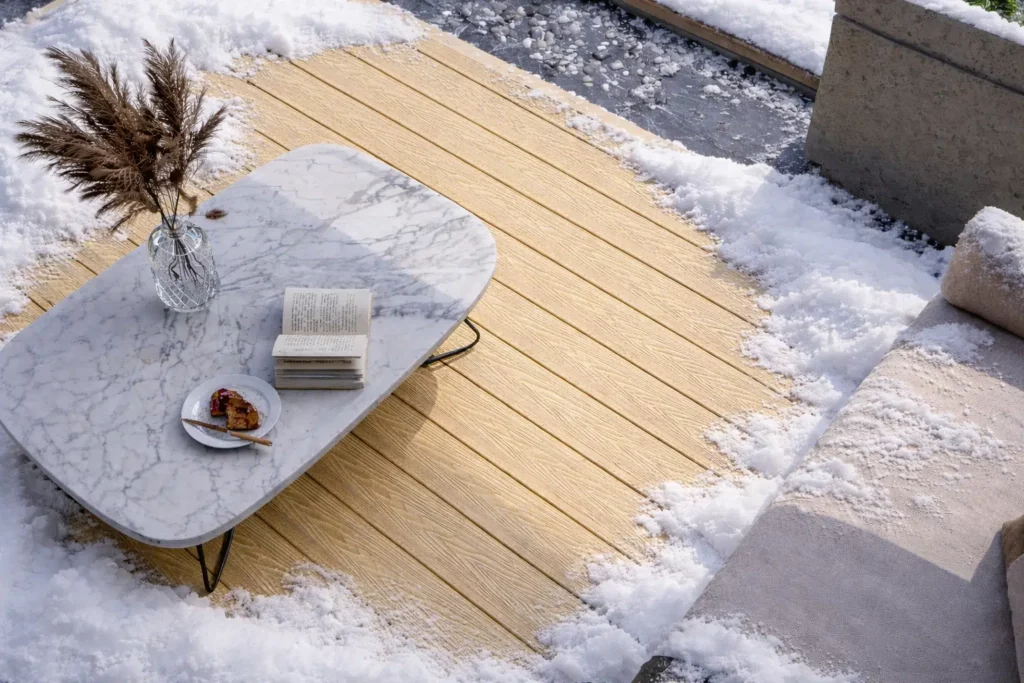
Maintaining WPC Decking in High-Exposure Outdoor Areas
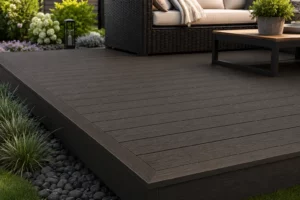
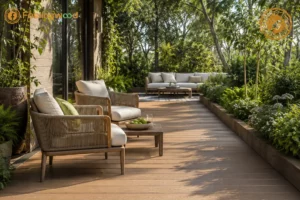
As a high-frequency outdoor decking material, WPC decking is consistently subjected to foot traffic, weather exposure, and daily wear. Therefore, WPC decking maintenance should focus on surface cleaning and preservation to ensure its slip resistance and aesthetic appeal.
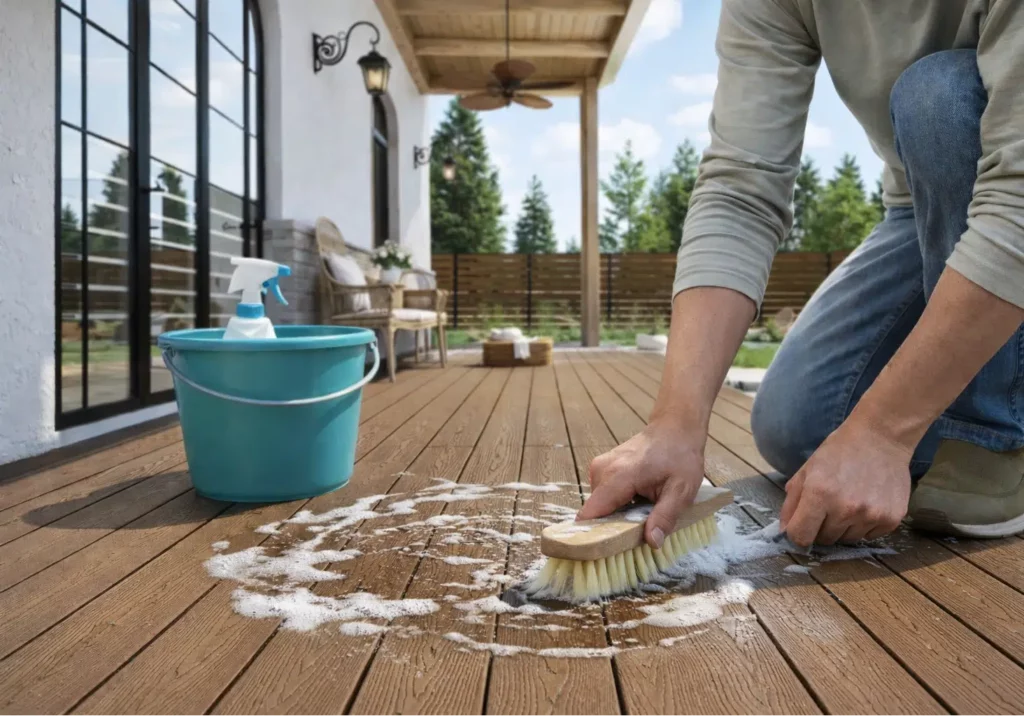
Regular cleaning is essential. To address dust and stains from frequent foot traffic, sweep the surface weekly with a soft brush or broom. Monthly cleaning with warm water mixed with a mild detergent helps remove stubborn residues like food spills or grease. For deeper dirt buildup, a pressure washer can be used—taking care to avoid damaging the surface texture.
Given its role in outdoor living environments, maintaining slip resistance is crucial. Clear standing water promptly after rain to prevent slippery surfaces caused by mixed water and dust. If the anti-slip texture wears down, a specialized WPC anti-slip coating can be applied. Additionally, avoid dragging heavy items across the deck and periodically reposition outdoor furniture to prevent permanent deformation from prolonged pressure.
These practices will effectively extend the deck’s lifespan. For a deeper understanding of how maintenance aligns with climate conditions, a detailed analysis in Is WPC Decking Suitable for Canadian Climate? provides further insight.
Maintaining WPC Fencing for Appearance and Stability
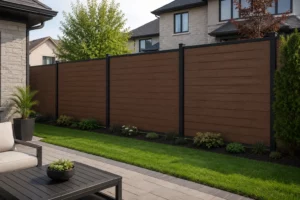
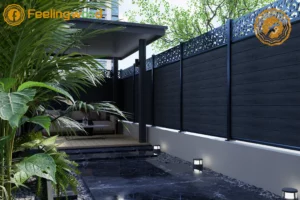
As an important component of residential boundary, WPC fencing is consistently subjected to outdoor exposure. The core of WPC fencing maintenance lies in preserving its appearance and structural stability, preventing issues such as loosening or fading due to weather impacts.
For appearance upkeep, regularly remove dust, fallen leaves, and mildew spots from the fence surface. Use a soft brush with a mild detergent, followed by a thorough rinse with clean water. Special attention should be paid to clearing debris from gaps between panels to prevent decay, surface staining, or drainage blockage. For minor fading caused by UV exposure, frequent refinishing is unnecessary—applying a UV-protective treatment every 2–3 years can effectively slow down discoloration.
Maintaining structural stability is equally important. Inspect fence posts and connectors every six months. If screws are loose or gaps at joints have widened, reinforce or replace the parts promptly. In windy regions, pay extra attention to the fixation between posts and the ground to prevent the fence from leaning during strong winds.
By following these maintenance practices, WPC fencing can retain a clean appearance while ensuring its boundary security function remains reliable over time. For more detailed guidance, further maintenance insights are provided in What Is WPC Fencing and Is It Suitable for Canadian Homes?.
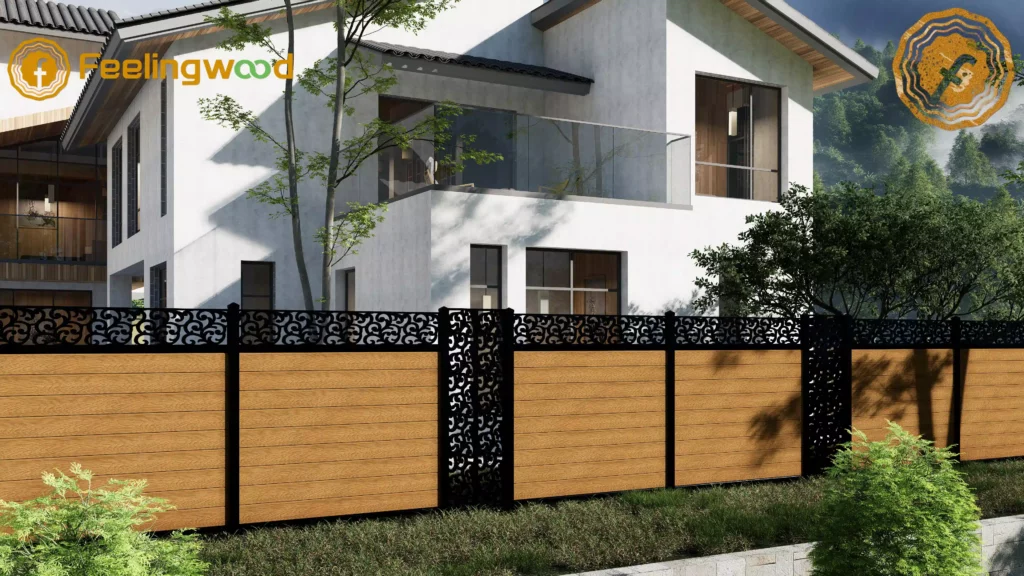
Maintaining WPC Cladding on Exterior Walls
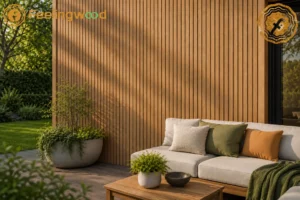
As a key component of building exterior walls, WPC cladding is consistently exposed to wind, rain, and shifting weather conditions over time. The focus of WPC cladding maintenance lies in preserving the aesthetic appeal and waterproof performance of the facade, preventing issues such as coating degradation or water seepage caused by long-term weather exposure.
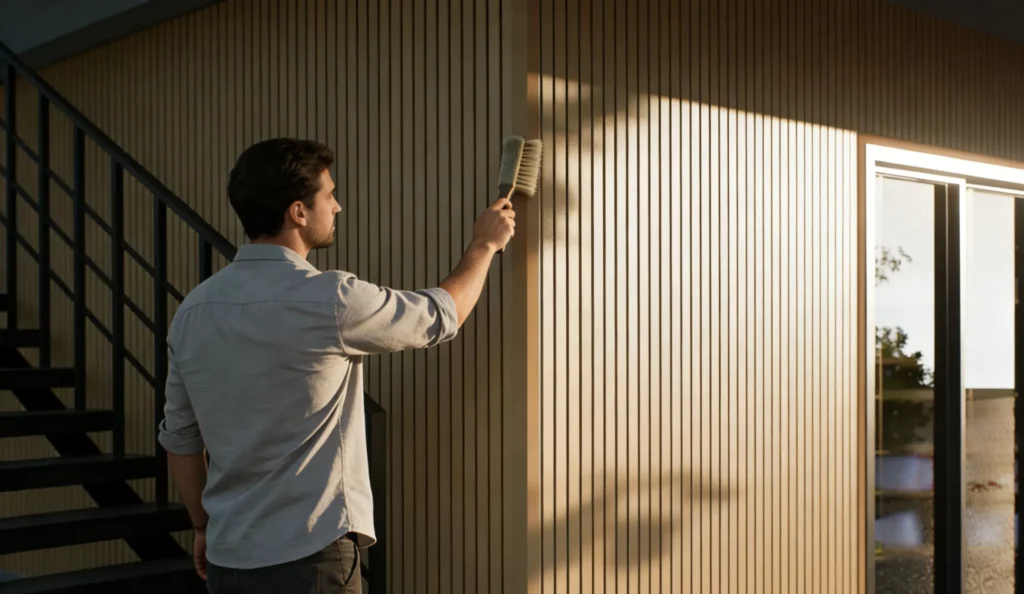
Routine maintenance primarily involves surface cleaning. A thorough cleaning should be conducted twice a year, ideally in spring and autumn. Use a soft brush to remove dust and leaves from the grooves of the cladding, followed by rinsing with warm water. For stubborn stains, a mild detergent can be applied with gentle wiping—avoid corrosive chemicals that may damage the surface coating. Special attention should be given to the joints between panels. Inspect the sealant annually, and if shrinkage or cracking occurs, replace it promptly with low-temperature-resistant, anti-aging silicone sealant to prevent rainwater from penetrating the gaps and affecting the wall structure.
For areas with strong UV exposure, such as south- or west-facing walls, apply a specialized protective coating for WPC cladding approximately every three years. This enhances UV resistance and waterproofing, slowing down surface aging. During maintenance, avoid using a pressure washer directly on joints to prevent high water pressure from damaging the sealed structure. These practices help ensure the cladding maintains both an attractive facade and reliable protective performance over the long term.
For more targeted maintenance planning, additional guidance is available in Is WPC Cladding Suitable for the Canadian Climate and Exterior Walls?.
Building a Simple Maintenance Routine for Long-Term Performance
Establishing a low-maintenance WPC care routine that fits naturally into homeowners’ daily habits is key to ensuring long-term performance.
This can be simplified into a core principle: regular cleaning + focused inspection + prompt minor repairs.
- Perform basic cleaning weekly or monthly as part of routine care.
- Conduct quarterly inspections of high-wear areas.
- Carry out a thorough annual cleaning and sealant inspection.
- Apply a deeper protective treatment every 2–3 years.
Using maintenance products suited to the Canadian climate—such as weather-resistant sealants and UV-protective treatments—helps simplify the process while minimizing time and effort. Established WPC brands with local market expertise, such as Feelingwood, often provide tailored maintenance guides that can serve as valuable references. By maintaining these consistent care habits, homeowners can keep their WPC materials stable, durable, and visually appealing for many years.