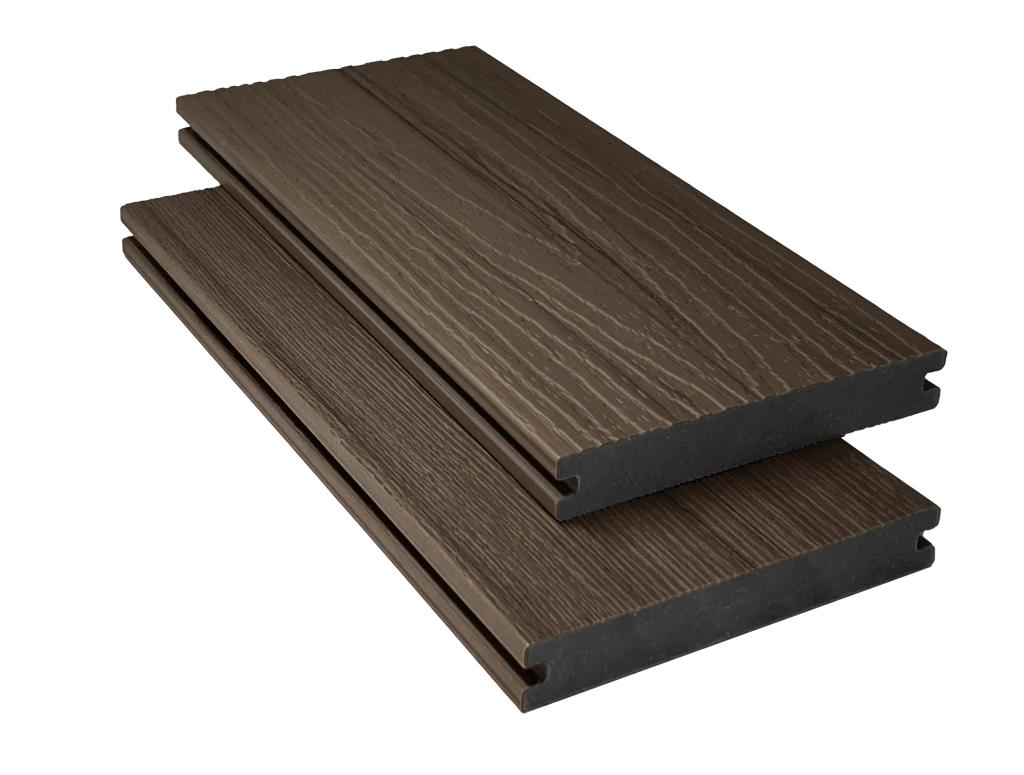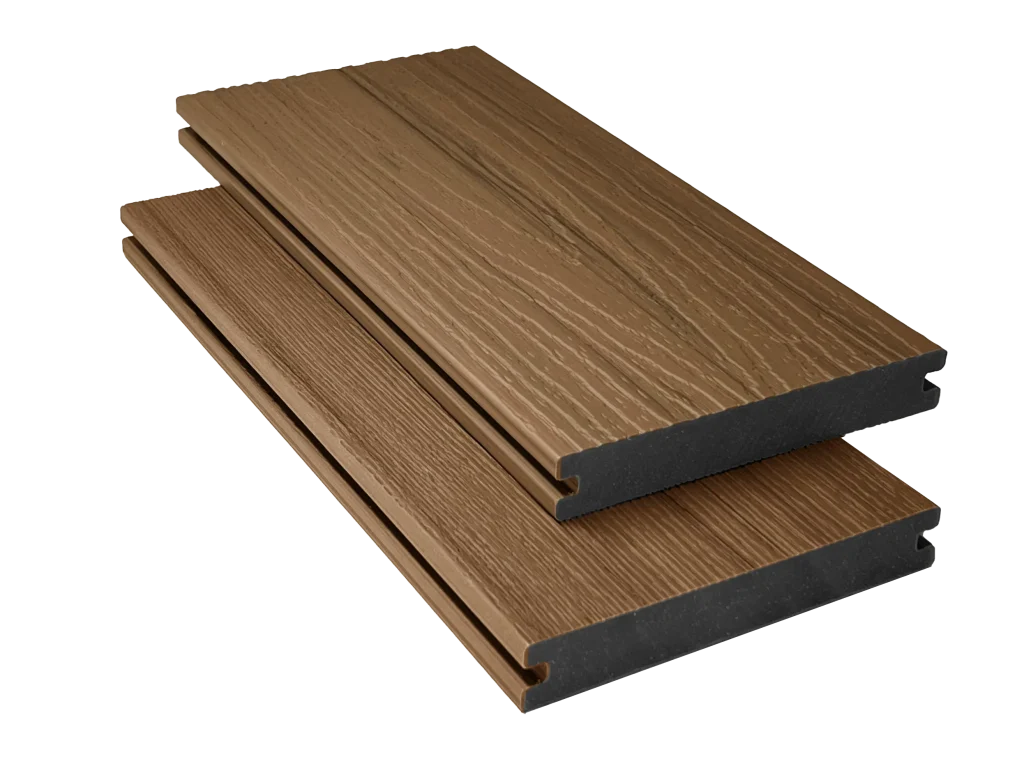
For many Canadian homeowners, creating an attractive and functional outdoor deck is an important part of enhancing their quality of life at home. When selecting decking materials, traditional wood decking and WPC decking are often the two main options that cause hesitation. Each has its own characteristics, and Canada’s unique climate conditions—such as long winters, frequent freeze-thaw cycles, and high humidity—add further complexity to the decision-making process. This article provides a comprehensive comparison of the two materials in terms of their concepts, maintenance requirements, durability, and cost, helping you make the best decision for your needs.
What Is Traditional Wood Decking?
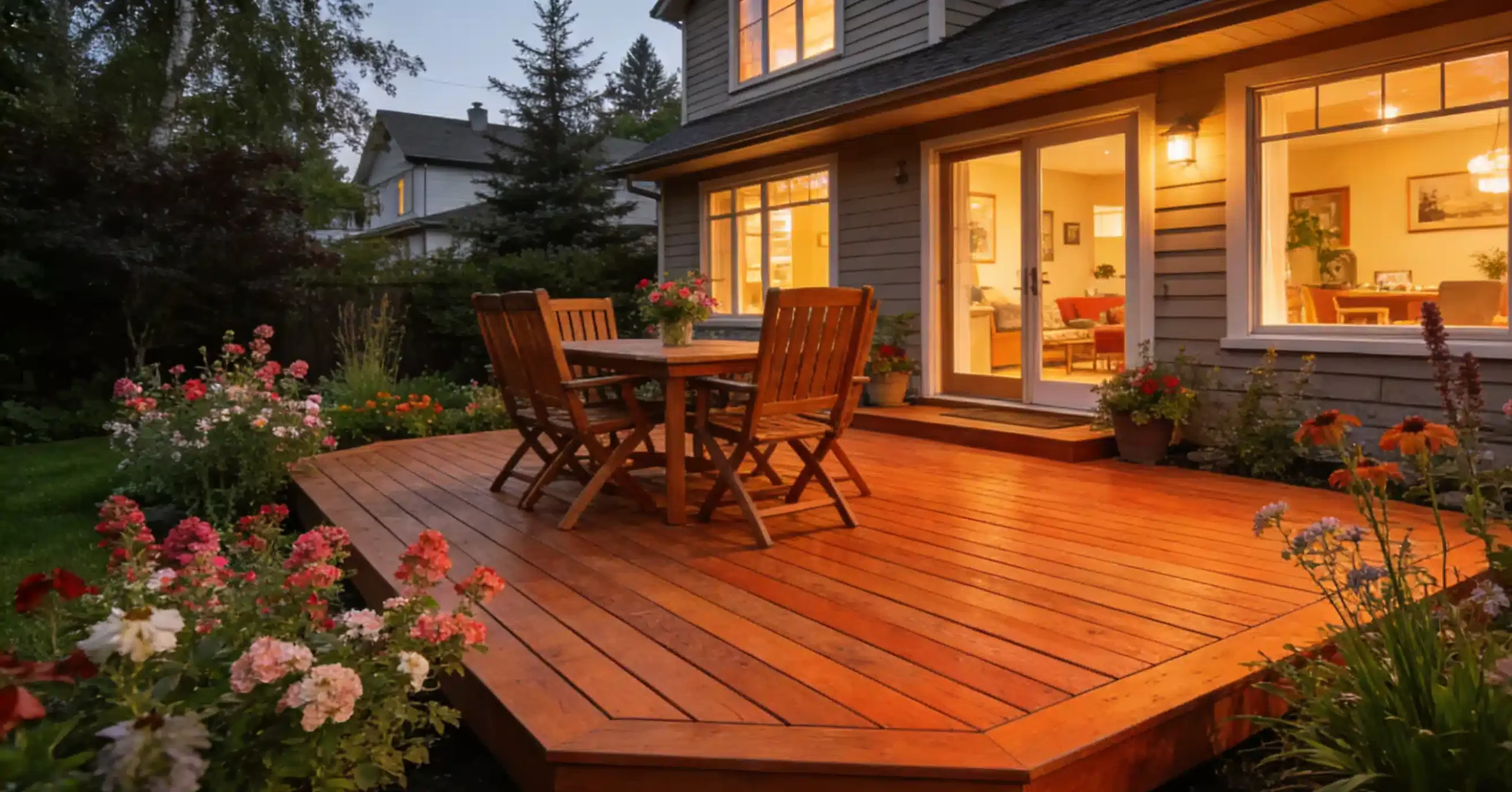
Traditional wood decking, made from natural timber, remains a classic and popular choice for outdoor spaces, valued for its natural grain, warm texture, and rustic appearance. Common types include pressure-treated wood, which is chemically treated for rot and insect resistance and is cost-effective, and cedar decking, known for its natural durability and attractive grain, favored for its aesthetics.
These wood options share the advantage of preserving wood’s natural warmth and visual appeal, blending seamlessly into outdoor environments to create inviting leisure areas. It’s important to note that traditional wood decking is not a uniform category—different woods vary in durability, maintenance, and price. In Canada, choosing the right type should also take into account local climate conditions and the corresponding maintenance needed.
What Is WPC Decking?
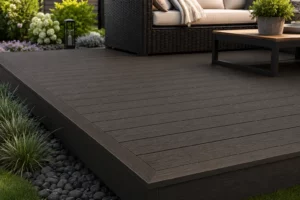
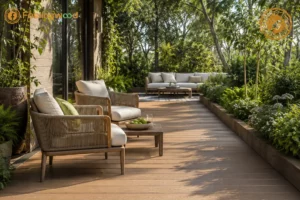
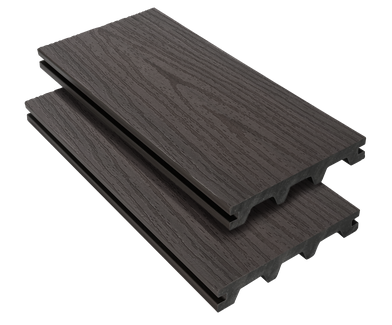
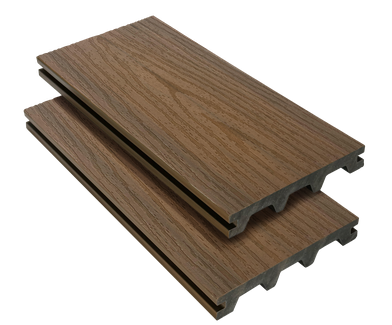
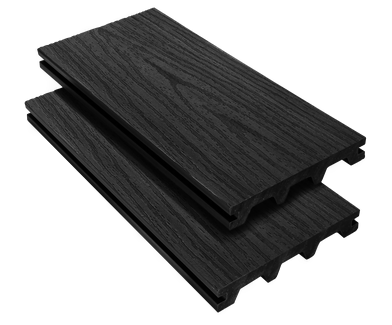
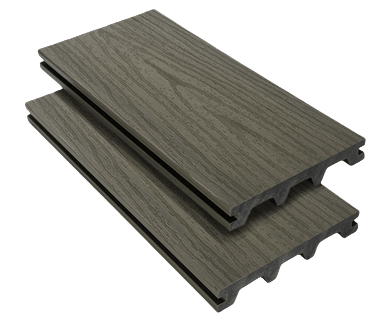
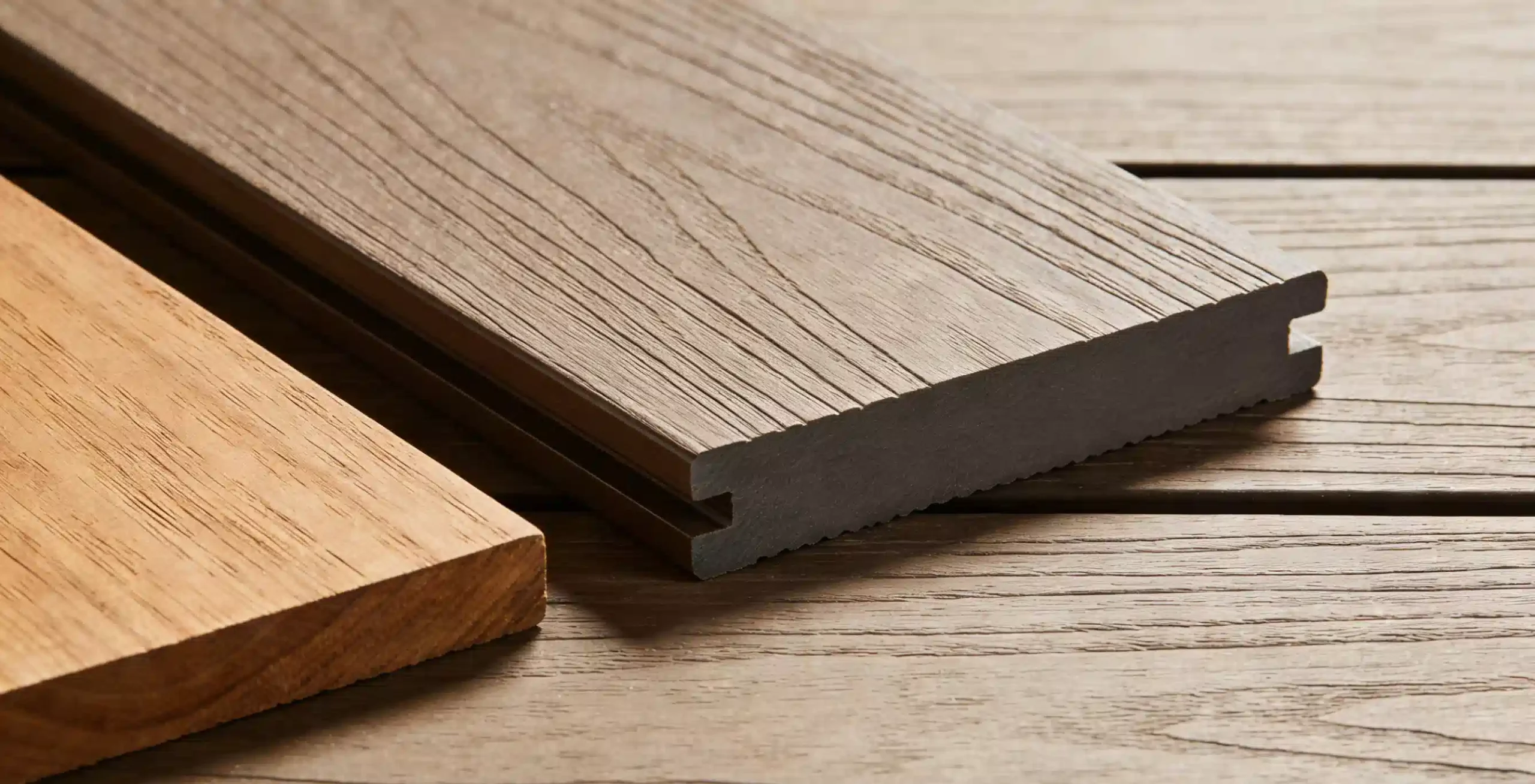
WPC Decking, or Wood-Plastic Composite Decking, is an innovative outdoor material made by blending wood fibers and plastics under high temperature and pressure. Designed to combine the look of wood with the durability of plastic, it mimics natural wood grain and color while addressing common maintenance issues of traditional wood decks. Known for its uniform appearance, variety of colors, and low maintenance, WPC has become a popular choice for modern outdoor living.
To better understand its features and suitability for homes in Canada, you can refer to the article: What Is WPC Decking and Is It Suitable for Canadian Homes?
WPC Decking vs Wood Decking: Maintenance Comparison
For homeowners in Canada, the ease of maintaining outdoor decking directly impacts the long-term user experience. The differences in maintenance requirements between the two are significant:
Maintenance Requirements for Traditional Wood Decking
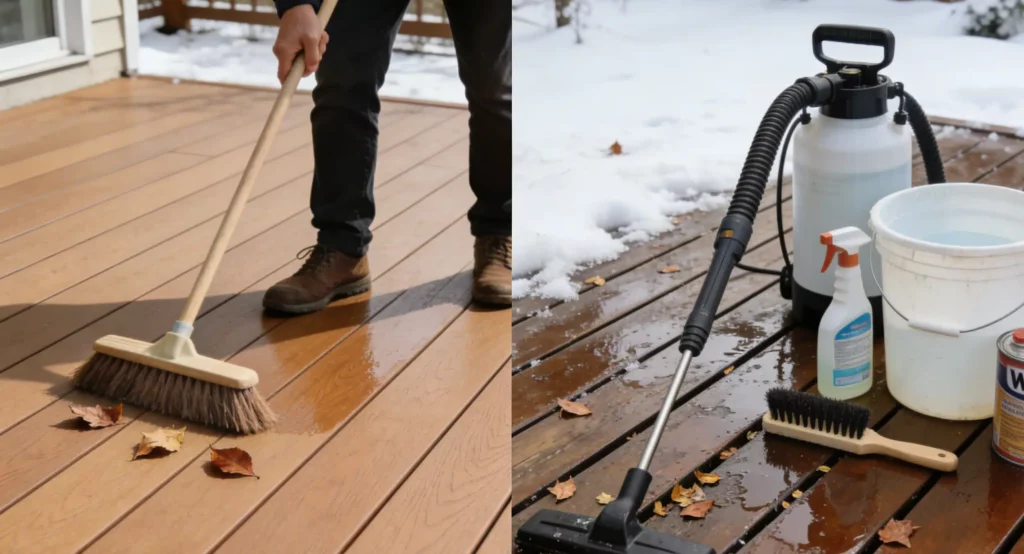
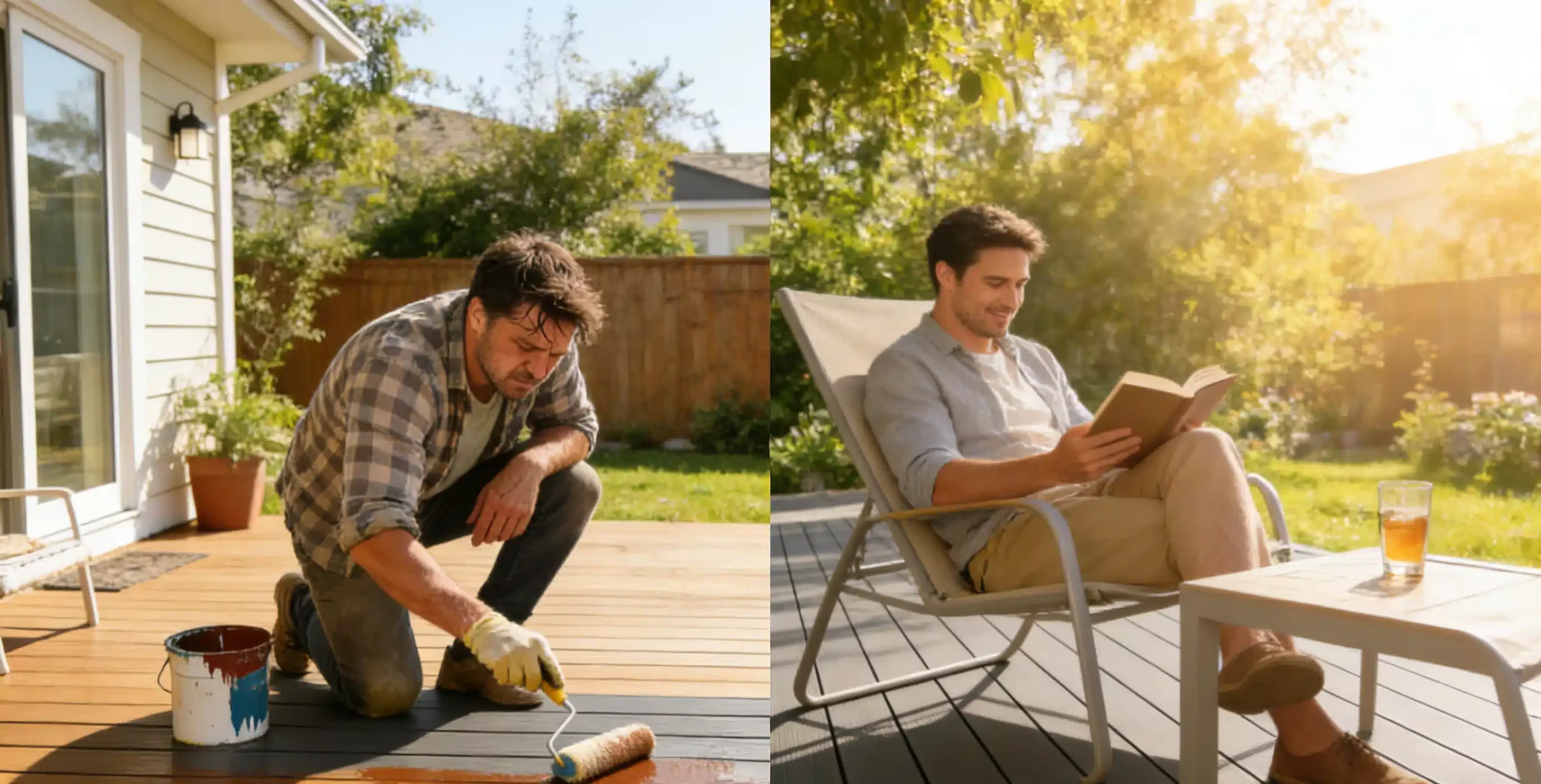
- Regular application of protective coatings: Re-oiling or resealing is needed each spring to prevent cracking and warping.
- Frequent cleaning: Fallen leaves and accumulated dust can easily lead to mold growth, requiring weekly sweeping and more frequent cleaning during the rainy season.
- Periodic sanding and refinishing: Generally needed every 3–5 years to remove aged surface layers and restore appearance.
- Seasonal maintenance: A thorough cleaning and protective treatment before winter is essential to prevent freeze-thaw damage.
Maintenance Requirements for WPC Decking
- Simple routine cleaning: Only requires wiping with water and mild detergent 1-2 times monthly.
- No protective coatings required: Factory-finished surfaces eliminate the need for regular sealing or staining.
- No seasonal special maintenance: No extra winter protection or spring rejuvenation treatment needed.
- Long-term appearance stability: No sanding or refinishing is required, with minimal visual change throughout its lifespan.
Clearly, WPC decking offers distinct advantages in terms of low maintenance, making it especially suitable for busy homeowners or those who prefer minimal upkeep. While traditional wood decking provides a natural aesthetic, it demands more time and effort to maintain.
Durability and Lifespan in Canadian Climate
Canada’s climate poses a severe challenge for outdoor building materials. The long and harsh winters, frequent freeze-thaw cycles, high summer humidity, and strong UV exposure all accelerate the aging of decking materials. The performance differences between the two in such an environment are significant:
Durability Performance of Traditional Wood Decking
- Poor freeze-thaw resistance: The porous structure of wood readily absorbs moisture. Winter freezing and expansion lead to cracking and warping of planks.
- Susceptibility to moisture: Damp Canadian springs and rainy seasons make wood prone to mold and rot, especially in areas near the ground or in constant contact with water.
- Noticeable UV degradation: Prolonged sun exposure causes wood to fade and develop surface cracks. Even with regular maintenance, typical lifespan is only 8-12 years.
- Risk of pest infestation: Some wood types are vulnerable to insect damage, requiring additional pest treatment.
Durability Performance of WPC Decking
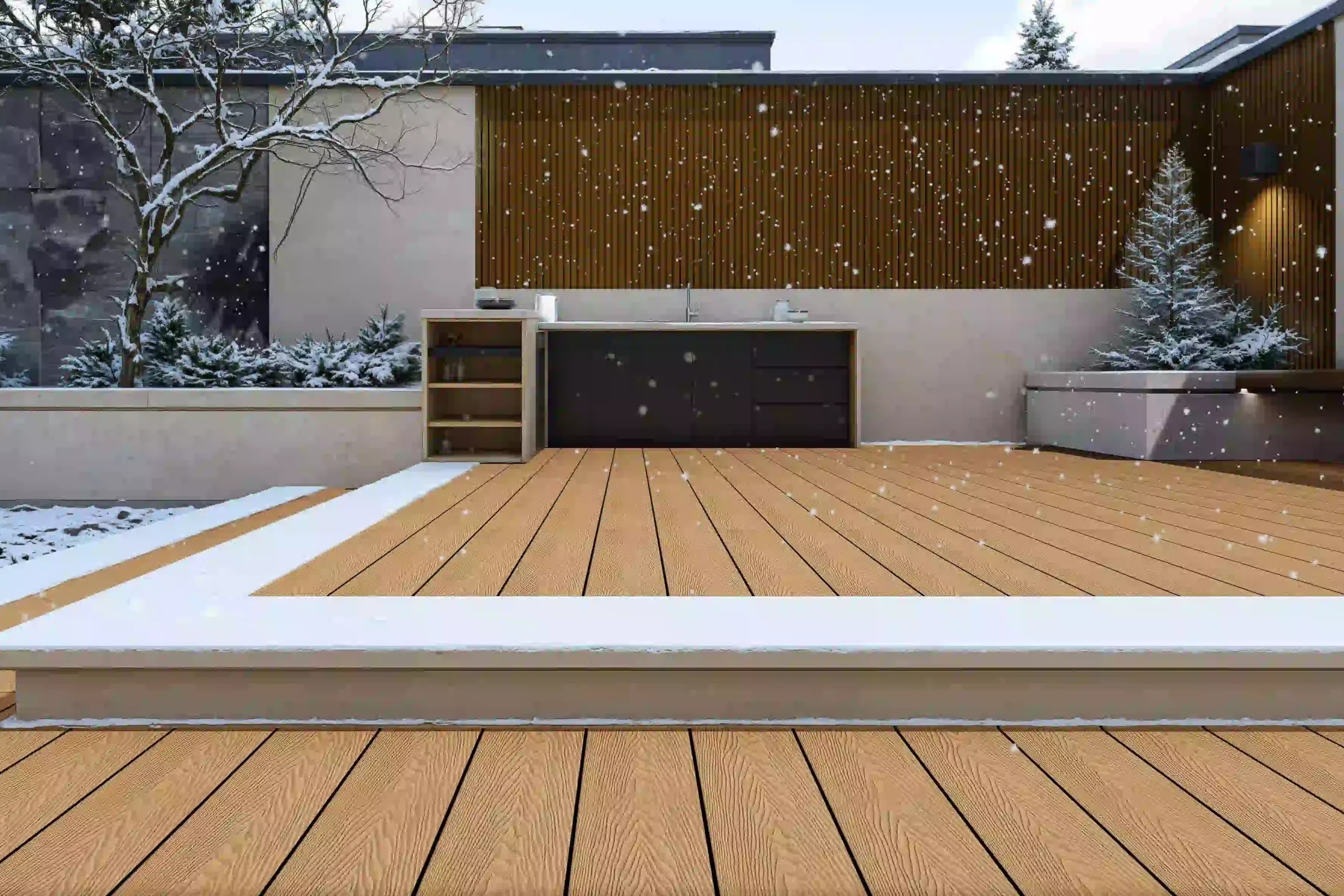
- Excellent freeze-thaw resistance: WPC materials have an extremely low water absorption rate, making them resistant to damage from ice expansion in winter – ideal for cold climate in Canada.
- Moisture and mold resistant: The plastic component provides strong moisture resistance, preventing mold and rot even in high-humidity environments.
- UV-stable: High-quality WPC decking contains UV inhibitors, ensuring minimal fading and good long-term appearance retention after prolonged sun exposure.
- Longer lifespan: Under climatic conditions in Canada, the average lifespan of WPC decking reaches 20–25 years.
- No pest issues: The plastic composition effectively deters insects, eliminating the need for additional pest treatments.
For Canadian homeowners, the weather resistance of materials directly determines long-term maintenance costs. WPC decking demonstrates greater stability in cold, wet climates, significantly reducing the frequency of repairs and replacements caused by weather-related damage.
Cost Comparison: Short-Term vs Long-Term
Cost is a key factor for many homeowners when making decisions, but simply comparing initial prices often overlooks differences in long-term expenses.
Short-Term Costs:
- Traditional Wood Decking: Typically has a lower upfront cost, especially pressure-treated wood, which is relatively affordable material price.
- WPC Decking: Generally involves a higher upfront cost due to its more complex manufacturing process and superior material performance.
Long-Term Costs:
- Traditional Wood Decking: Long-term costs cannot be ignored. Annual or periodic purchases of stains and sealants, cleaning supplies, and potential costs for repairs or plank replacements accumulate over time. Its maintenance costs may approach or even exceed the initial investment within several years.
- WPC Decking: Although the upfront investment is higher, its minimal maintenance needs significantly reduce long-term ownership costs. It saves not only money on materials and labor but also valuable time and effort.
In summary, traditional wood decking suits homeowners with limited short-term budgets who don’t mind frequent maintenance. WPC decking, while requiring a higher upfront investment, offers a more advantageous total cost from a long-term perspective of five years or more, making it especially suitable for those planning to stay in their homes long-term.
Which Decking Material Is Better for Canadian Homes?
So, how exactly should you choose the right decking material for your home in Canada? There is no one-size-fits-all answer—it truly depends on your personal priorities.
When to Prioritize WPC Decking
- Pursuing a low-maintenance lifestyle: If you prefer not to spend your weekends staining and deep-cleaning your deck, the low-maintenance nature of WPC will save you significant time and hassle.
- Long-term residency plans: If you plan to stay in your current home for over 10 years, the long lifespan and lower long-term cost of WPC offer a better return on investment.
- High deck usage frequency: If you frequently use your deck for entertaining guests or family gatherings, the superior durability and stable appearance of WPC will better meet your needs.
- Living in an extreme climate region: For areas like Canada’s northern provinces, with severe winters and frequent freeze-thaw cycles, the weather-resistant advantages of WPC are even more pronounced.
When to Consider Traditional Wood Decking
- Limited budget and short-term use: If you plan to change homes within 3-5 years, the initial cost advantage of traditional wood decking is significant.
- Preference for the natural feel of wood: For those with a special appreciation for the natural grain and texture of real wood, and who are willing to invest extra maintenance effort for that authentic look.
- Enjoying DIY maintenance: If you relish the process of personally caring for your outdoor space and don’t mind regular maintenance tasks like staining and sanding.
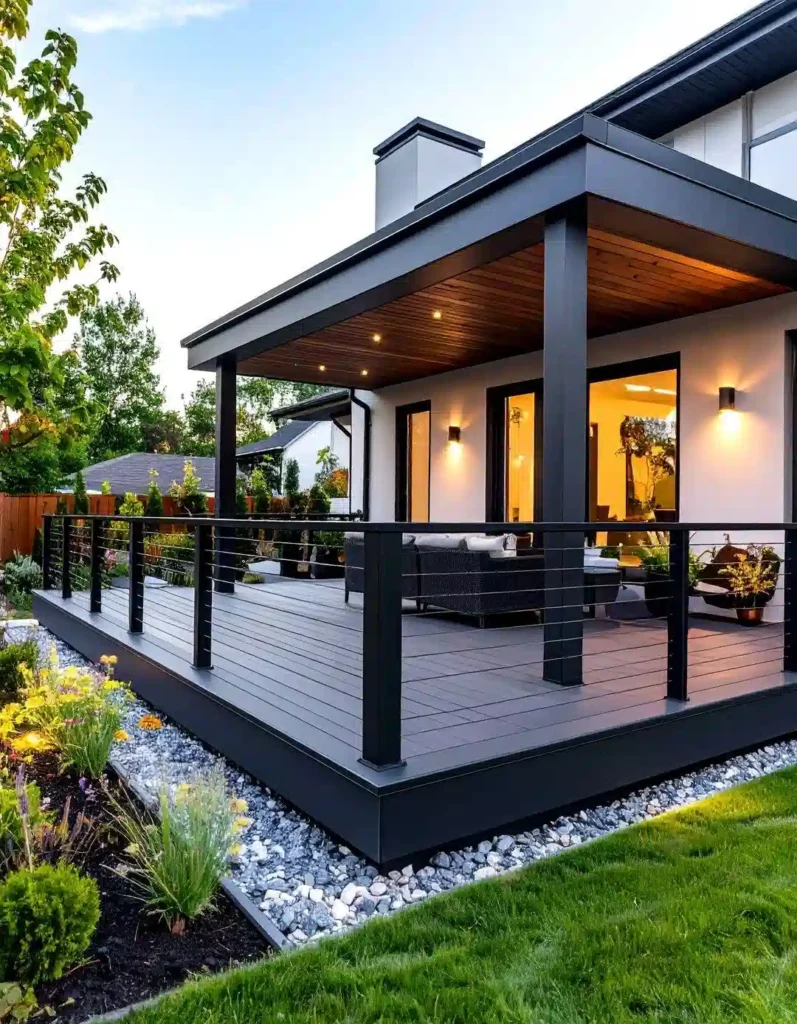
For most modern homeowners, WPC decking offers a hassle-free, durable, and climate-adaptive solution, striking a good balance between aesthetics and practicality. When selecting a specific product, some brands available on the market, such as Feelingwood, which is specifically designed and developed for the North American market, offering excellent performance in freeze-thaw resistance, moisture protection, and UV stability. It also provides a variety of designs that closely mimic natural wood grain, helping you create an ideal deck that is both beautiful and robust.