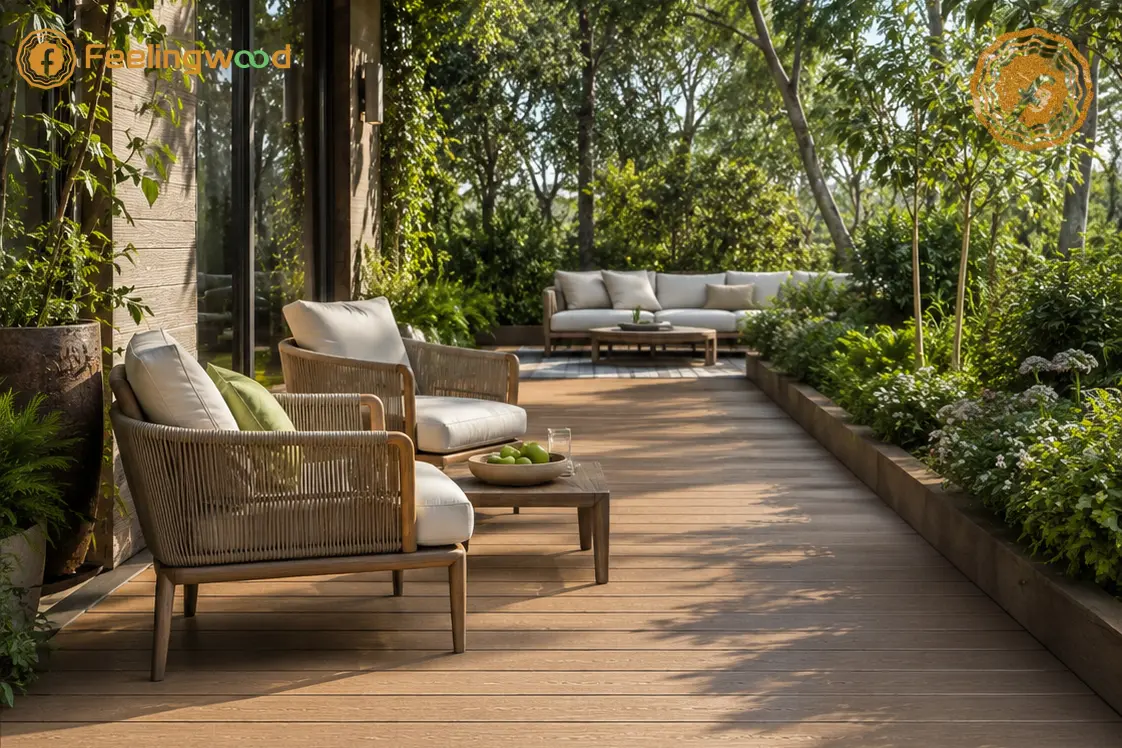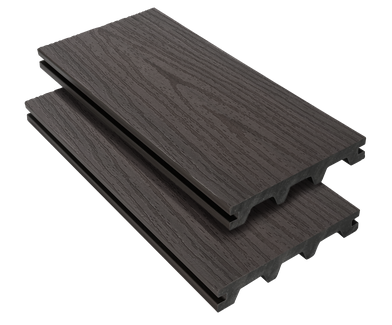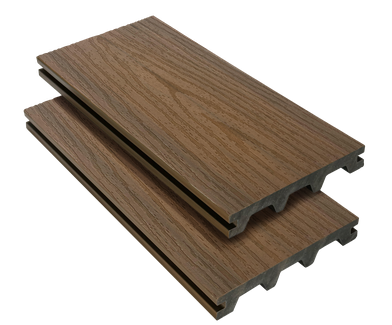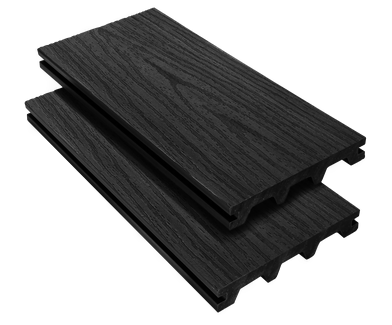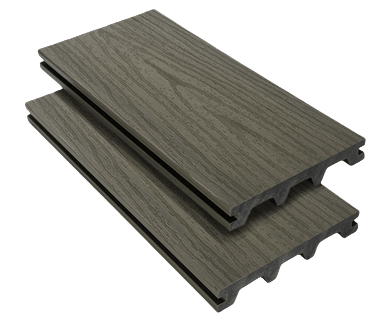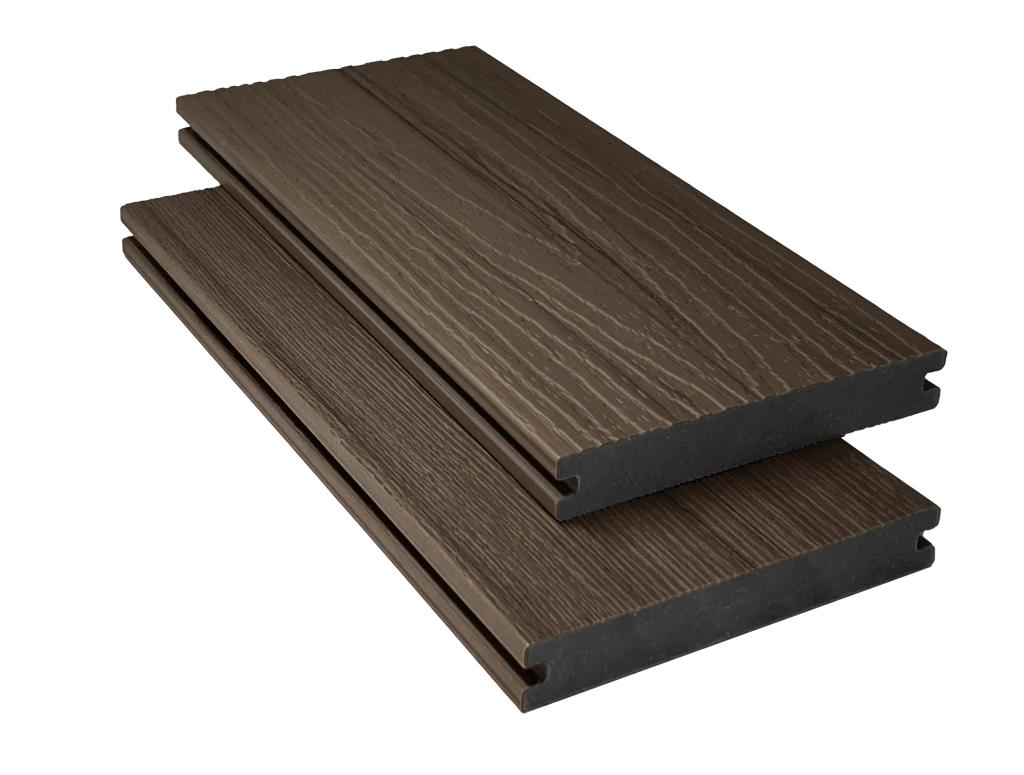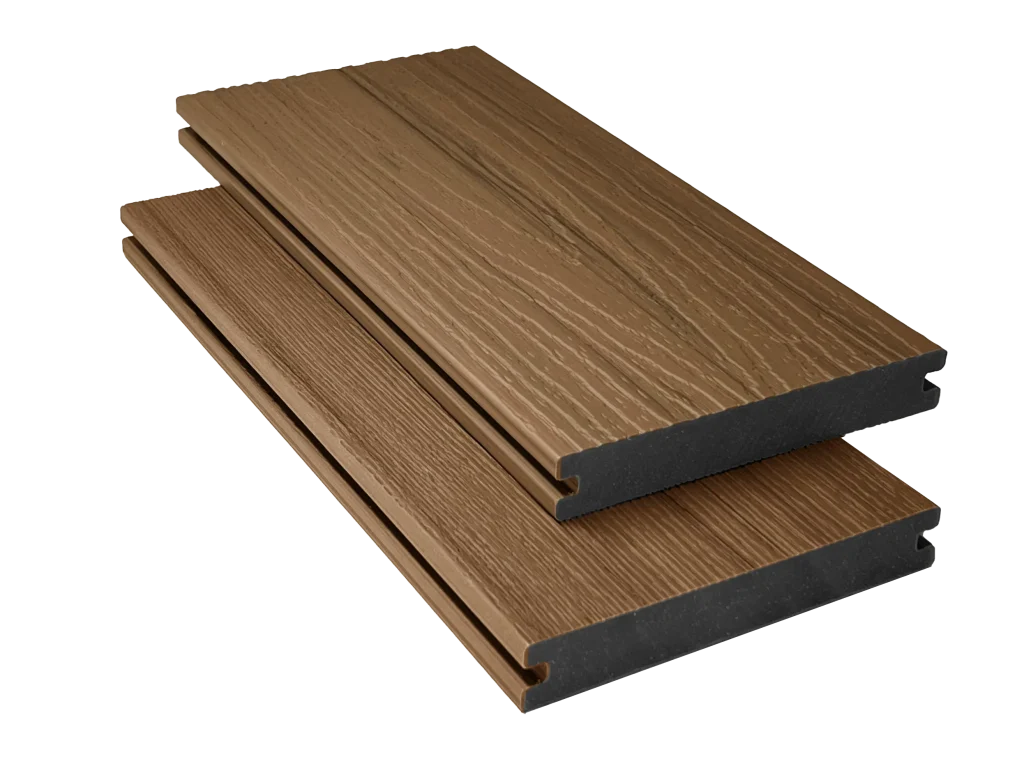
In Canada, late spring and early summer can leave decks damp longer than expected. After rain, rising humidity, and temperature changes, shaded corners, board gaps, and areas under furniture may hold moisture even when the surface looks clean. Composite decking offers lower maintenance than wood, but moisture buildup can still appear when water mixes with dust, pollen, leaves, or organic debris. Mold and mildew often begin in these damp spots, not because the boards have failed. Winter snowmelt can create similar risks, but the logic is the same: composite decking moisture maintenance starts with understanding where moisture collects and why.
How Damp Conditions Create Maintenance Needs
Damp conditions are often where mold and mildew problems begin, even on composite decking that is designed for outdoor use. After rain, snowmelt, or a humid night, moisture can remain on the surface and mix with dust, pollen, leaves, or other organic matter. When this residue stays in place, it creates a damp film that makes mold and mildew more likely to appear.
The risk is usually higher in specific areas rather than across the entire deck. Standing water near steps, planters, or low spots can dry slowly. Shaded areas under furniture, along walls, or beneath trees may receive less sunlight and airflow. Local humidity can also keep the surface damp for longer, especially in enclosed backyards.
This is why composite decking moisture maintenance should begin with recognizing where damp conditions tend to last. Regular care is not about over-cleaning the deck; it is about reducing the conditions that allow moisture, mold, and mildew to build up over time.
How Material Characteristics Influence Maintenance
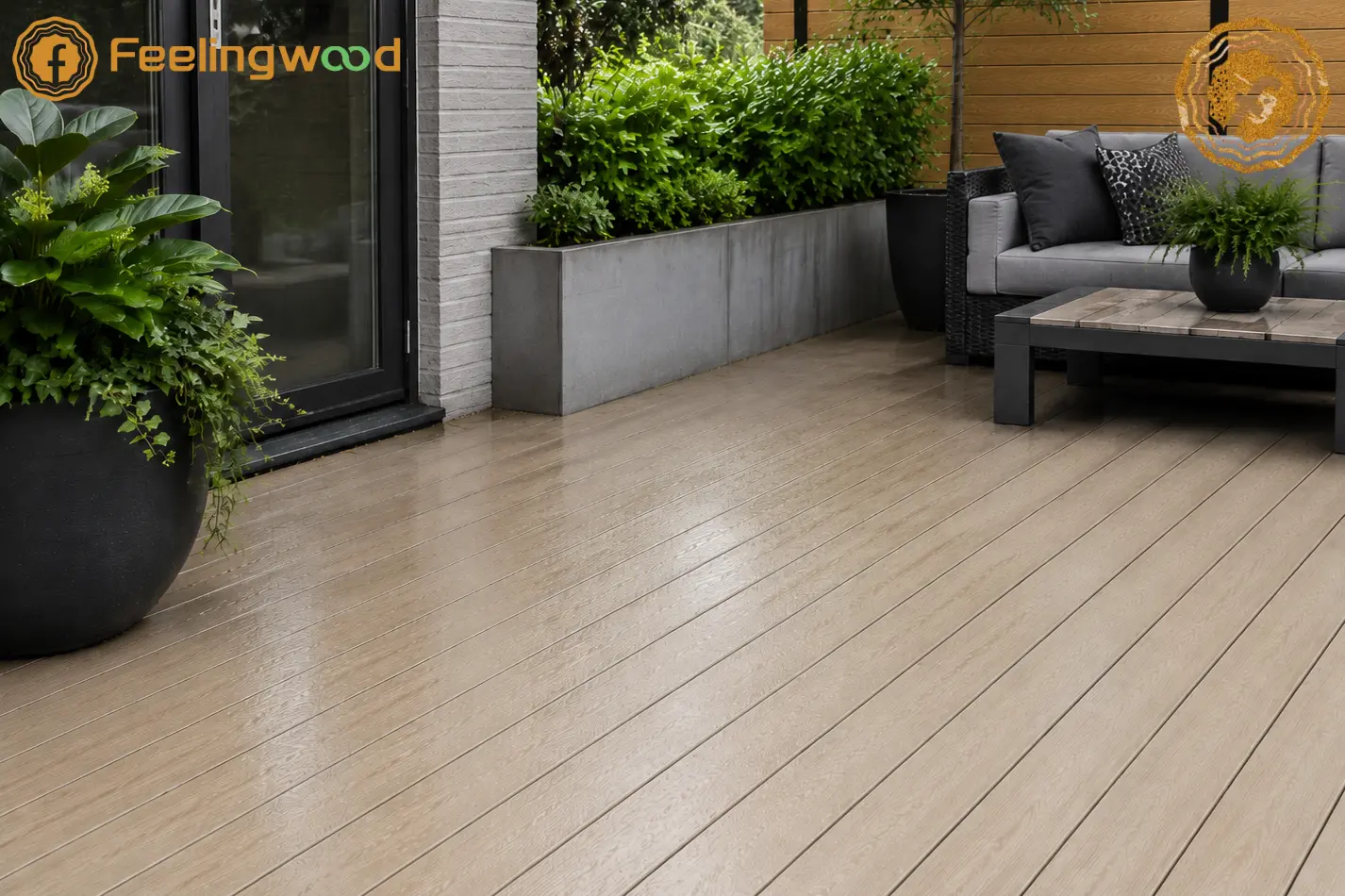
The way composite decking is made helps shape its maintenance needs. Unlike traditional wood, composite boards are designed to limit water absorption, swelling, and cracking, while a co-extruded layer can add a protective surface that supports stain protection and mold resistance. These features reduce many moisture concerns, but they do not remove the need for regular care.
The main issue is usually not the core material, but what stays on the board surface. Dust, pollen, leaves, and outdoor residue can hold moisture, and local wet spots may form around planters, furniture legs, shaded corners, or areas where drainage is slowed. When these damp spots remain, mold and mildew are more likely to develop on surface buildup.
For homeowners who want to understand the material background, Qu'Est-ce que Decking de WPC et Est-Il Adapté pour les Maisons Canadiennes? explains how composite materials perform outdoors. In daily use, composite decking still benefits from moisture maintenance that keeps the surface clean, dry, and open to airflow.
Structural Factors That Affect Local Moisture
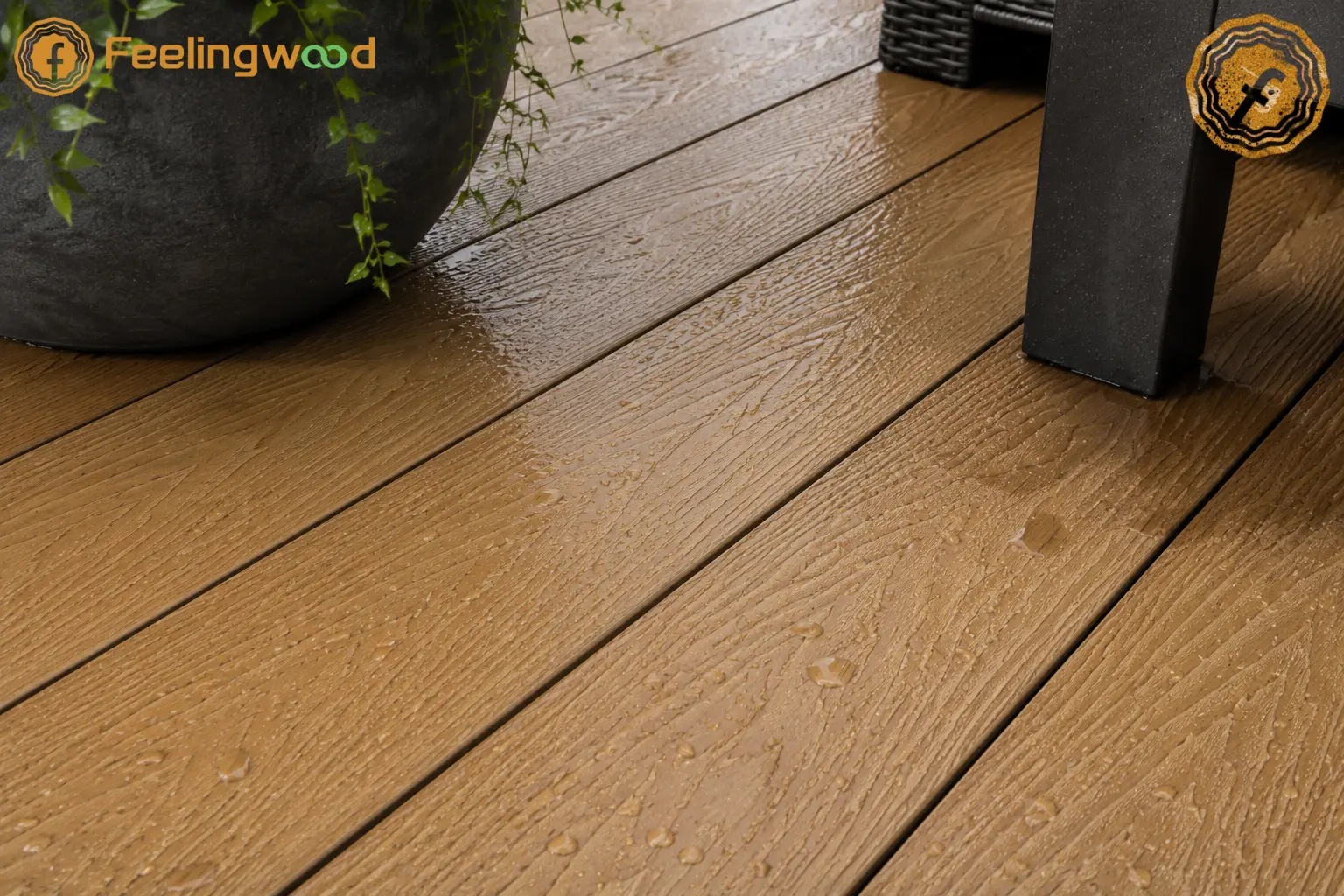
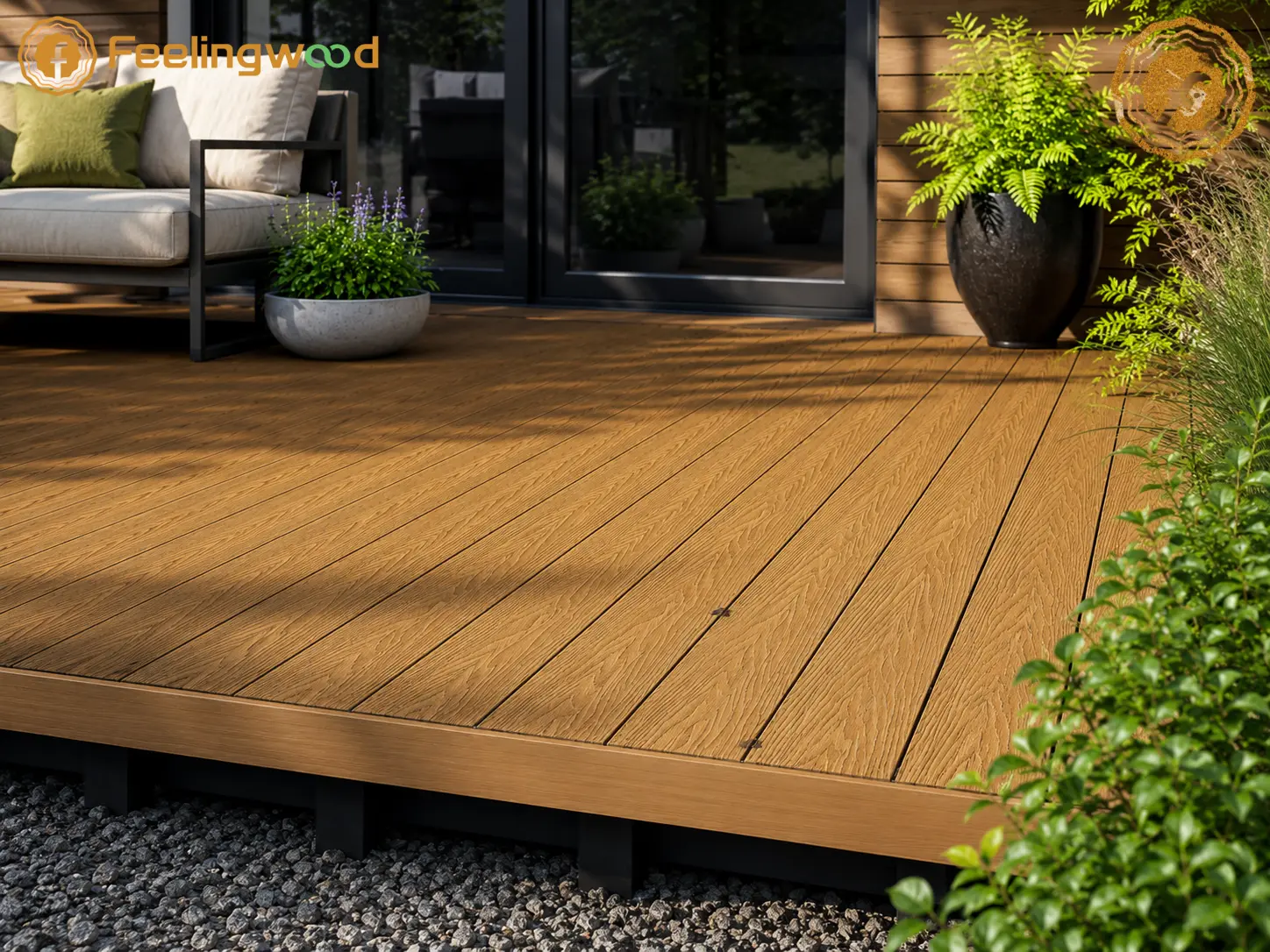
Moisture problems often begin in the parts of a deck that dry slowly, not just on the visible board surface. Board gaps, joist spacing, ventilation, and drainage all affect how water moves through the deck system after rain, snowmelt, or routine cleaning. When board gaps are blocked by leaves, dirt, or small debris, water cannot drain freely, which can lead to local moisture accumulation.
The substructure also matters. Tight joist spacing, poor airflow under the deck, or enclosed areas near walls and steps may keep the underside damp for longer. Shadow areas created by furniture, planters, or nearby buildings can slow surface drying as well.
This is why maintenance should focus on local risk points rather than only general cleaning. Homeowners planning a new deck can refer to Guide de sous-structure de terrasses composites pour les maisons canadiennes : que vérifier avant l'installation to understand how joist spacing, base conditions, and ventilation support long-term performance.
Principles Behind Mold and Moisture Maintenance
Good maintenance is based on a simple cause-and-effect idea: mold prevention starts by removing the conditions that allow moisture to remain on the deck. Cleaning helps remove pollen, dust, food residue, leaves, and other organic matter that can hold water and support surface growth. Drying reduces the time that damp areas stay suitable for mold and mildew. Airflow helps moisture escape from board gaps, shaded corners, and the underside of the deck instead of becoming trapped.
This is why moisture control should be gentle and consistent rather than aggressive. Harsh scrubbing or unnecessary pressure washing may stress the surface, while small habits—raising planters, moving furniture occasionally, clearing debris from gaps, and allowing wet areas to dry—directly respond to the conditions that cause buildup. In enclosed backyards, humidity reduction may also come from improving ventilation or keeping dense objects from blocking air movement.
For a broader climate-based care framework, 3 Smart WPC Conseils pour l'Entretien de Climat Canadien: Protéger Votre terrasse en bois, Clôture et Bardage explains how routine care supports outdoor WPC products. The purpose of maintenance is prevention: reduce moisture sources before mold becomes visible.
Seasonal Effects on Moisture and Maintenance
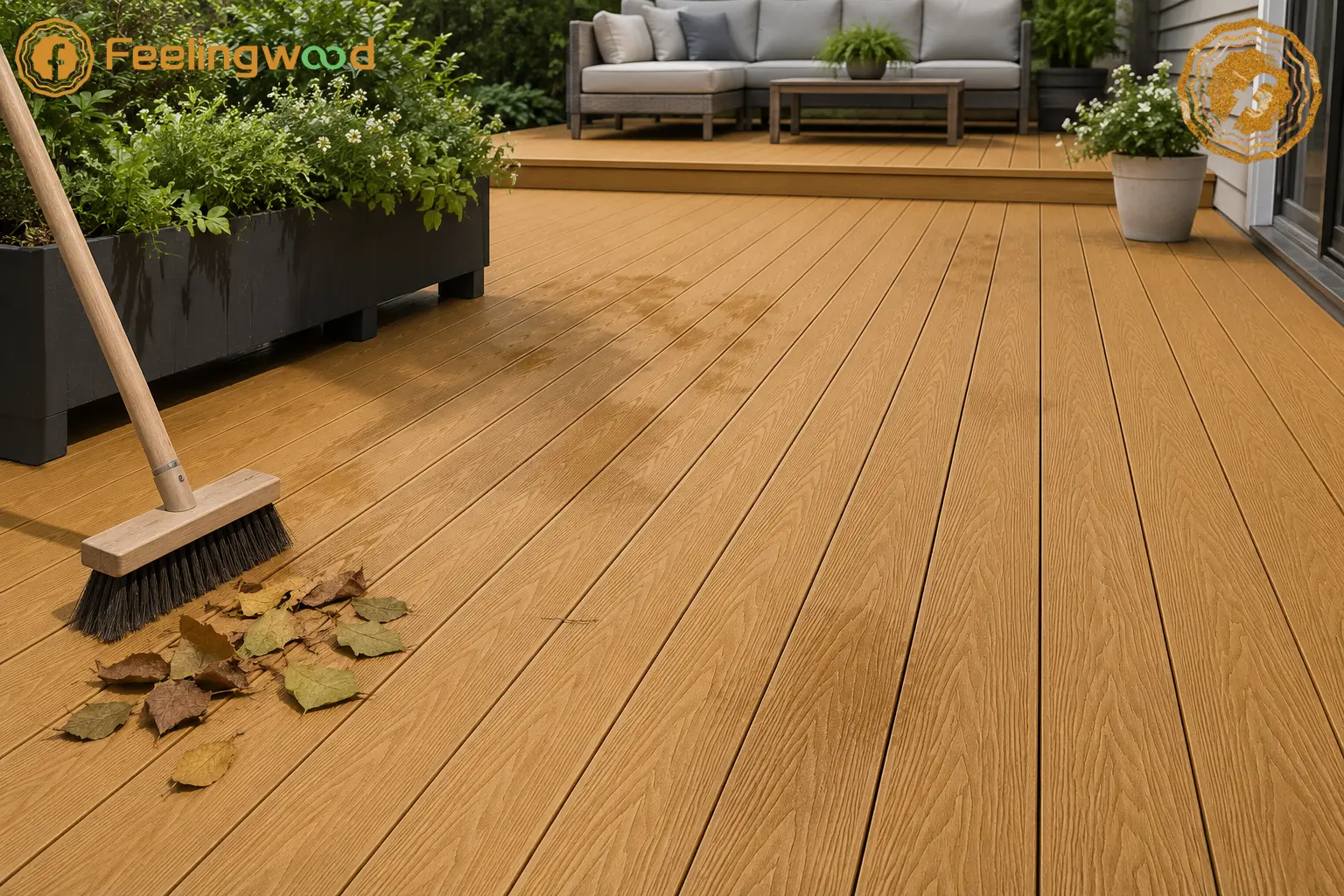
Moisture behavior changes with the season, so seasonal maintenance should follow the conditions that create the highest risk. In late spring and early summer, frequent rain, warmer air, and rising humidity can make a deck dry more slowly, especially in shaded corners or areas with limited airflow. This is when mold risk often increases, not because the decking material suddenly changes, but because moisture and organic residue have more time to remain on the surface.
Winter creates a different type of concern. Snow, ice, and repeated precipitation can leave moisture around board gaps, steps, and deck edges. During freeze-thaw periods, trapped water may repeatedly melt and refreeze, making it more important to keep drainage paths clear and avoid debris buildup before cold weather settles in.
For Canadian homeowners, seasonal maintenance is about matching care habits to environmental pressure. Spring and early summer call for closer attention to humidity and surface drying, while winter requires awareness of snowmelt, drainage, and trapped moisture. This approach keeps maintenance practical, targeted, and easier to manage.
Key Takeaways on Moisture and Mold Maintenance
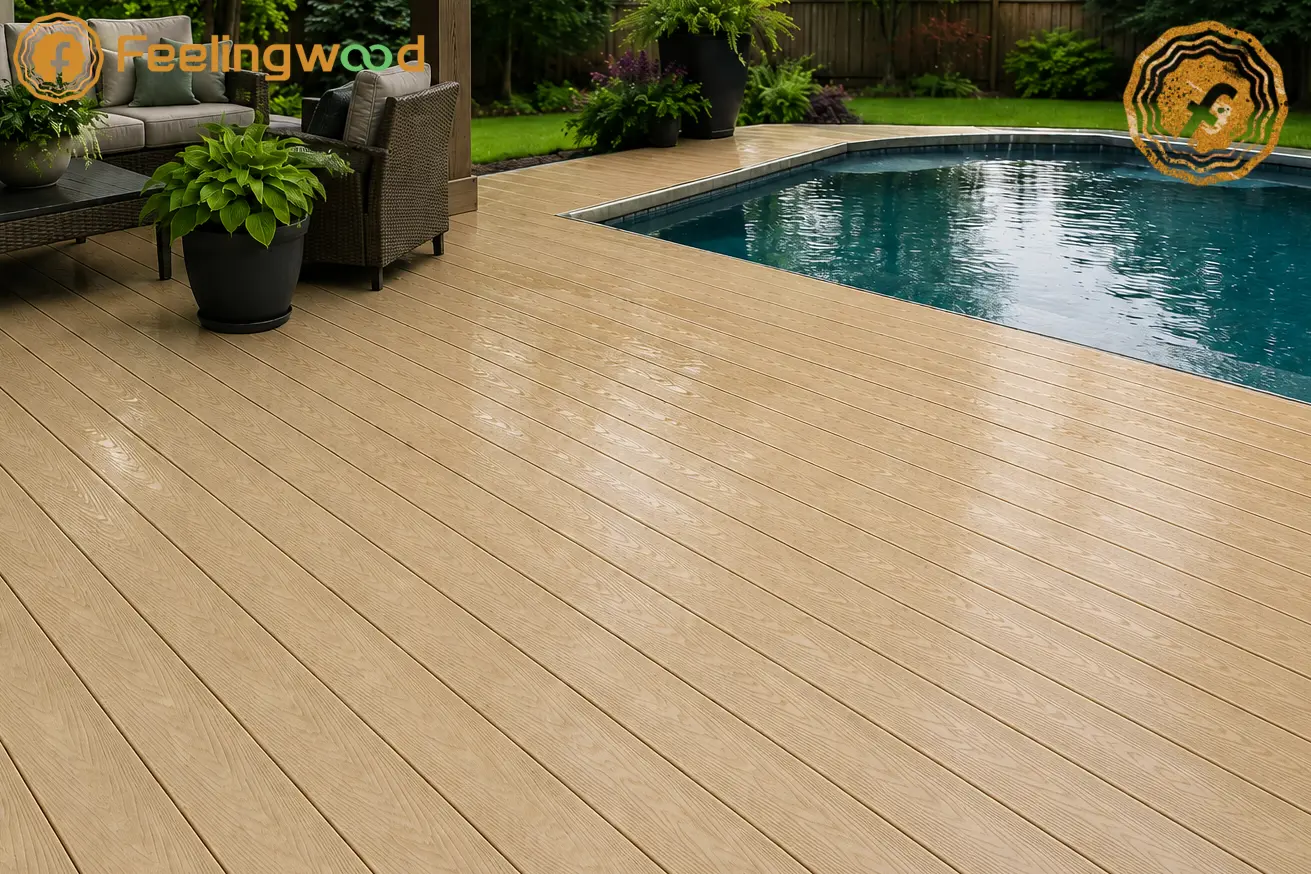
Mold, mildew, and moisture buildup on composite decking are usually the result of connected conditions: surface residue, slow drying, limited airflow, poor drainage, seasonal humidity, and local damp spots. Effective moisture management is not simply about cleaning more often; it is about reducing the environment that allows moisture to stay in place. When water, pollen, leaves, or dust remain on the surface, mold prevention becomes harder, especially in shaded or enclosed areas.
For Canadian homes, this logic matters because decks face rain, humidity, snowmelt, freeze-thaw periods, and seasonal debris throughout the year. A practical maintenance mindset helps homeowners understand these conditions early, supporting board longevity, surface durability, and a more comfortable outdoor space.
Some brands, such as bois sentant, design composite decking with low-maintenance outdoor living and long-term performance in mind. With durable materials and sensible humidity control, homeowners can keep their deck cleaner, more stable, and easier to enjoy across changing seasons.