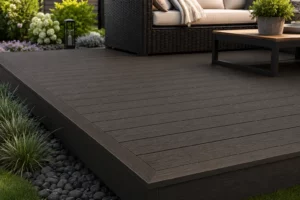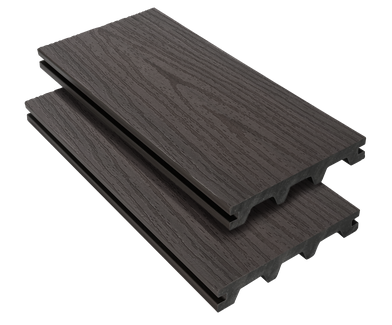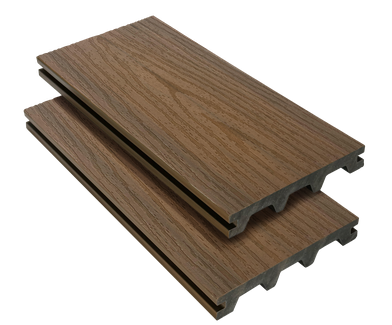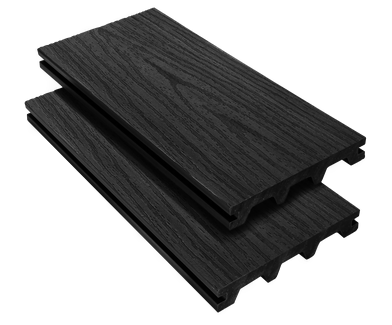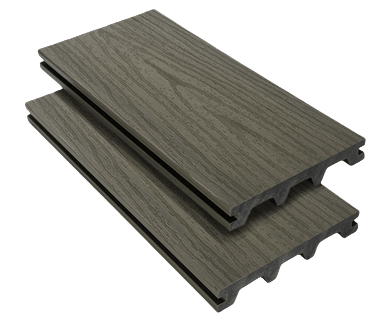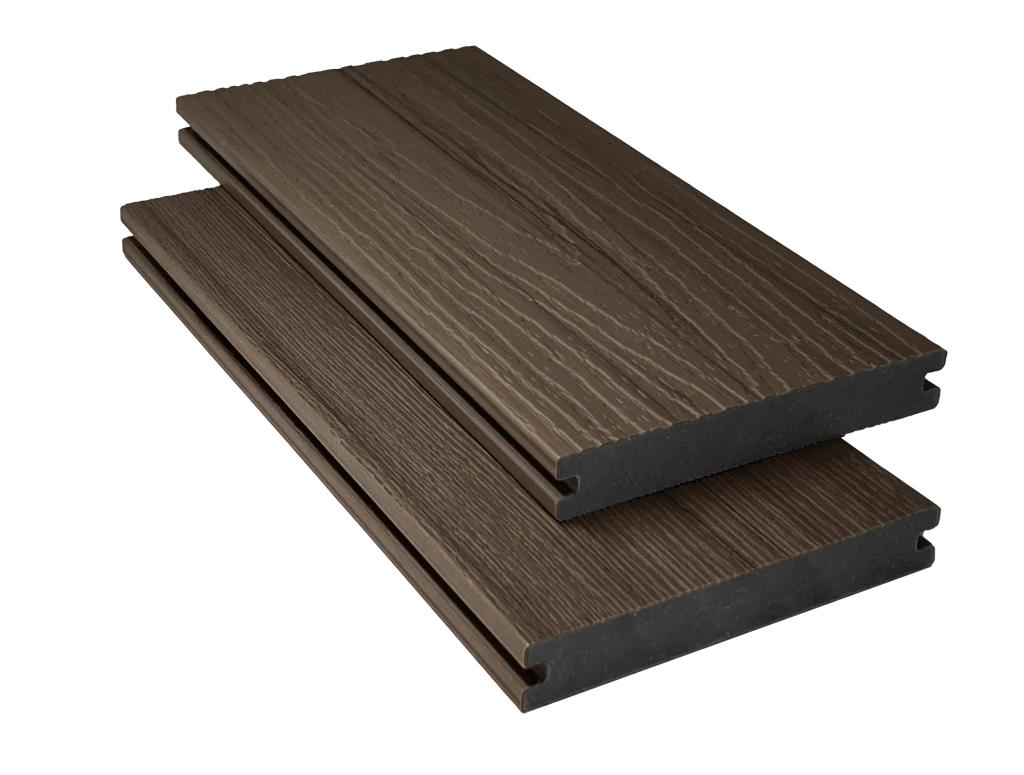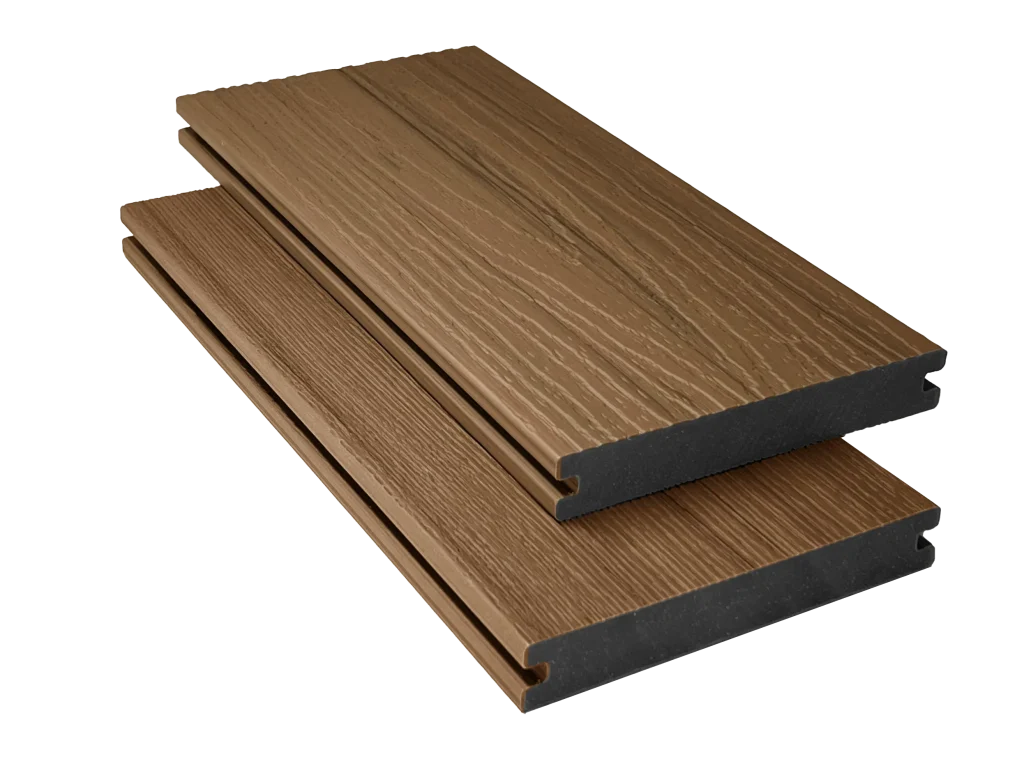
Composite decking is a popular choice for deck builds due to its low-maintenance and high-performance material composition. However, installing composite decking can be a daunting task for those who haven’t done it before. To help you get started, here are eight essential tips for installing composite decking.
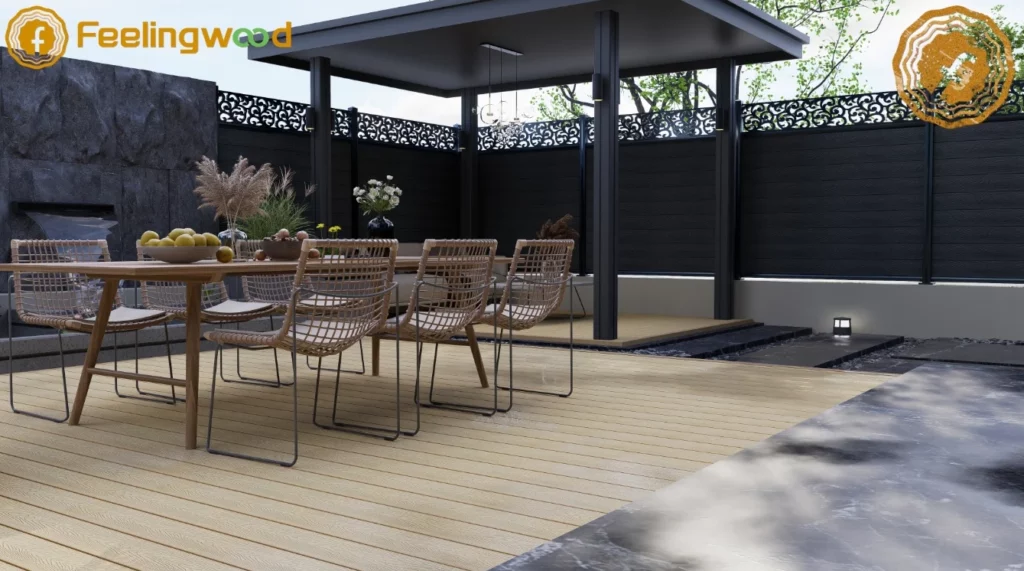
L'installation de la terrasse en composite est similaire à l'installation de plusieurs façons de terrasse en bois traditionnelle. Par exemple, la terrasse en composite et le parterre en bois peuvent être coupés à l'aide des mêmes outils, comme une scie à onglet ou une scie à sauter. De plus, la terrasse en composite peut être installée avec des fixations descendantes, qui sont un choix courant pour les terrasses en bois. Cependant, il existe certaines différences clés entre l'installation de terrasses composites et le bois, que nous couvrirons plus tard.
6-Savoir Conseils pour l'Installation de Terrasses en Composite
1. Comprendre les caractéristiques des planches de pont en composite
Expansion et contraction de la planche de terrasse
La terrasse en composite se dilate et se contracte sur toute sa longueur avec des variations de température (plutôt que sur sa largeur comme le bois). Pour limiter les changements de longueur, coupez vos planches de terrasse Feelingwood juste avant l'installation.
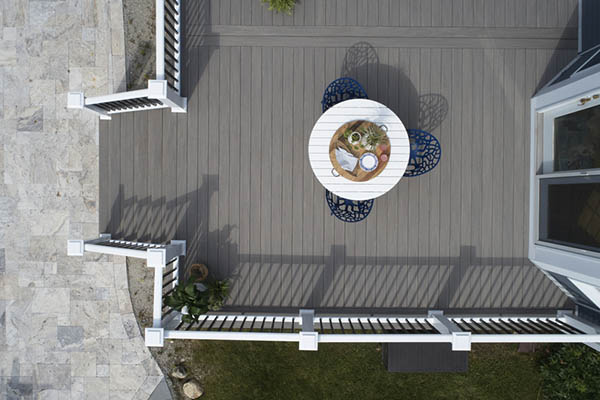
Évitez les débris de construction excessifs
Une accumulation excessive de débris, comme la saleté, le sable et la poussière de construction, peuvent devenir difficiles à enlever et peuvent endommager vos planches si elles ne sont pas nettoyées immédiatement. Minimisez les débris en installant des planches de terrasse en composite à la fin de votre projet de rénovation d'arrière-cour.
Évitez la chaleur excessive
Les terrasses Feelingwood doivent être tenues à l'écart des sources de chaleur, y compris la lumière du soleil, réfléchie par les produits de fenêtre éconergétiques, comme les fenêtres à faible émissivité (à faible E), qui peuvent provoquer une accumulation de chaleur excessive qui endommage vos planches.
When installing composite decking, always consult the installation guide for your chosen deck board and fastener type before breaking ground on your project. The process for installing composite decking will vary depending on the type of board and fastener you’re using. Composite decking fasteners are typically either top-down fasteners (similar to those used in traditional wood decking installation) or hidden clip fasteners (used with grooved composite deck boards). By following these tips, you can ensure a successful composite deck installation.
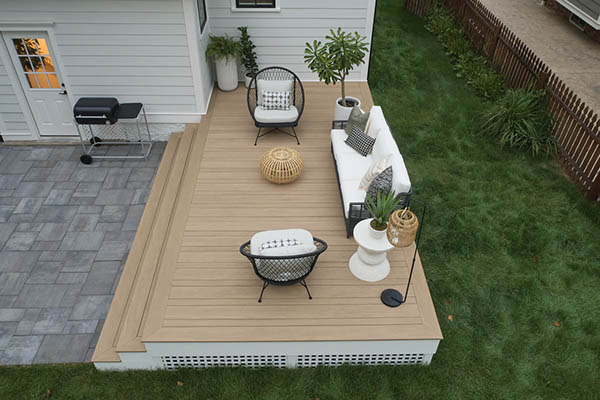
2. Rassemblez les outils nécessaires
Installing composite decking correctly requires the right tools. You’ll need safety glasses, fasteners for your substructure and decking, a spirit level to check that joists and blocking are level and in plane across the tops, a miter saw or jig saw, a hammer or mallet, flashing and joist tape to protect your substructure, and a drill. If you don’t own these tools, you can purchase or rent them from your local hardware store.

3. Assurer une structure solidee
Installing composite decking requires a properly installed and maintained substructure for lasting structural integrity. Before getting started, consider the scope of your project and your deck’s substructure. If you’re planning to upgrade your wood deck with composite deck, starting with a brand new substructure is the best path to take in most cases, unless your existing substructure is only a few years old and in mint condition.
Lorsque vous construisez une nouvelle sous-structure, utilisez des semelles antigel pour installer vos messages si vous vivez dans un climat froid ou quatre saisons. Assurez-vous que les solives sont à niveau et dans le plan à travers les sommets. Attachez correctement la carte du grand livre (la carte qui relie votre terrasse à votre maison) avec les vis appropriées.
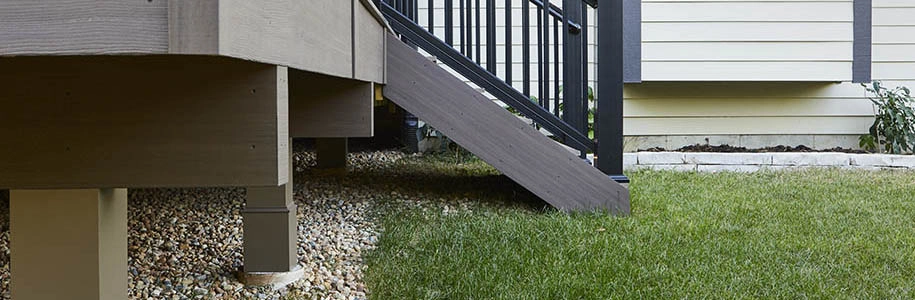
If your deck substructure is in good condition, you can consider a resurfacing job, where you maintain your substructure and only replace your existing deck boards. However, you’ll need to ensure your substructure is healthy enough to last for the long haul with a thorough deck inspection. Remove your existing deck surface boards to get a good look at the substructure. A healthy substructure will be free of mold, mildew, and rot, and feature securely connected members (joists, blocking, ledger board, etc.) with the appropriate fasteners.
Minor issues with your substructure, such as a few loose fasteners or a damaged joist or two, can likely be repaired. However, more severe issues that affect your deck’s structural integrity, such as any rot in the ledger or posts, will likely warrant a full deck replacement. Do not install composite decking directly over wood boards, as this can cause serious issues for your overall deck structure.
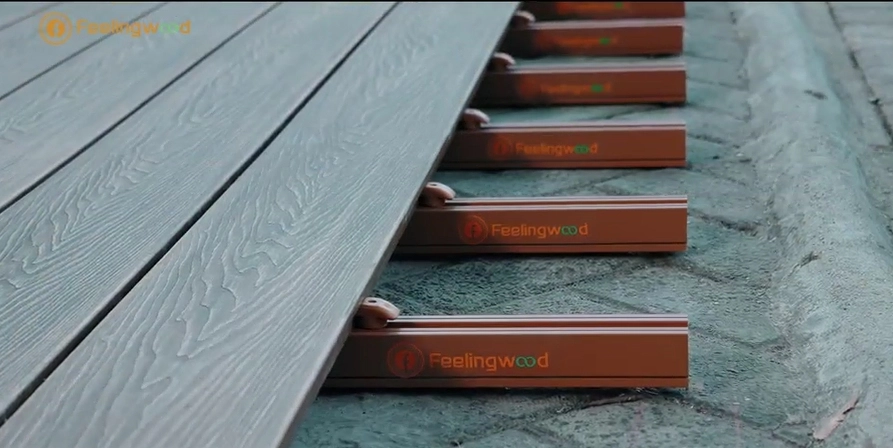
To optimize for long-term performance, choose aluminum joist tape for full moisture protection. The Feelingwood fast installation system comes with extensive aluminum joist tape, so you don’t have to worry about the possible rot of the joist caused by moisture. For Feelingwood Classic series decking, you can choose WPC joist for better moisture protection. If your substructure is made with traditional lumber which is vulnerable to moisture damage over time, we suggest you protect your substructure with joist tape.
4. Assurez-vous que le type de fixation
The process for installing composite decking varies based on the board and fastener type. There are two main types of composite decking fasteners: top-down fasteners, similar to those used in traditional wood decking, and hidden clip fasteners, used with grooved composite deck boards. Before starting your project, it’s crucial to consult the installation guide for your chosen deck board and fastener type.
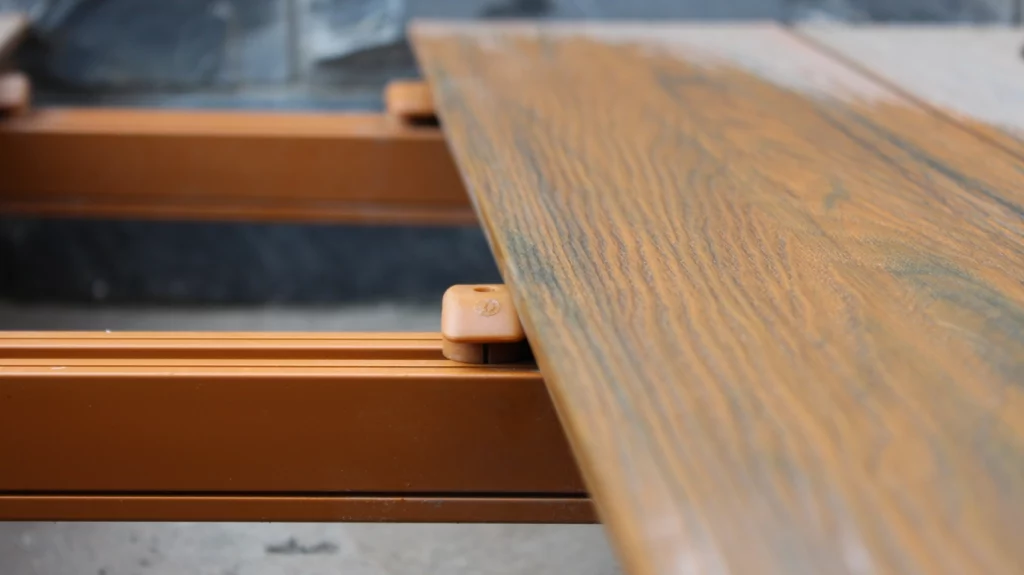
For top-down fasteners, the installation process shares many best practices with traditional wood decking. These fasteners offer both visible and hidden options, making them versatile for various deck designs. If you’re looking for the easiest way to build a deck, consider choosing Feelingwood Fast-Installation decking with nail-free fasteners.
5. Donnez à votre deck un aspect fini avec le fascia
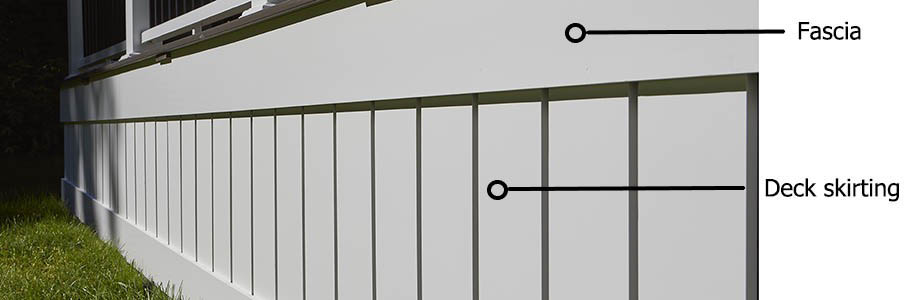
Fascia boards run along the perimeter of your deck, covering the rim joists and providing a sleek, seamless finish. Deck skirting, while related to fascia, covers the opening between the deck surface and the ground. Installing composite decking fascia boards will depend on your specific application, with two primary methods: flush with your deck surface for a clean finish, or just below your deck surface boards if you’re using a picture frame border.
6. Apprenez à faciliter votre construction
With the best practices for installing composite decking in mind, it’s time to consider your deck design. Some designs are more complex to install than others, so here are some tips to keep things simple: choose a deck board and fastener combination you’re familiar with, and utilize standard joist spacing and blocking by laying your boards straight.
Obtenez plus de ressources pour installer une terrasse composite
Vous vous sentez prêt à démarrer votre projet ? Plongez dans nos guides complets, des didacticiels d'installation étape par étape, des démonstrations vidéo utiles, des conseils de finition, etc. Si vous avez des questions, le Équipe Feelingwood is here to help—don’t hesitate to reach out!