







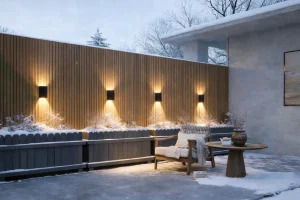
The Ultimate Cladding Guide for Canadian Homes
Everything you need to know about materials, installation, cost, and maintenance.
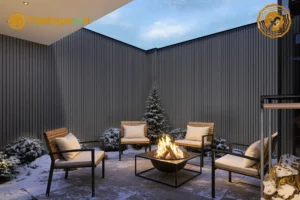
Designed for Canadian climate. Built for aesthetics.
What is Composite Cladding?
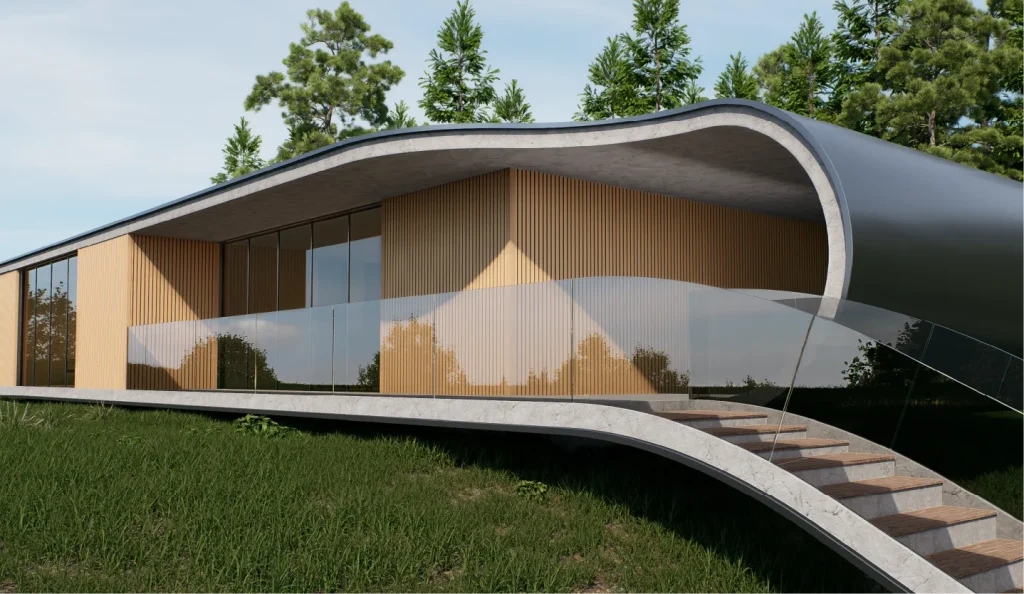
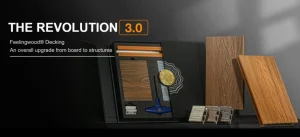
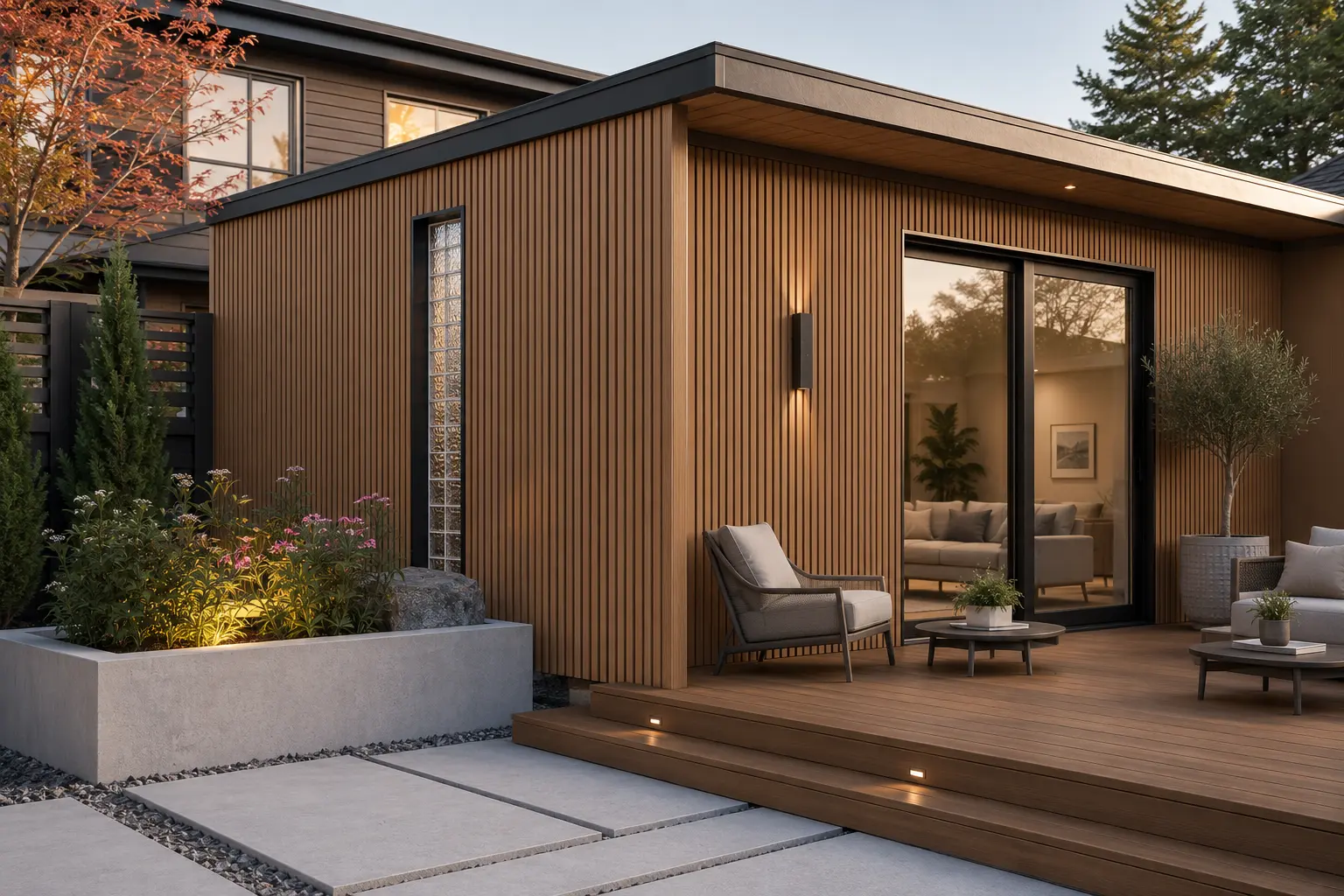
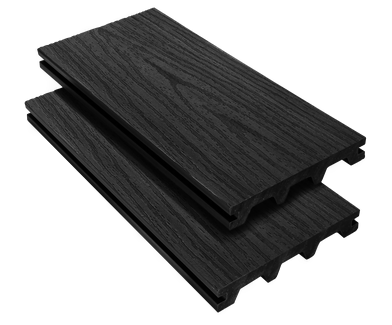
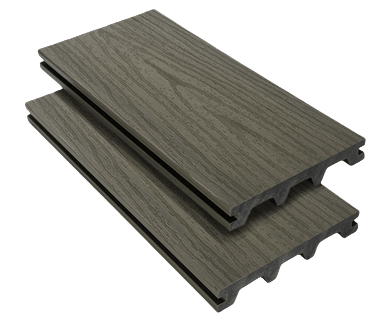
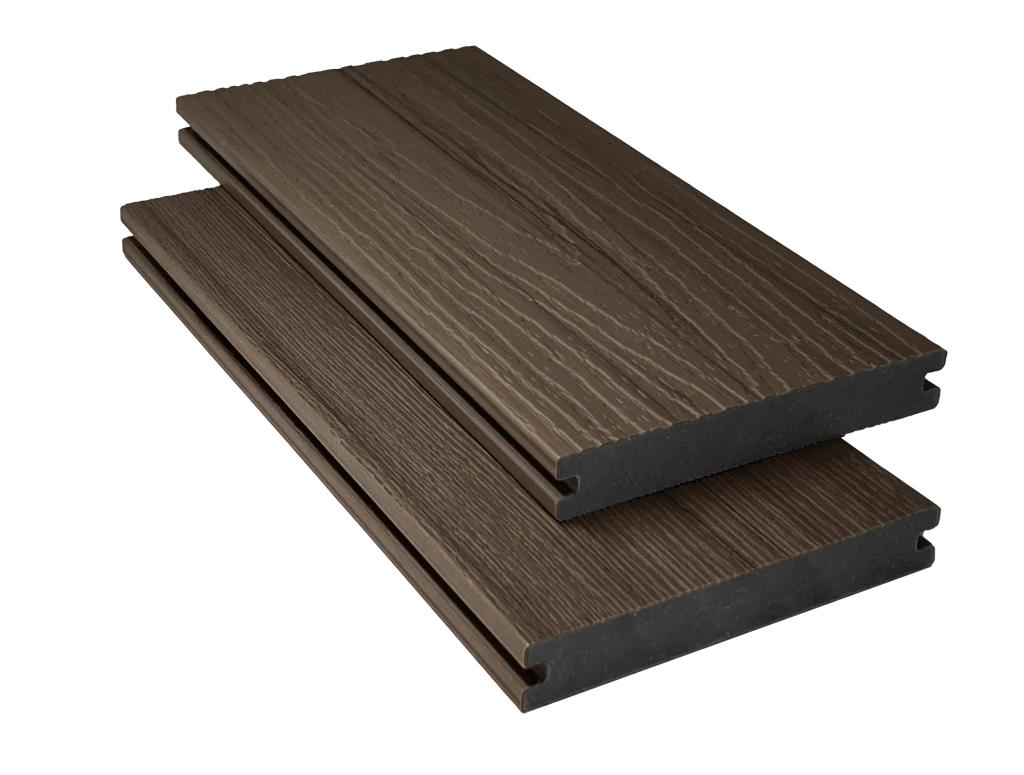
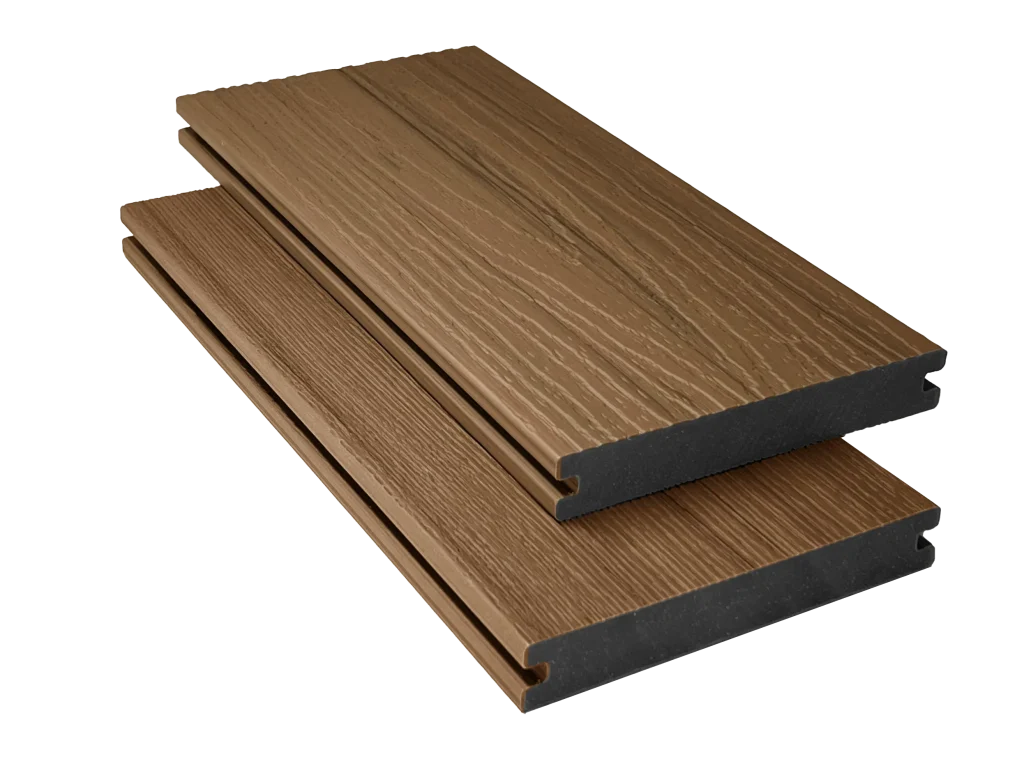
Composite cladding is a high-performance WPC (Wood Plastic Composite) material engineered for structural stability, thermal insulation, and outdoor durability.
It combines recycled wood content with advanced polymer technology to resist moisture, UV degradation, staining, and biological decay.
The result is a dimensionally stable, low-maintenance exterior wall solution that enhances both the aesthetics and performance of residential, hospitality, and commercial buildings.


Cladding vs Wood vs PVC
Comparison Table Full Width
Feature
Composite Cladding
Natural Wood
PVC
The Practical Choice for Canadian and North American Outdoor Projects
Where Cladding Works Best
Discover the Endless Possibilities of Composite Cladding for Every Building
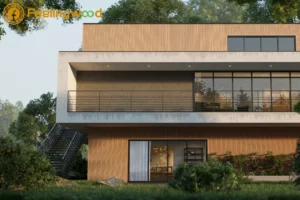
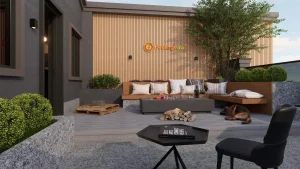
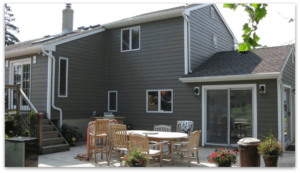
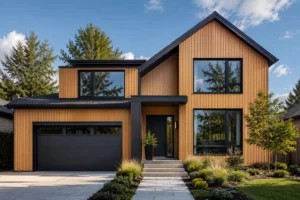
Residential Facades
Commercial Buildings
Hotels & Resorts
Building Renovations
How to Choose
Follow these four simple steps to select the right composite cladding solution for your project.
Choose Your Space Type
Identify where the cladding will be installed — residential facades, commercial buildings, or renovation projects.
Different environments require specific considerations in terms of weather exposure, insulation performance, and architectural integration.
Select Color & Texture
Choose a finish that complements your architectural style and surrounding materials.
Consider factors like sunlight exposure, long-term color stability, and how the cladding will enhance the building’s overall aesthetics.
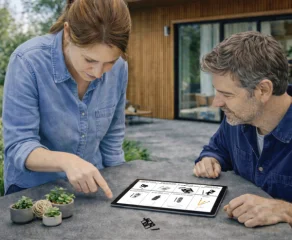
Decide DIY or Contractor Installation
Determine whether the project will be self-installed or handled by a professional contractor.
Installation method impacts the cladding system, fastening, and substructure planning.
Confirm Accessories & Substructure
Ensure the appropriate support system, fasteners, and ventilation spacing are specified.
A well-planned substructure is crucial for the durability and long-term performance of the cladding system.
Installation Guide
Follow these essential steps to ensure a safe, stable, and long-lasting cladding installation.
Prepare Substructure
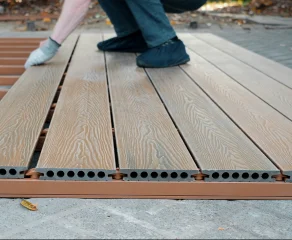
Install horizontal joists onto the wall with proper spacing and alignment.
Ensure adequate ventilation gaps to support moisture control and thermal movement.
Install Panels with Clip System
Insert the first panel into starter clips and secure connector clips to the joists.
Continue installing panels by locking each board into place using the concealed fixing system.
Finish & Secure Edges
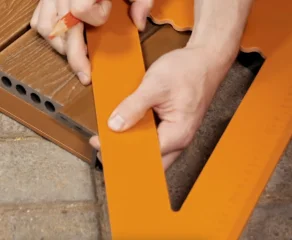
Measure and trim the final panel if needed, then pre-drill and secure it properly.
Complete the installation with corner trims and L trims for a clean, architectural finish.
Maintenance & Care
Simple maintenance helps preserve appearance and long-term performance.
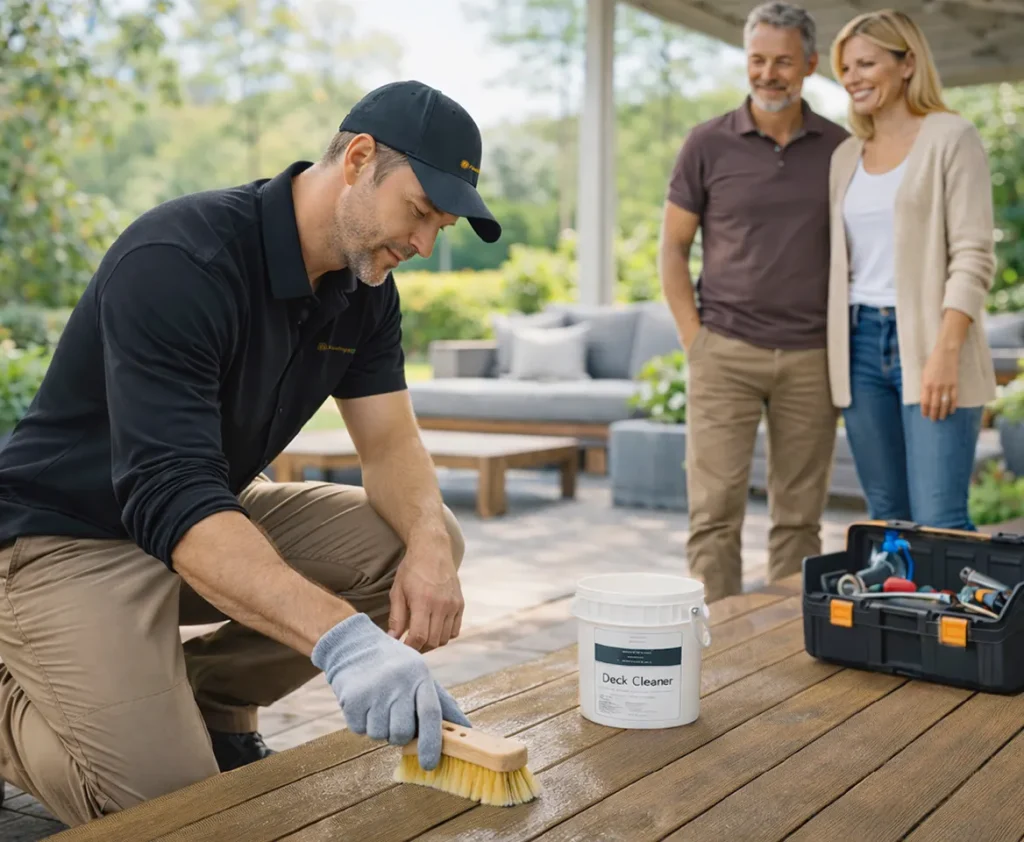
Routine Cleaning
Clean the surface periodically using mild soap and water to remove dirt, dust, and organic debris.
Avoid harsh chemicals or abrasive tools to protect the cladding finish.
Seasonal Care in Canadian Weather
Inspect joints and trims during seasonal transitions, ensuring proper drainage and ventilation.
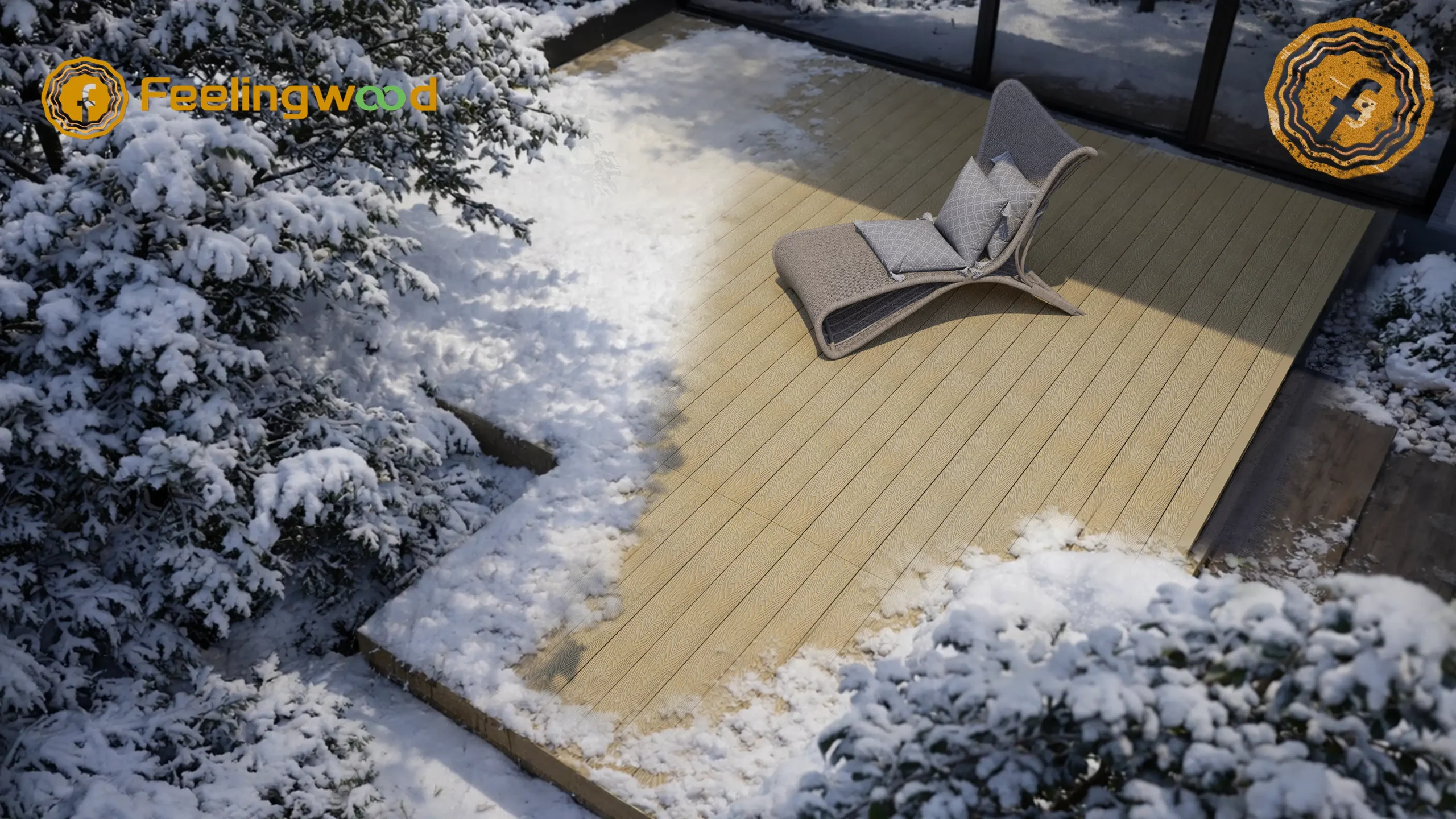
Remove snow buildup near wall bases to prevent prolonged moisture exposure.
Surface Marks & Maintenance
For stains, clean promptly to prevent discoloration.
Minor surface marks may fade over time, while persistent spots can be treated with recommended cleaning solutions.
Cost & Lifespan
Understand the key factors that influence upfront cost and long-term value.
Exterior renovation is often a long-term decision for
WPC performance is a common question for homeowners
For homes exposed to Canadian weather conditions, “durability”
Frequently Asked Questions
Get clear answers to common questions about performance, installation, and maintenance.
What are the core advantages of Feelingwood WPC cladding?
It combines realistic wood grain aesthetics with exceptional durability. Made from 90% recycled materials, it contains no harmful chemicals and is 100% recyclable. It resists rot, fading, and moisture, while being easy to install—providing long-lasting protection for exterior walls.
How does Feelingwood WPC cladding differ from traditional wall materials (such as tiles or paint)?
Compared to tiles, it’s lighter and faster to install. Compared to paint, it’s more weather-resistant and scratch-resistant. It naturally mimics wood grain without requiring frequent refinishing. It’s also eco-friendly and recyclable, offering a longer lifespan for outdoor use.
What is the design highlight of the fluted wall panel?
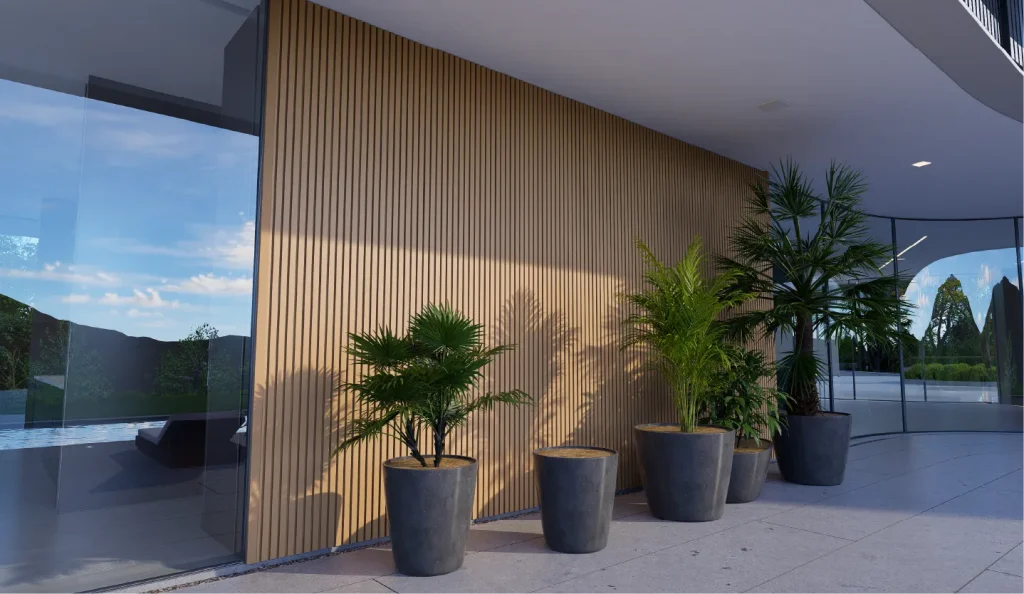
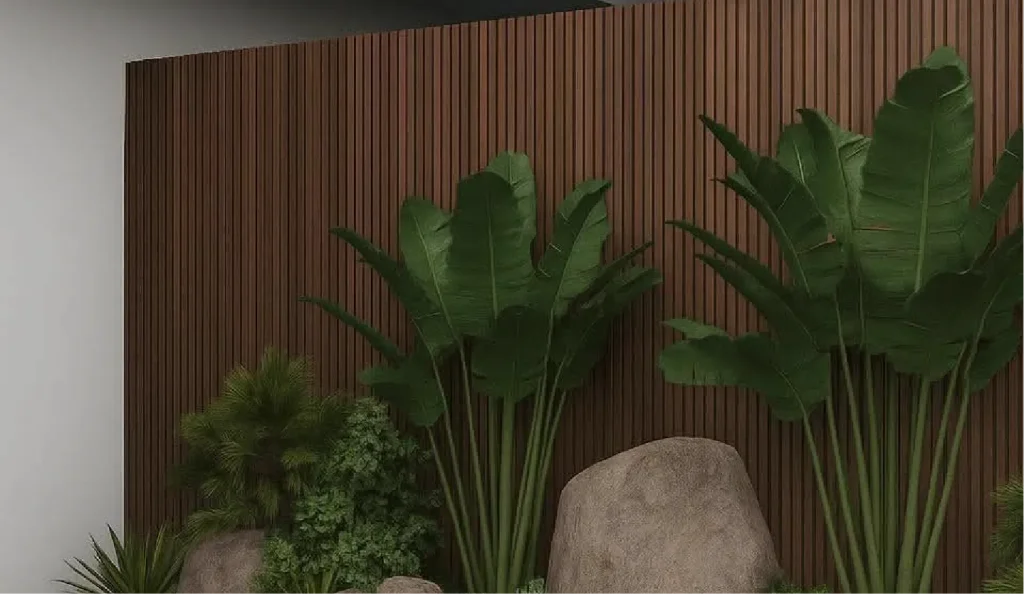
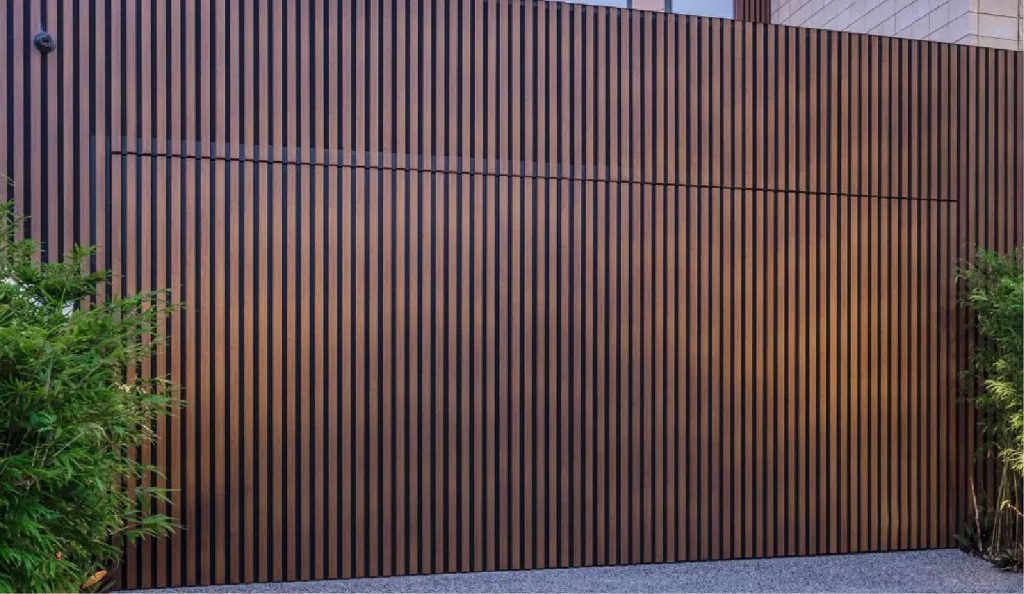
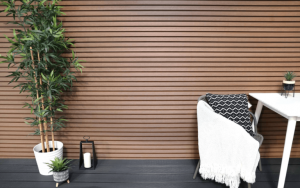
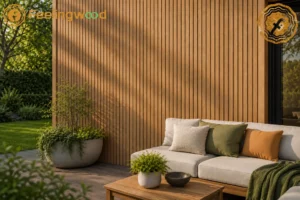
With its three-dimensional fluted texture, it creates rich spatial depth. As light and shadow intertwine, it forms a dynamic and engaging visual effect, freeing outdoor walls from the monotony of traditional flat panels. Combining texture with design sensibility, it becomes the finishing touch that enhances outdoor wall decoration.
Can Feelingwood WPC cladding achieve a unified outdoor aesthetic for the entire home?
Yes. The colors and textures of the cladding are designed to match the brand’s decking, fencing, and railing systems. From accessories to main materials, the consistent visual language makes it easy to create a cohesive and refined outdoor space.
Is the installation of Feelingwood WPC cladding complicated? Does it require professional installers?
Installation is convenient, using an adapted fast-installation structure. Some styles support snap-fit connections. Those with basic renovation skills can DIY, but for complex layouts or large areas, professional installation is recommended for greater efficiency.
What is the function of the co-extrusion layer on Feelingwood WPC cladding?
The outer co-extrusion layer is made of modified plastic, which significantly enhances the cladding’s resistance to water, stains, and fading. It protects the inner core material, extending the product’s lifespan outdoors.
Is Feelingwood WPC cladding suitable for indoor decoration?
Yes. In addition to exterior walls, it is also suitable for indoor applications such as accent walls and partitions.
What is the warranty period for Feelingwood WPC cladding, and what quality certifications does it have?
The entire cladding series comes with a 25-year warranty. Its resistance to rot, fire, and weather has all passed professional testing.
Recommended Cladding Products
Explore our most popular cladding profiles and finishes for different applications.
Related Guides
Explore in-depth guides to help you make informed cladding decisions.

What Is WPC Cladding and Why Is It Used in Modern Homes?
Under the diverse climatic conditions in Canada, exterior wall materials for residential buildings must withstand harsh environments such as severe cold, heavy rainfall, and intense UV radiation, while also meeting
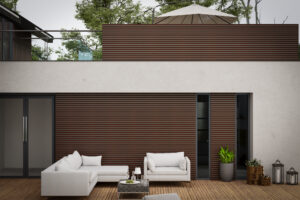
Why Has Fluted Panel Become a New Favorite in the Design World?
In today’s era where both quality and aesthetics are valued, Fluted Panel has gained immense popularity in both indoor and outdoor design due to its unique aesthetic appeal. However, for
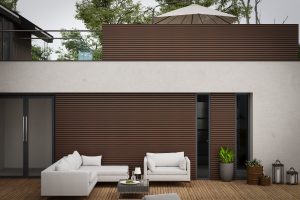
Why More People Are Choosing WPC Wall Panels?
In today’s fast-paced world, many of us yearn for a connection to nature, seeking tranquility and harmony. Our outdoor spaces serve as a vital link to the natural world, making their design and decoration crucial. Let’s explore a cutting-edge building material that seamlessly blends modern technology with natural beauty: WPC wall panels. Discover how this innovative material can transform your outdoor lifestyle.